
Franz Liszt and Marie d’Agoult. Two years of love, from which the Years of Pilgrimage was born
Sunny Italy became home to two lovers – Franz Liszt and Marie d’Agoult – between 1837 and 1839. Rome, Florence, Venice, Naples, Milan – it was in all these places that Liszt found inspiration during that time for the second volume of his piano cycle Years of Pilgrimage. Whilst the final part Fantasia quasi sonata “Après une lecture du Dante” was loosely inspired by The Divine Comedy, the opening two movements draw on the art of Raffael Santi and Michelangelo Buonarroti.
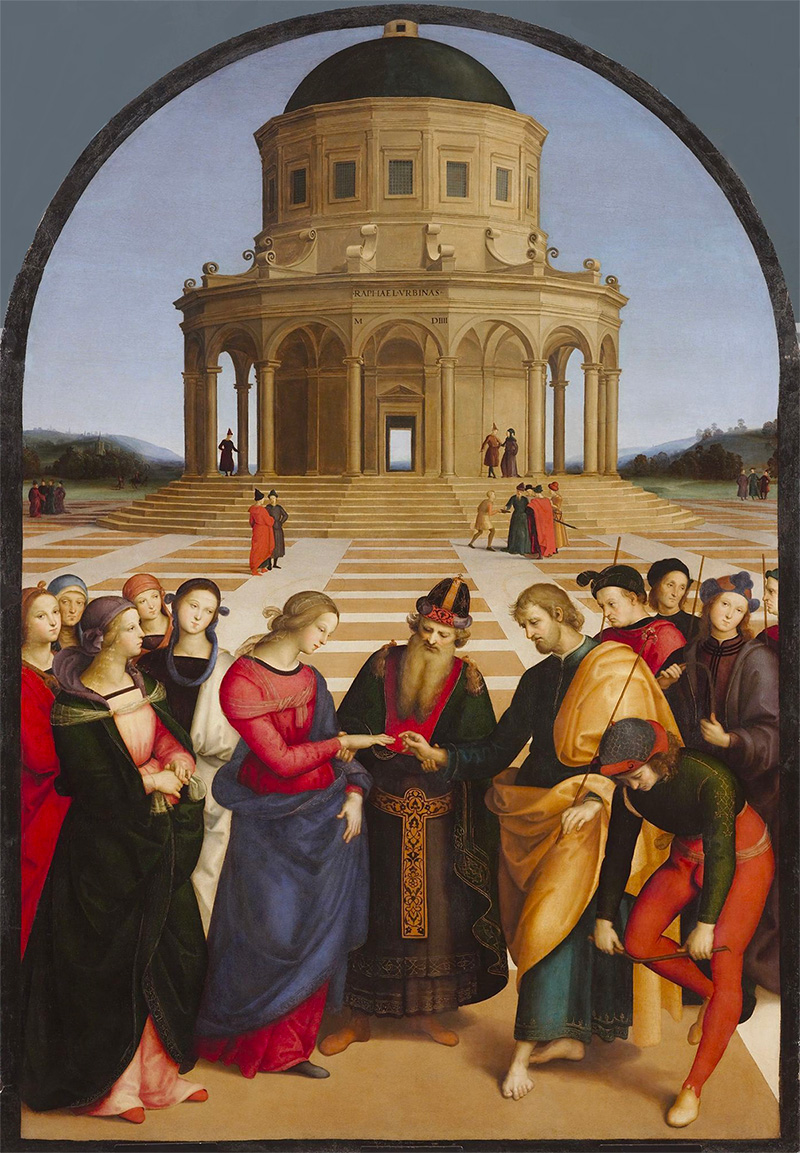
The mood of the first movement, Sposalizio (The Wedding), was inspired by the soft light in Raffael Santi’s painting The Marriage of the Virgin. All the elements in this painting are arranged in mathematically precise proportions to one another, organised according to a clear hierarchy, and with such precision that experts speculate as to the existence of a wooden model.
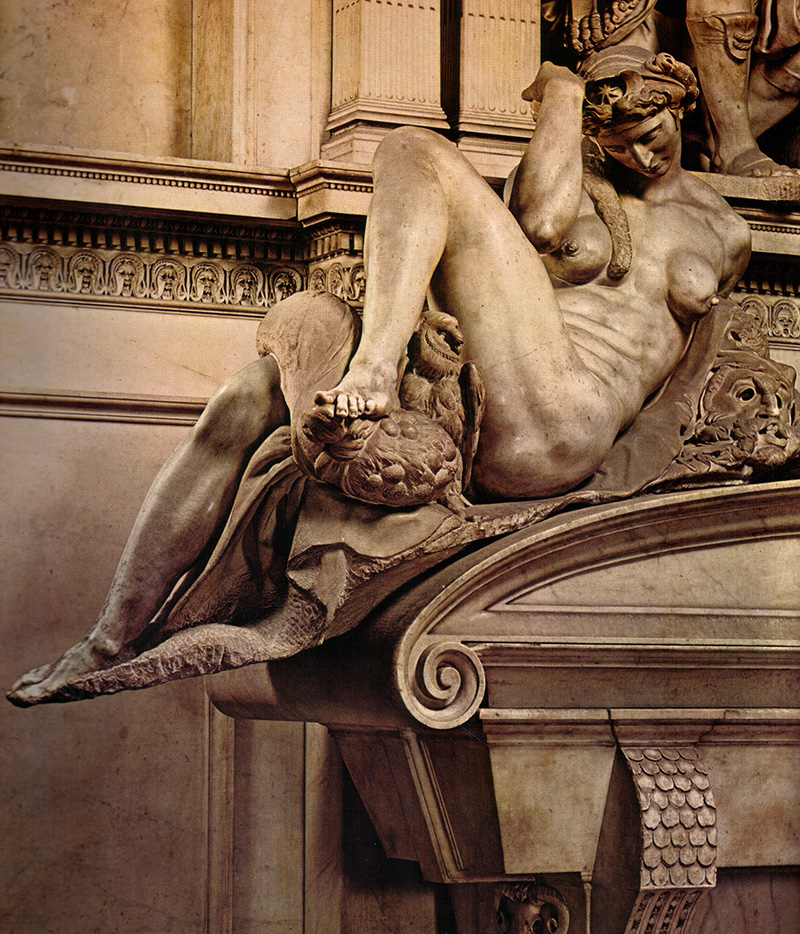
The second part, Il Penseroso (The Thinker), is inspired by Michelangelo Buonarroti’s sculpture La Notte (The Night), which adorns the Medici tomb in the Church of San Lorenzo in Florence. The statue that looks as if it is sleeping, gained fame not only for its beauty but also thanks to an ode by the Florentine nobleman Giovanbattista Strozzi (1504–1571), in which he urges it to awaken:
Night in so sweet an attitude beheld
Asleep, was by an angel sculptured
In this stone; and sleeping, is alive;
Waken her, doubter; she will speak to thee.
Michelangelo accepted this “literary challenge” and replied to Strozzi in verse as well:
Sweet is my sleep, but more to be mere stone,
So long as ruin and dishonour reign;
To bear nought, to feel nought, is my great gain;
Then wake me not, speak in an undertone!
Don’t miss the captivating Years of Pilgrimage, performed by the outstanding young Austrian pianist Lukas Sternath! 5 November at the Rudolfinum.