
Levit & Capuçon & Hagen
Piano trios by Beethoven and Brahms in a first-rate performance by Igor Levit, Renaud Capuçon and Julia Hagen, plus a Beethoven pass featuring a whole range of experiences on top of that!
Programme
- Ludwig van Beethoven: 10 Variations on “Ich bin der Schneider Kakadu” Op. 121a
- Ludwig van Beethoven: Klavírní trio č. 1 D dur op. 70
- Johannes Brahms: Piano Trio No. 1 in B major Op. 8
Performers
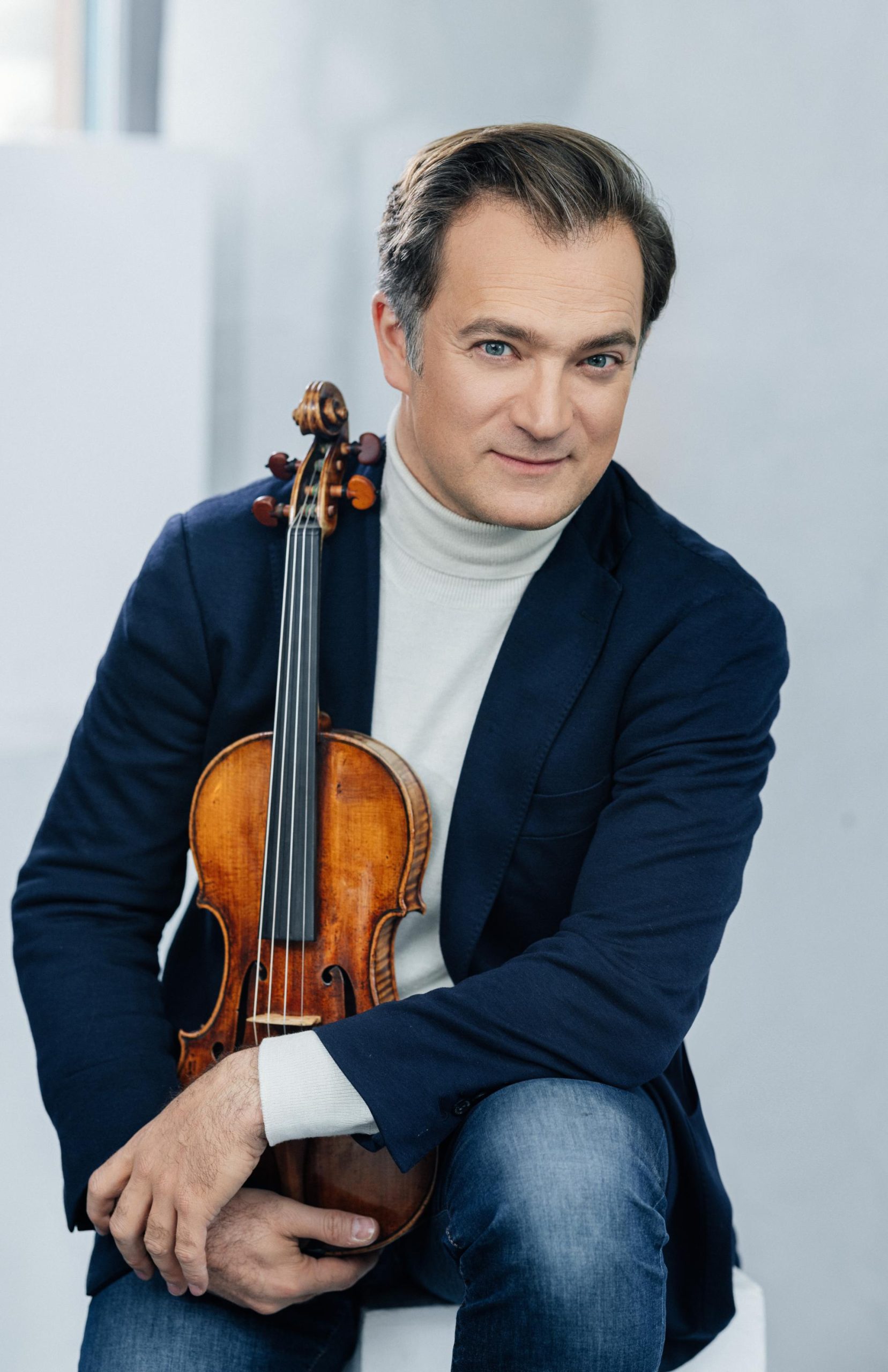
- Renaud Capuçon – violin
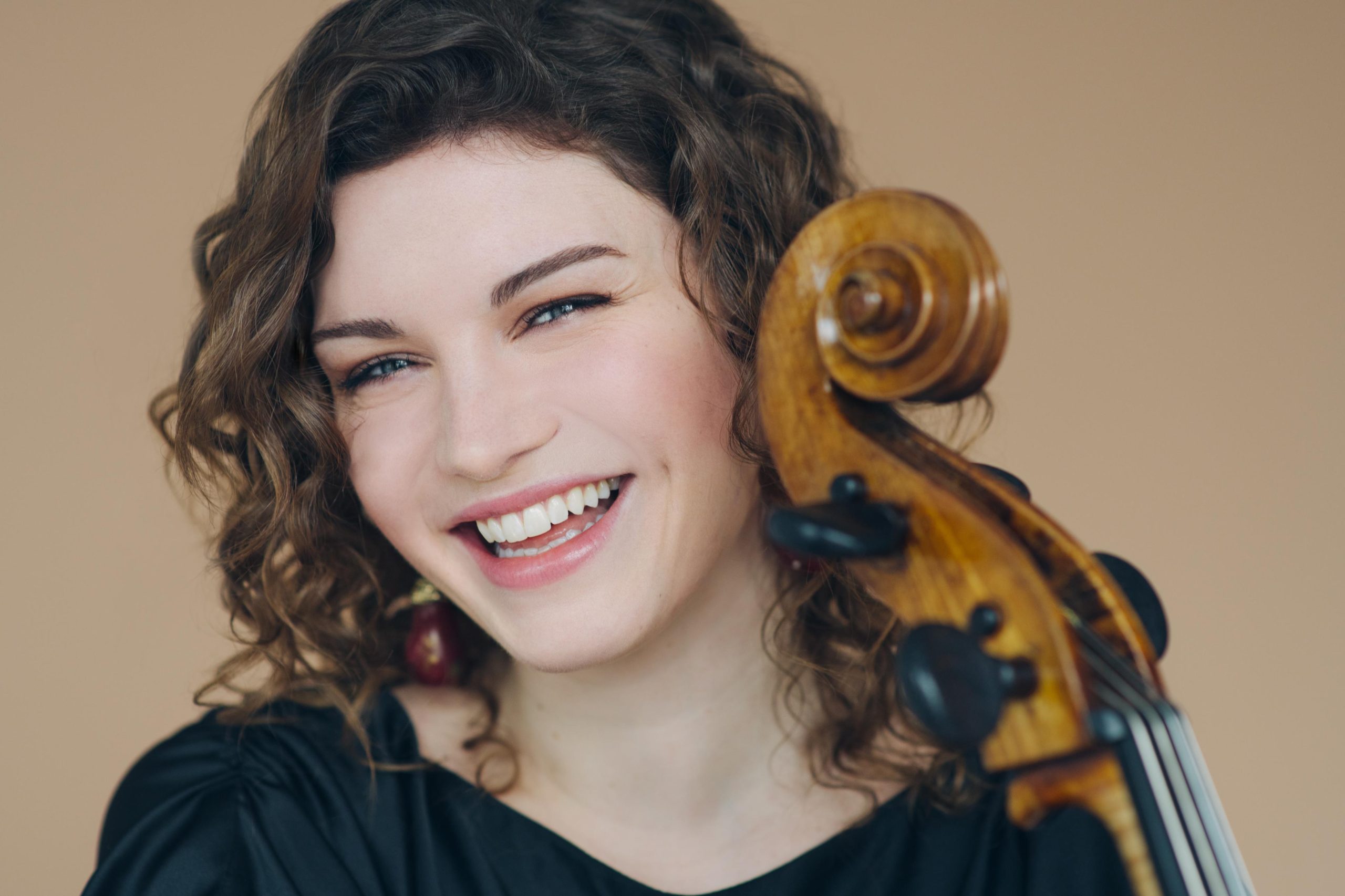
- Julia Hagen – violoncello
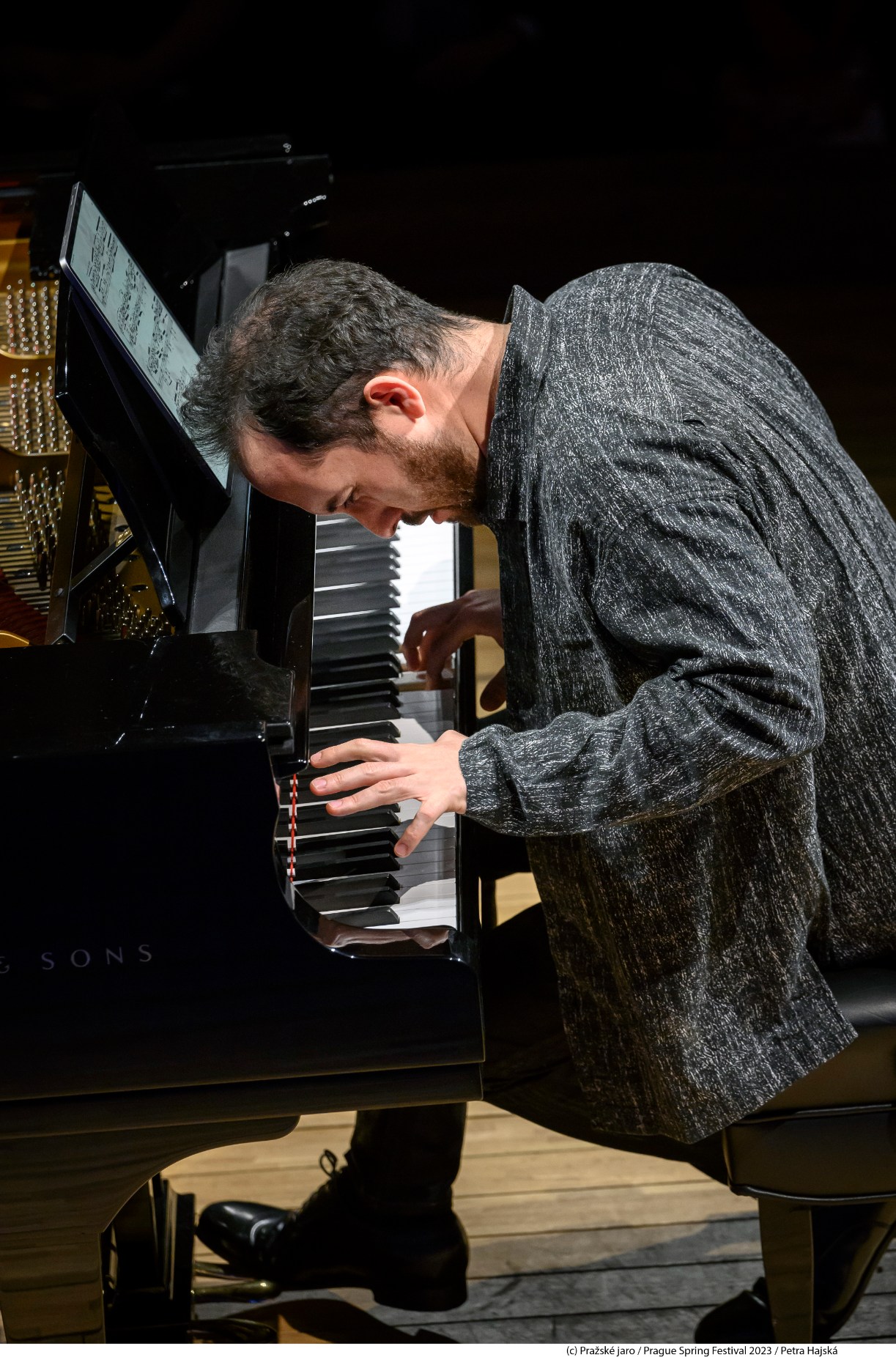
- Igor Levit – piano
#MeetBeethovenLive
1816 | 10 Variations on “Ich bin der Schneider Kakadu”
Ich bin der Schneider Kakadu! Well, I remember these variations extremely well, because I spent thirty years in their company. It is not that I contemplated them all that length of time, but they kept coming back into my life. I first saw the Singspiel Die Schwestern von Prag (The Sisters of Prague) by Bohemian native Wenzel Müller in Vienna in 1794. But whether or not the tailor resembled a parrot, this I cannot remember!
Variations on popular opera tunes were exceedingly fashionable at that time, so why not derive benefit from the demands of a frivolous Viennese society? I rewrote the piece around the year 1815 and made my last revisions in 1824 during my work on Missa solemnis and the Ninth. An eloquent example of my desire for perfection!
1808 | Piano Trio in D major Op. 70 No. 1 “Ghost”
Whenever I hear this trio, memories of Countess Anna Maria Erdődy come flooding back to me. She was so fragile! And she listened so attentively when I improvised at her salons! I called her Beichtvater (“father confessor”). It is rarely discussed, but it was she who helped to secure me a lifelong annuity and she was moreover a sensitive negotiator in this matter. In 1808 she offered me refuge in her villa on Krugerstrasse in Vienna. I might add in passing that Josef Haydn and Constanze Mozart also rented an apartment at this same address – each separately, of course! It is a pity about that little disagreement, which meant we did not part on entirely good terms. My Geister-Trio from 1808 is dedicated to her. I had originally intended to use the main theme of the slow movement as the witches’ motif in my planned opera Macbeth. This plan came to nothing, however, and so I made use of it here and the name “Ghost” has been associated with the trio ever since!
Beethoven’s successor Johannes Brahms
The choice of a piece by Johannes Brahms (1833–1897) for the second half of the concert is not coincidental. Brahms took Beethoven’s musical legacy very seriously and, like him, was a merciless critic of his own works: he also destroyed many of his sketches and even finished works which he did not deem worthy. According to Brahms’s biographer Max Kalbeck, the composer once uttered: “You do not know what it is like hearing his footsteps constantly behind one.” In his famous article Neue Bahnen (New Paths), published in 1853, Robert Schumann was quick to name young Brahms as Beethoven’s successor, a “prophecy” that essentially came true with Brahms’s First Symphony, a work sometimes referred to as Beethoven’s Tenth. The original version of Piano Trio in B major dates from 1853. At the Prague Spring you will hear the revised version produced in 1889, when Brahms made some relatively comprehensive changes. However, with his innate sense of modesty, he wrote the following to his close friend Clara Schumann: “I did not give it a wig, but simply recombed and restyled its hair.” Listeners will certainly appreciate Brahms’s beloved Hungarian influences in the final movement.
Other concerts as part of Igor Levit’s residency
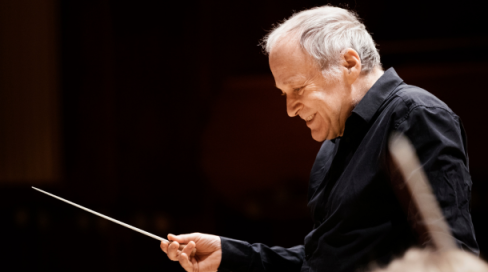
Levit & Fischer & Czech Philharmonic
Ádám Fischer’s triple debut, in which the temperament of works by Ludwig van Beethoven encounters the elegant music of Joseph Haydn. Together with your ticket you will also receive a Beethoven pass featuring a range of experiences.

Igor Levit’s Nocturne
The phenomenal Igor Levit and his late-night rendezvous featuring the music of Brahms and Morton Feldman, inspired by Near and Middle Eastern rugs and the ruins of the ancient Palace of Mari.

Levit – Beethoven Sonatas
A selection from Ludwig van Beethoven’s 32 piano sonatas, for whose recording Igor Levit was nominated for a Grammy Award. The famous Tempest, the thrilling Waldstein Sonata and a Beethoven pass on top of that!