Levit & Fischer & Czech Philharmonic
Ádám Fischer’s triple debut, in which the temperament of works by Ludwig van Beethoven encounters the elegant music of Joseph Haydn. Together with your ticket you will also receive a Beethoven pass featuring a range of experiences.
Programme
- Ludwig van Beethoven: Egmont, předehra ke Goethově tragedii op. 84
- Ludwig van Beethoven: Piano Concerto No. 3 in C minor Op. 37
- Joseph Haydn: Mass in D minor Hob.XXII:11 “Nelsonmesse”
Performers
- Czech Philharmonic
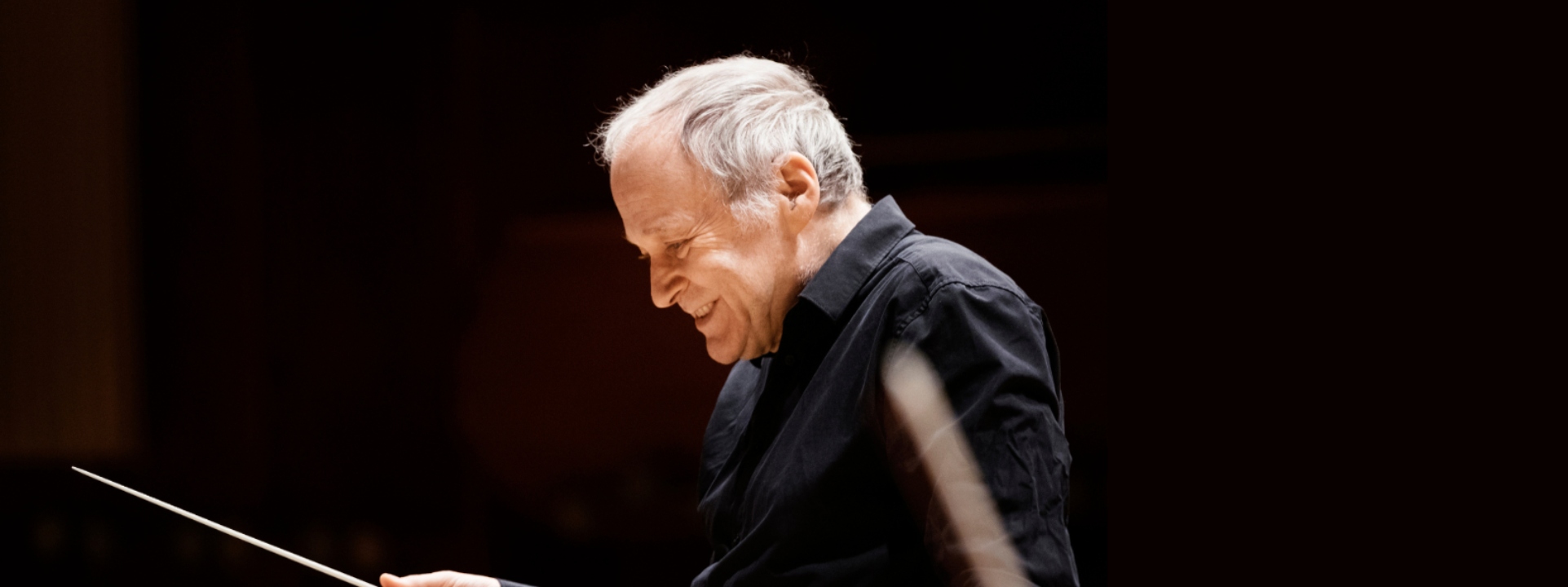
- Ádám Fischer – conductor
- SILENTIUM! ensemble
- Tereza Válková – choirmistress
- Igor Levit – piano
#MeetBeethovenLive
1810 | Egmont
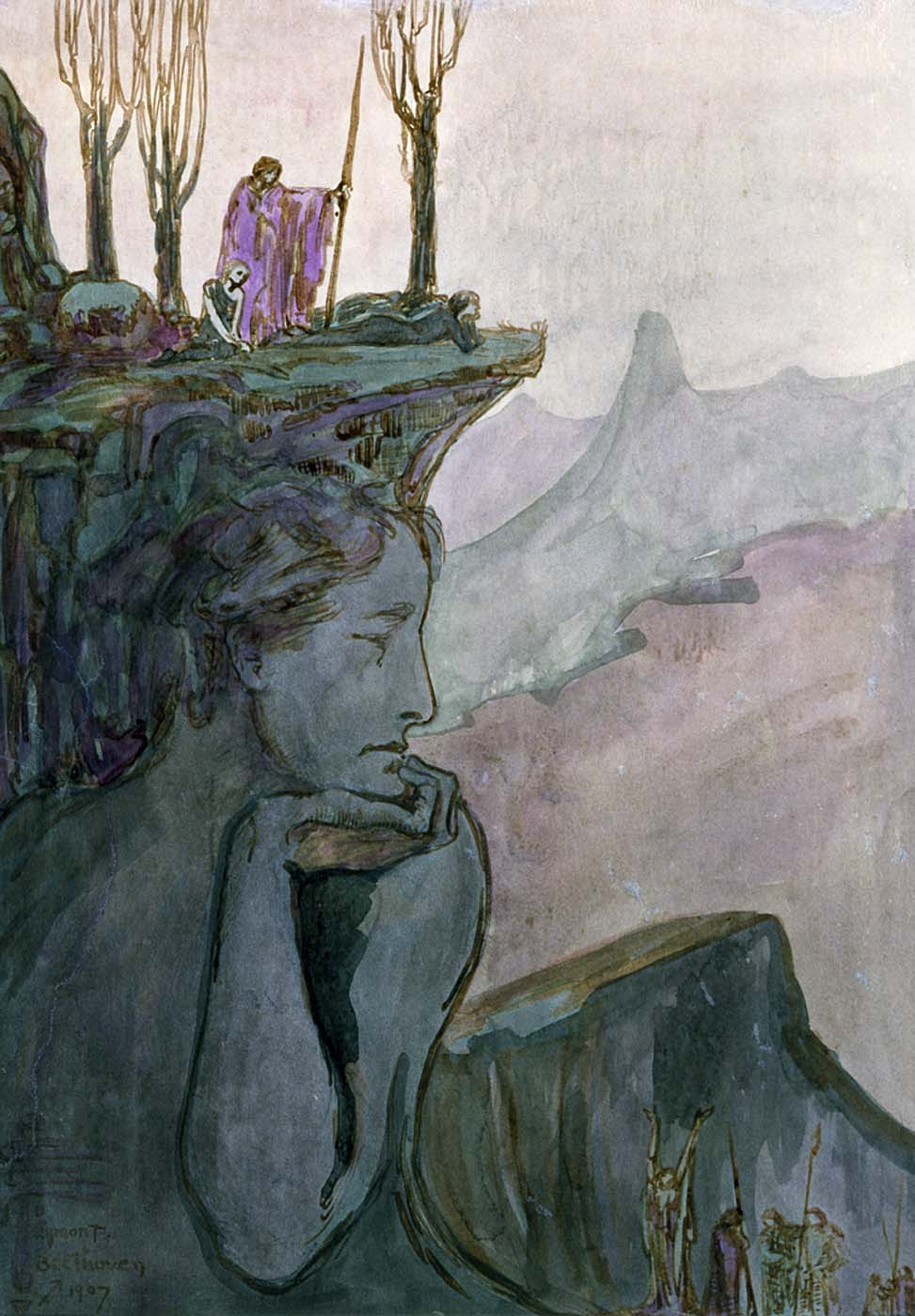
I was greatly occupied with my revisions for Fidelio, but when I received an offer to create the incidental music for Egmont in 1809 I did not hesitate for a second. Goethe’s language always set me in the right mood and incited me to write. Moreover, I was profoundly moved by Egmont’s story, all the more so given that it takes place in Flanders – the land of my forebears. In the overture I outlined the main points in the plot. It begins with the indictment by the Spanish judges in the low strings, with Klärchen’s tender plea for mercy for her beloved heard above them – first in the oboe and bassoon, then in the flutes and clarinets. Egmont’s heroism in the final moments before his death is expressed in the closing deafening fortissimo. Heroism as a call to fight against oppression and tyranny.
1803 | Piano Concerto No. 3
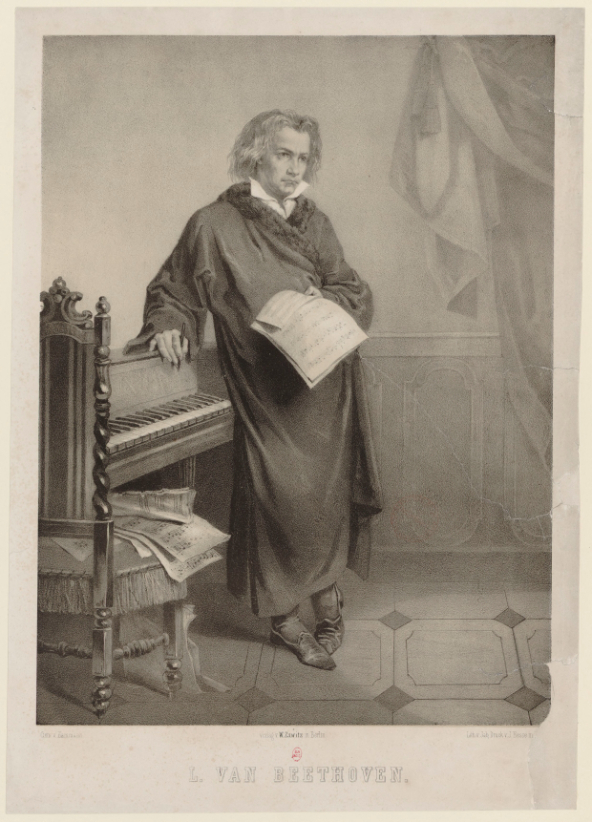
I have fond memories of the premiere of my third piano concerto, held at the Theater an der Wien on the 5th of April, 1803. We only had a single rehearsal for the entire programme and, moreover, the best of Vienna’s musicians had been hired by the competition who decided to present Haydn’s Creation that same evening. We began at eight in the morning and by half past two in the afternoon everyone was so exhausted that Prince Lichnowsky promptly sent for large baskets of bread, smoked meats and wine and invited all the musicians to the table. They ate their fill and the creative and friendly atmosphere was immediately restored! The theatre’s new music director Ignaz von Seyfried agreed to be my page-turner at the concert. (He chuckles.) But it might be better if he described the event himself. “I saw empty pages with here and there what looked like Egyptian hieroglyphs. Beethoven played most of the piano part from memory, and whenever he reached the end of some invisible passage, he gave me a surreptitious nod and I turned the page. My anxiety not to miss such a nod amused him greatly and the recollection of it at our convivial dinner after the concert sent him into gales of laughter.” There you have it. And they say I was a grouch and not predisposed to merriment!
Interesting facts
- The Egmont overture became the unofficial anthem of the Hungarian Revolution of 1956.
- Several of the sketches for the Third Piano Concerto probably appeared as early as 1796 during Beethoven’s first visit to Prague.
Mass in honour of Admiral Nelson
While Beethoven embraced the ideas of the French Revolution spreading like an avalanche across Europe, his teacher Haydn viewed them with distrust. In 1798 the political and financial instability of the Habsburg monarchy filled him with similar concerns. This is also why he initially gave his new work – Mass in D minor – the title Missa in angustiis (Mass for Troubled Times). The work was a commission for Prince Nikolaus II, the grandson of Nikolaus I, “the Magnificent”, Haydn’s benefactor of many years from the house of Esterházy. The subtitle Nelson Mass arose spontaneously out of Haydn’s great regard for the British Admiral Horatio Nelson who, at the beginning of August 1798, when the composer was working on his Mass in D minor, defeated Napoleon’s fleet at Aboukir Bay (Battle of the Nile). Among Haydn’s thirteen masses, the Mass in D minor, together with The Creation and The Seasons, represents the culmination of his vocal-instrumental oeuvre. It will be a rewarding experience to hear this work performed by one of the greatest authorities on Haydn’s music, the founder of the Austrian-Hungarian Haydn Philharmonic and the Haydn Festival in Eisenstadt, Hungarian conductor Ádám Fischer. For his lifetime contribution to classical music, which reflects his many projects with such institutions as the Bayreuth and Salzburg festivals, the Metropolitan Opera in New York, Milan’s Teatro alla Scala and the Berlin and Vienna Philharmonics, Ádám Fischer received the coveted International Classical Music Award in 2022.

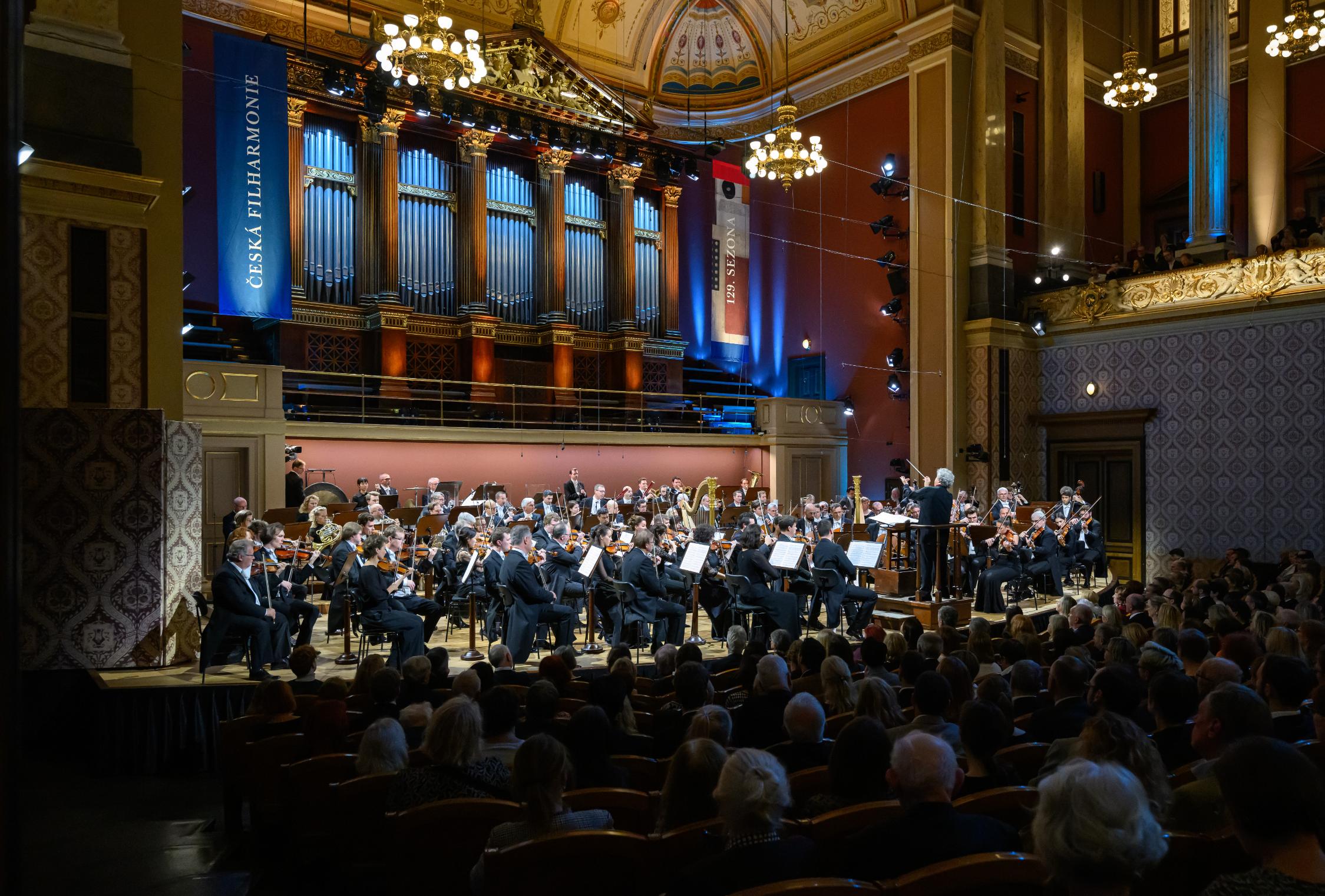
Citizen. European. Pianist.
Levit holds concerts for refugees, he is involved in environmental issues and he speaks out against anti-Semitism and xenophobia. In 2018 he returned his ECHO Klassik award in protest against the decision to award a prize to rappers Kollegah and Farid Bang, whose album contained anti-Semitic texts. In 2019, the year neo-Nazi Stephan Balliet attacked a synagogue in Halle, Levit won the International Beethoven Prize and took the opportunity during the prize-giving ceremony to take a stand against far-right extremism. He then had to face death threats himself and appeared in concert under armed police protection. “I don’t want to be just the man who plays the keys,” he stated in an interview. He doesn’t have a driving licence, he rides a bike and he loves printed newspapers and magazines. When he was asked which songs he thought characterised the kind of person he is, he answered: Blackstar by David Bowie, Treaty by Leonard Cohen, and Eminem’s The Way I Am. The latter contains the lyrics “That’s all I can be, it’s just me.” Levit is simply his own man, a fact he demonstrates in every performance. His unique approach to music and his endless desire to discover new things are almost contagious. “If I see a door which is closed or even slightly open, I want to go, I want to walk through that door, I don’t want to stay where I am. […] I don’t think within limits, I think in processes.”
Levit and Ludwig van Beethoven
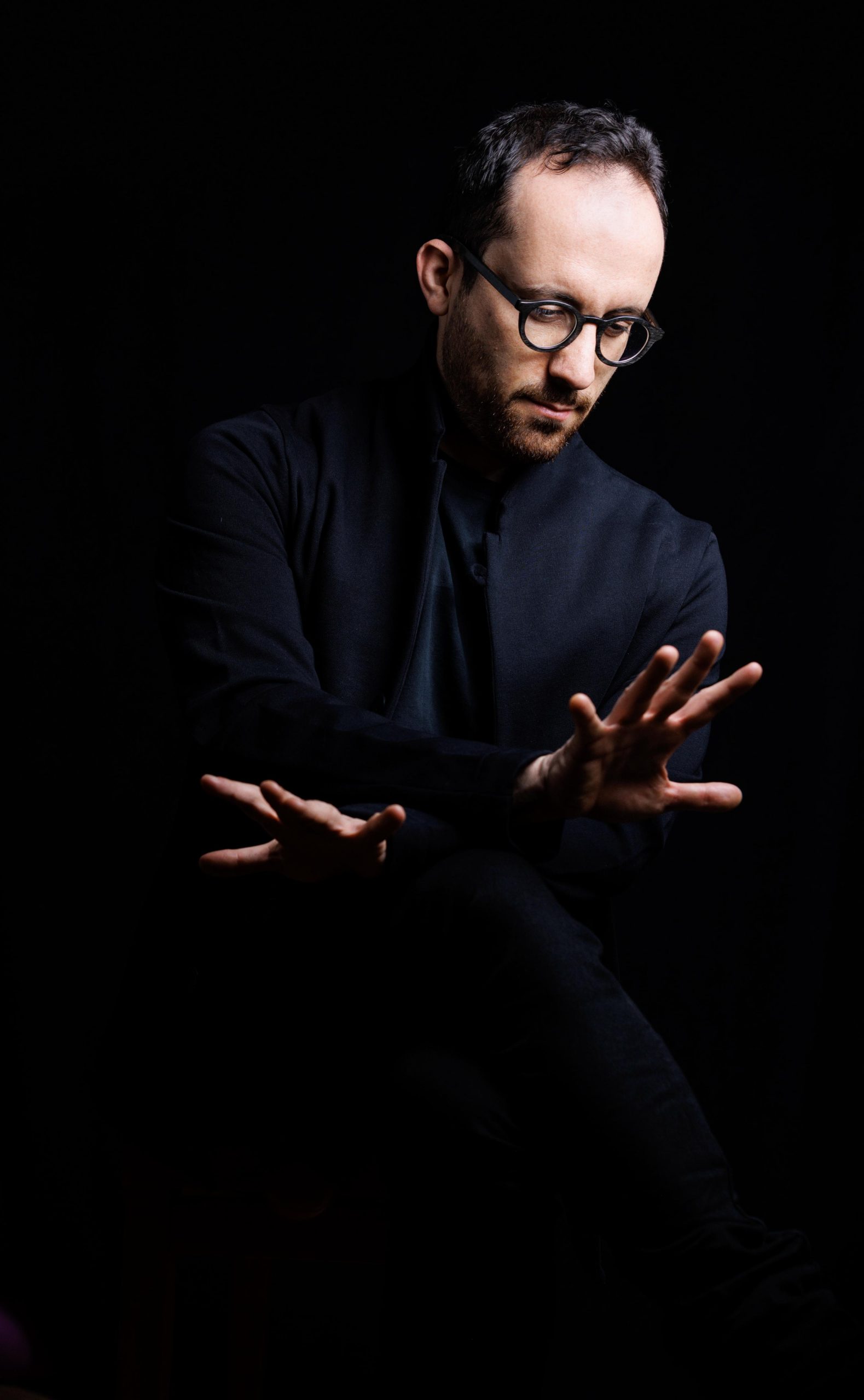
The pianist fell in love with the music of Ludwig van Beethoven (1770–1827) after hearing Missa solemnis as a teenager and, as a performer, he has been involved in the composer’s life and works for more than twenty years. In 2019 he released a recording with Sony Classical of all of Beethoven’s thirty-two piano sonatas, which earned him a Grammy nomination. He subsequently presented the cycle at the Salzburg Festival and at the Elbphilharmonie. In the upcoming two concert seasons he is planning to perform it in New York (Carnegie Hall), London, Vienna (Musikverein), Berlin, Munich, Hamburg and North Rhine-Westphalia. “In a weird way, Beethoven’s music is my safe zone. It’s music which gives me and also the audience the feeling of participation. At some point, you get this feeling that ʽthis is about meʼ,” says Levit. The Prague Spring 2027 will give audiences the opportunity to acquaint themselves with Levit’s exceptional interpretation of Beethoven’s music in a solo recital, at a chamber music evening in a trio with Julia Hagen and Renaud Capuçon, and with the Czech Philharmonic under conductor Ádám Fischer. Those who like soft, tranquil, meditative music will be able to hear his performance of the remarkable piece Palais de Mari by American composer Morton Feldman (1926–1987), inspired by the imperfect symmetry of the ruins of the ancient Babylonian Palace of Mari.
Other concerts as part of Igor Levit’s residency
Levit & Capuçon & Hagen
Piano trios by Beethoven and Brahms in a first-rate performance by Igor Levit, Renaud Capuçon and Julia Hagen, plus a Beethoven pass featuring a whole range of experiences on top of that!
Igor Levit’s Nocturne
The phenomenal Igor Levit and his late-night rendezvous featuring the music of Brahms and Morton Feldman, inspired by Near and Middle Eastern rugs and the ruins of the ancient Palace of Mari.

Levit – Beethoven Sonatas
A selection from Ludwig van Beethoven’s 32 piano sonatas, for whose recording Igor Levit was nominated for a Grammy Award. The famous Tempest, the thrilling Waldstein Sonata and a Beethoven pass on top of that!