
Levit – Beethoven Sonatas
A selection from Ludwig van Beethoven’s 32 piano sonatas, for whose recording Igor Levit was nominated for a Grammy Award. The famous Tempest, the thrilling Waldstein Sonata and a Beethoven pass on top of that!
Programme
- Ludwig van Beethoven: Sonáta pro klavír č. 1 f moll op. 2/1
- Ludwig van Beethoven: Sonáta pro klavír č. 17 d moll op. 31/2 "Bouře"
- Ludwig van Beethoven : Sonata No. 25 in G major Op. 79 “Cuckoo”
- Ludwig van Beethoven: Sonáta pro klavír č. 21 C dur op. 53 "Valdštejnská"
Performers
- Igor Levit – piano
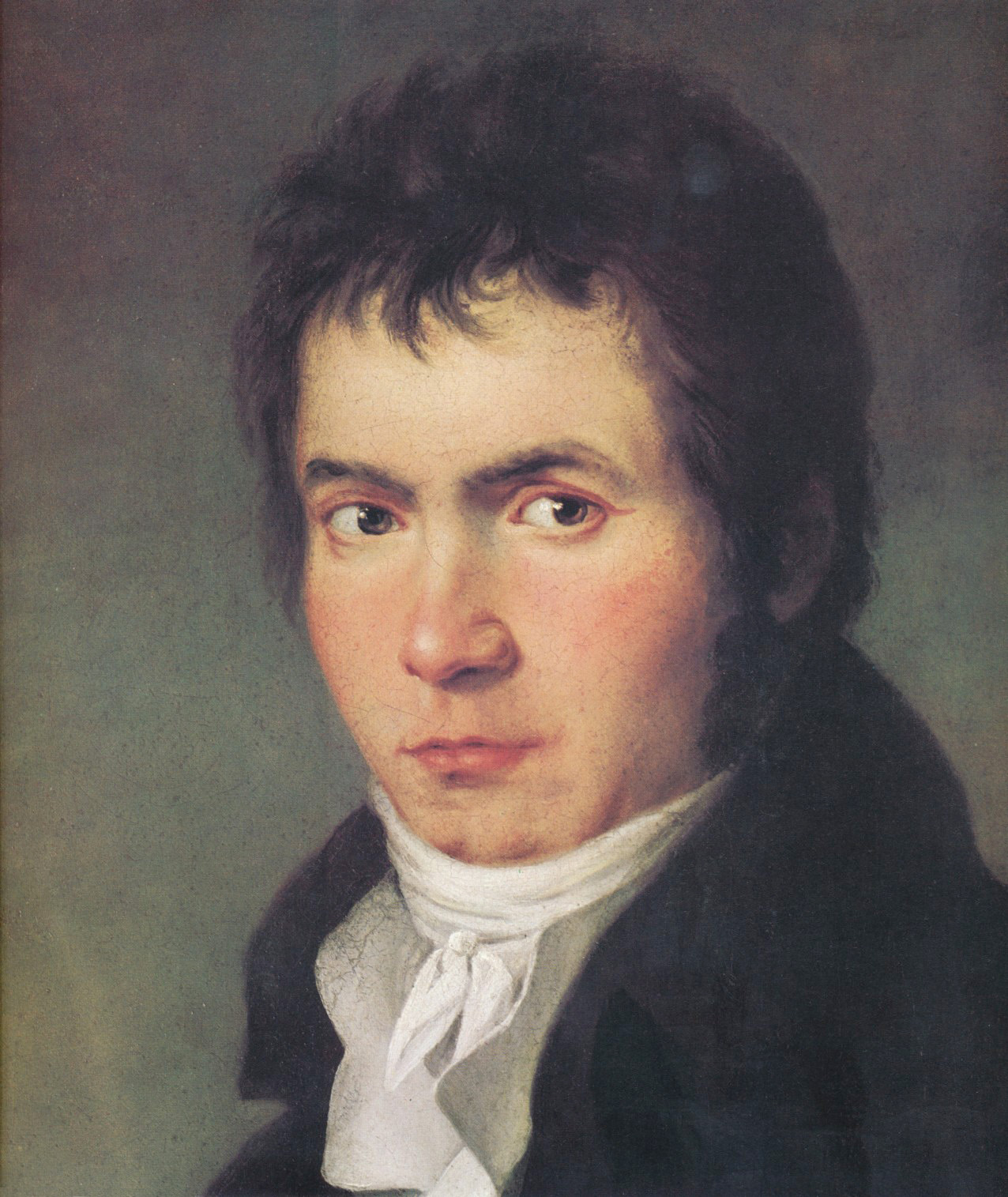
The piano was my life, my friend, with whom I shared a passionate and tender relationship, through whose mouth I communicated with the world. The thirty-two sonatas I wrote for this instrument say much about my life. Through them I declared my love, I found relief from fear and despair, and I reflected on the meaning of existence.
1796 | Sonata No. 1 in F minor Op. 2 No. 1
The first three sonatas published as opus two in 1796 I dedicated to my teacher Haydn. If I am honest, it was more out of politeness; he did not teach me all that much, moreover, during our lessons he drank chocolate, which I found extremely disagreeable. Sonata No. 1 in F minor is filled with the kind of passion I later injected into my Appassionata. That is why it is also known as the Little Appassionata.
“With this sonata, Beethoven comes out and says: ʽICH bin da!ʼ (I am here!), and the word ʽICHʼ is in capital letters with six exclamation marks.” (Igor Levit)
1802 | Sonata No. 17 in D minor Op. 31 No. 2 “Tempest”
I finished the Tempest in 1802. It got its name from the Shakespeare play, since I had apparently declared to my secretary Anton Schindler that he would understand my sonata if he read The Tempest. Admittedly, I did not remember any of that later, but it is a good title. It is passionate music! Even now I shiver when I think about it. Serenity alternates with turmoil, reconciliation with struggle. It is an augury of my Third and Fifth Symphonies.
“One of the most tragic and most brutal of Beethoven’s sonatas.” (Igor Levit)
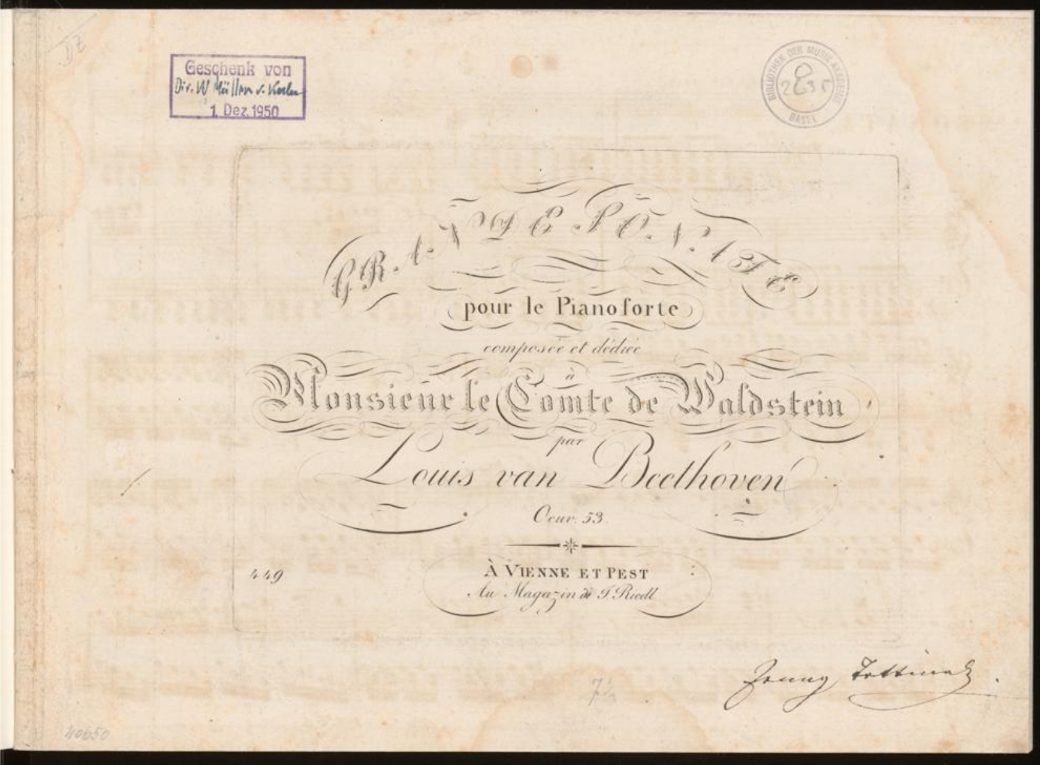
1804 | Sonata No. 21 in C major Op. 53 “Waldstein”
In 1803 I acquired a new piano from the firm Érard, which opened up whole new worlds of sound. Just imagine the incredible possibilities of the more robust English mechanism, and foot pedals instead of knee levers! In the final Rondo I went completely mad and wrote in a great many trills, fast runs and octave glissandos. “The first and last movements are among the most brilliant and most original pieces, for which we are grateful to this master, but they are also full of strange whims and are very difficult to perform,” wrote Allgemeine Musikalische Zeitung after the premiere. Out of intense gratitude I dedicated this sonata to my friend and patron Ferdinand von Waldstein. It was he who recognised my talent, supported me in my move to Vienna, introduced me to Haydn and helped me to break into Vienna’s high society. I am indeed indebted to him for many things.
“Of all the piano works I have ever played, this one is, for me, the greatest gift. If I studied for anything, it was for this sonata.” (Igor Levit)
1809 | Sonata No. 25 in G major Op. 79 “Cuckoo”
Ah, I see that Mr Levit has included my Cuckoo in his programme! Such an invigorating sonata. It is my shortest. The second movement is supposedly reminiscent of lovers singing a duet as they ride in a Venetian gondola in the middle of the night…
“Surprisingly, one of the wittiest and most distinctive sonatas of the entire cycle. A delightful, almost dreamlike piece full of spirit.” (Igor Levit)
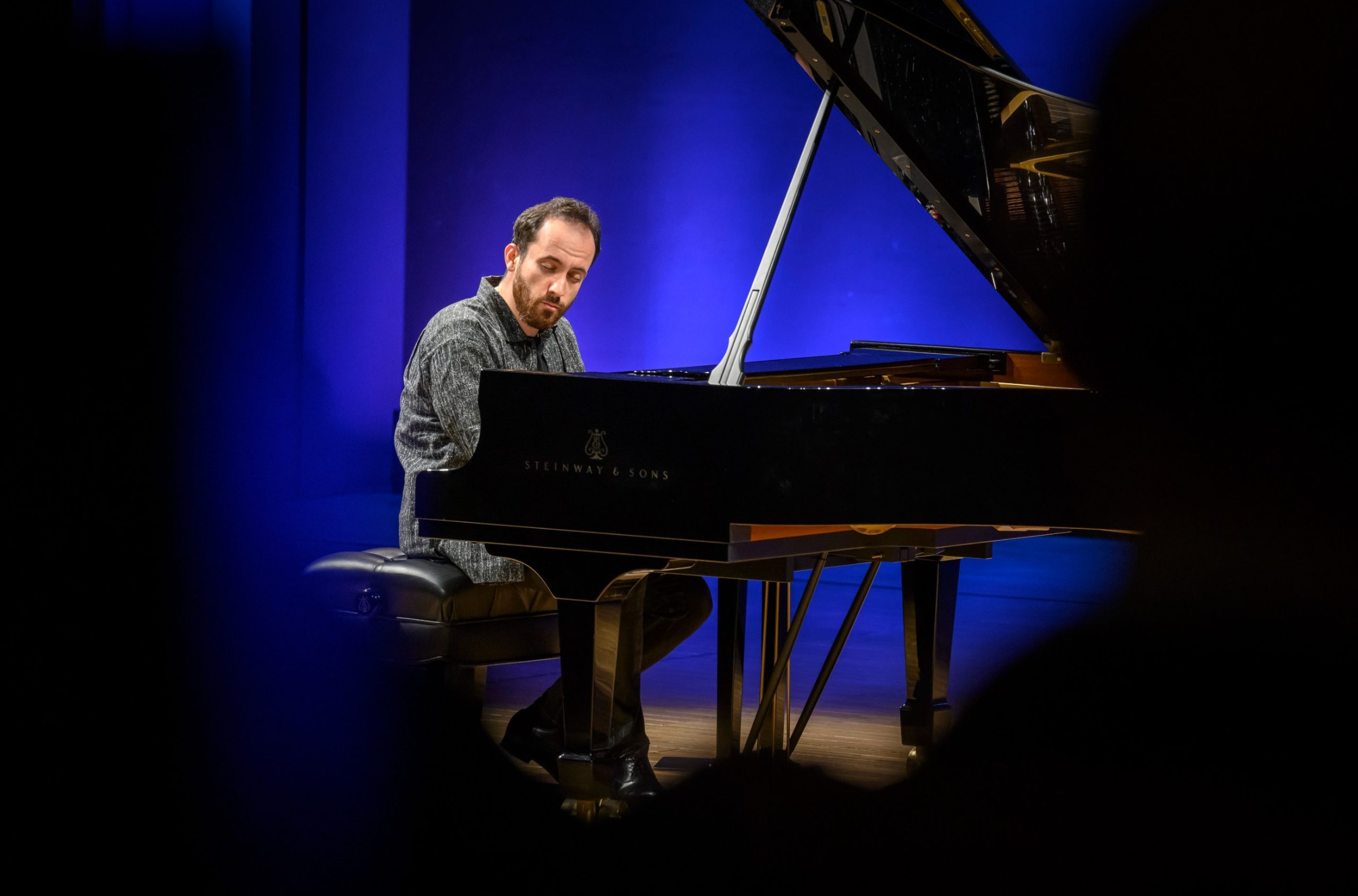
Igor Levit – Prague Spring Artist-in-Residence 2027
The New York Times described him as “one of the essential artists of his generation”, while the Berliner Morgenpost hailed him as a “master of exquisite, poetic sound and delicate cantabile”. Born in Nizhny Novgorod, Levit emigrated to Germany with his family when he was eight. His future career on the world concert stage was firmly established with his success at the Arthur Rubinstein International Piano Competition in 2005 where, as the event’s youngest participant ever, he not only won one of the top prizes, but he also garnered several other awards, including the Audience Prize. He received prestigious awards for his recordings as well: the Opus Klassik, Gramophone magazine’s “Artist of the Year” title, “Recording Artist of the Year” from Musical America and “Recording of the Year” from BBC Music Magazine.
At the age of thirty-three he further cemented his world prominence when he performed his “home” recitals, streamed live during the Coronavirus lockdown. The very first concert attracted 350,000 listeners, who were joined – over the course of fifty-three recitals – by hundreds of thousands of fans from all over the world. In addition to classical music Levit also served up soul, jazz, rock, Erik Satie’s 20-hour-long Vexations and the music of American avant-gardist Morton Feldman. The series became so popular that one of the recitals was even broadcast from Bellevue Palace, the official residence of the German president. For this expression of civic engagement, along with his commitment in the fight against anti-Semitism, Levit was awarded the Order of Merit of the Federal Republic of Germany in the autumn of 2020.
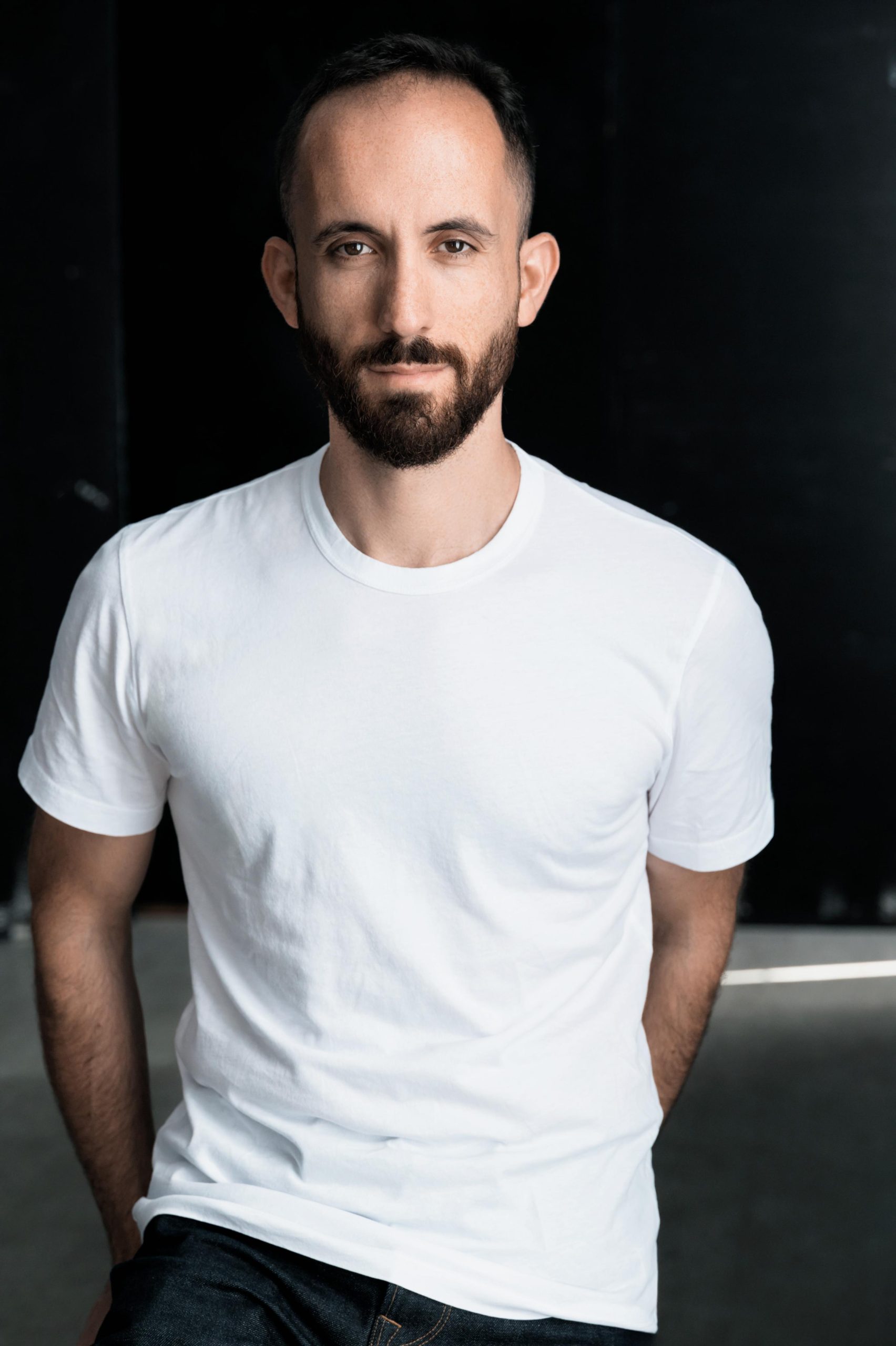
Citizen. European. Pianist.
Levit holds concerts for refugees, he is involved in environmental issues and he speaks out against anti-Semitism and xenophobia. In 2018 he returned his ECHO Klassik award in protest against the decision to award a prize to rappers Kollegah and Farid Bang, whose album contained anti-Semitic texts. In 2019, the year neo-Nazi Stephan Balliet attacked a synagogue in Halle, Levit won the International Beethoven Prize and took the opportunity during the prize-giving ceremony to take a stand against far-right extremism. He then had to face death threats himself and appeared in concert under armed police protection. “I don’t want to be just the man who plays the keys,” he stated in an interview. He doesn’t have a driving licence, he rides a bike and he loves printed newspapers and magazines. When he was asked which songs he thought characterised the kind of person he is, he answered: Blackstar by David Bowie, Treaty by Leonard Cohen, and Eminem’s The Way I Am. The latter contains the lyrics “That’s all I can be, it’s just me.” Levit is simply his own man, a fact he demonstrates in every performance. His unique approach to music and his endless desire to discover new things are almost contagious. “If I see a door which is closed or even slightly open, I want to go, I want to walk through that door, I don’t want to stay where I am. […] I don’t think within limits, I think in processes.”
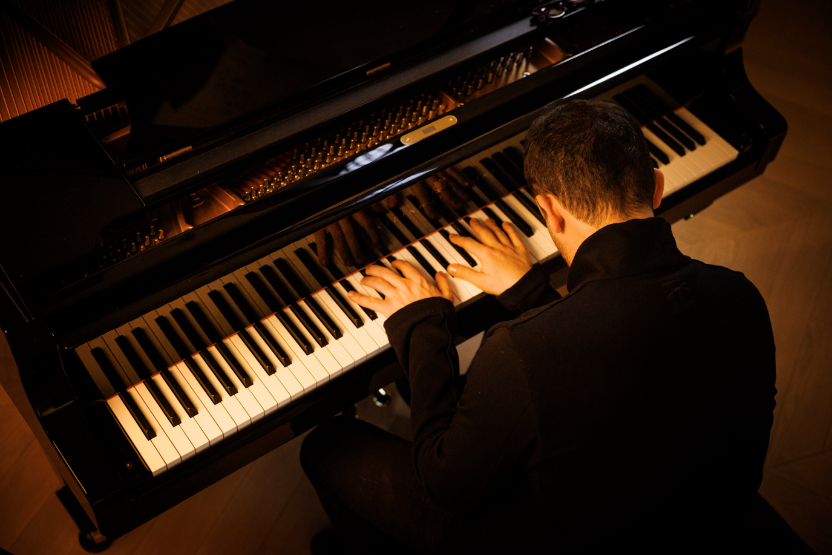
Other concerts as part of Igor Levit’s residency
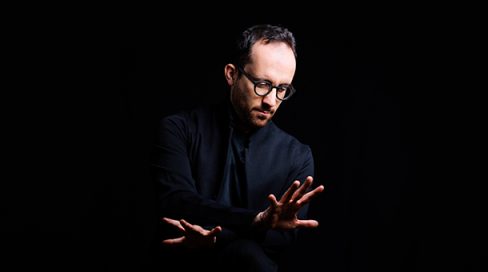
Levit & Capuçon & Hagen
Piano trios by Beethoven and Brahms in a first-rate performance by Igor Levit, Renaud Capuçon and Julia Hagen, plus a Beethoven pass featuring a whole range of experiences on top of that!
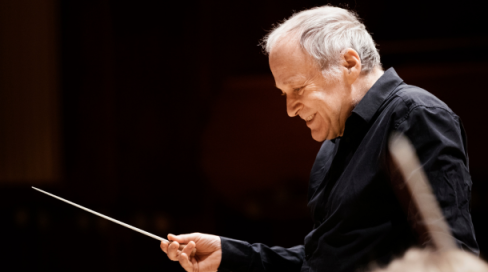
Levit & Fischer & Czech Philharmonic
Ádám Fischer’s triple debut, in which the temperament of works by Ludwig van Beethoven encounters the elegant music of Joseph Haydn. Together with your ticket you will also receive a Beethoven pass featuring a range of experiences.
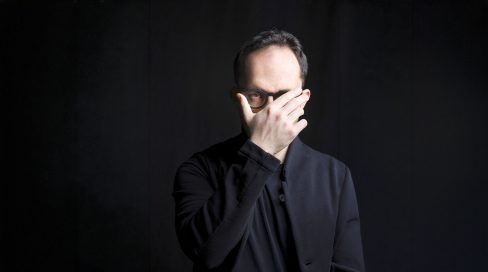
Igor Levit’s Nocturne
The phenomenal Igor Levit and his late-night rendezvous featuring the music of Brahms and Morton Feldman, inspired by Near and Middle Eastern rugs and the ruins of the ancient Palace of Mari.