
Closing Concert
Concert partner

Programme
- Giuseppe Verdi: Messa da Requiem
Performers
- Sächsische Staatskapelle Dresden
- Daniele Gatti – conductor
- Singverein der Gesellschaft der Musikfreunde in Wien
- Johannes Prinz – chorusmaster
- Eleonora Buratto – soprano
- Elīna Garanča – mezzo-soprano
- Benjamin Bernheim – tenor
- Riccardo Zanellato – bass
A compelling work, outstanding orchestra and choir, a top-flight conductor and a quartet of vocal stars: a simple yet accurate summary of the qualities we can expect of the Prague Spring’s Closing Concert 2026. The Smetana Hall in Municipal House will be immersed in the sound of the tremendous Messa da Requiem by Italian composer Giuseppe Verdi. “Verdi is a born theatre composer […] Mourning and supplication, awe and faith – they speak here in language more passionate and individual than we are accustomed to hear in the church” – the opinion expressed after the premiere in 1874 by one of the most influential critics of his day, Eduard Hanslick. And this is indeed the case: Not even here, in a purely sacred work, did Verdi deny his sense of drama and theatre. Taking his place in front of Sächsische Staatskapelle Dresden and Vienna Singverein will be another distinguished bearer of the Italian musical tradition – conductor Daniele Gatti. The evening’s soloists will be soprano Eleonora Buratto, mezzo-soprano Elīna Garanča, tenor Benjamin Bernheim and bass Riccardo Zanellato.
Messa da Requiem by Giuseppe Verdi (1813–1901) justifiably occupies a leading position among musical monuments of the 19th century. One of the most important opera composers in history, Verdi wrote his Requiem Mass in memory of the Italian writer Alessandro Manzoni, whom he had admired his entire life. The premiere, conducted by the composer, was held in San Marco church in Milan on 22 May 1874, exactly one year after Manzoni’s death. The second performance followed three days later in Milan’s Teatro alla Scala. Almost immediately, the work prompted discussions regarding its suitability as a piece destined for the church, and had people wondering whether its author had instilled in the mass an excessively operatic, dramatic character – deliberations which the composer’s wife Giuseppina encapsulated in the following words: “People were constantly debating whether this sacred music was more or less religious in character, whether it followed the traditional ideas of Mozart and Cherubini. I say that a man like Verdi must compose like Verdi, in other words, according to his feelings and his own view of the texts.” Whatever the case, with his Requiem, Verdi left us with a profoundly dramatic, passionate and, at the same time, precisely written composition which stands out for its unusual refinement of form and sensitivity towards the Latin sacred text. And if in the Dies irae concert halls are shaken to their foundations beneath the mighty sound of the trumpet heralding the wrath of God, then the joyful Sanctus or the enchanting Agnus Dei and Lux aeterna will transport the listener to Heaven itself.
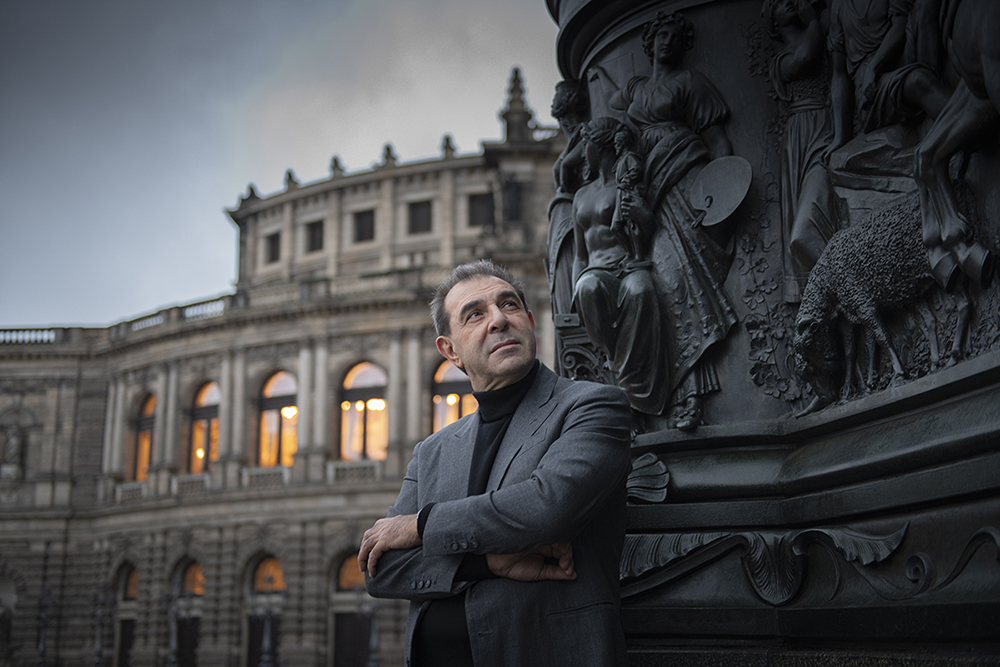
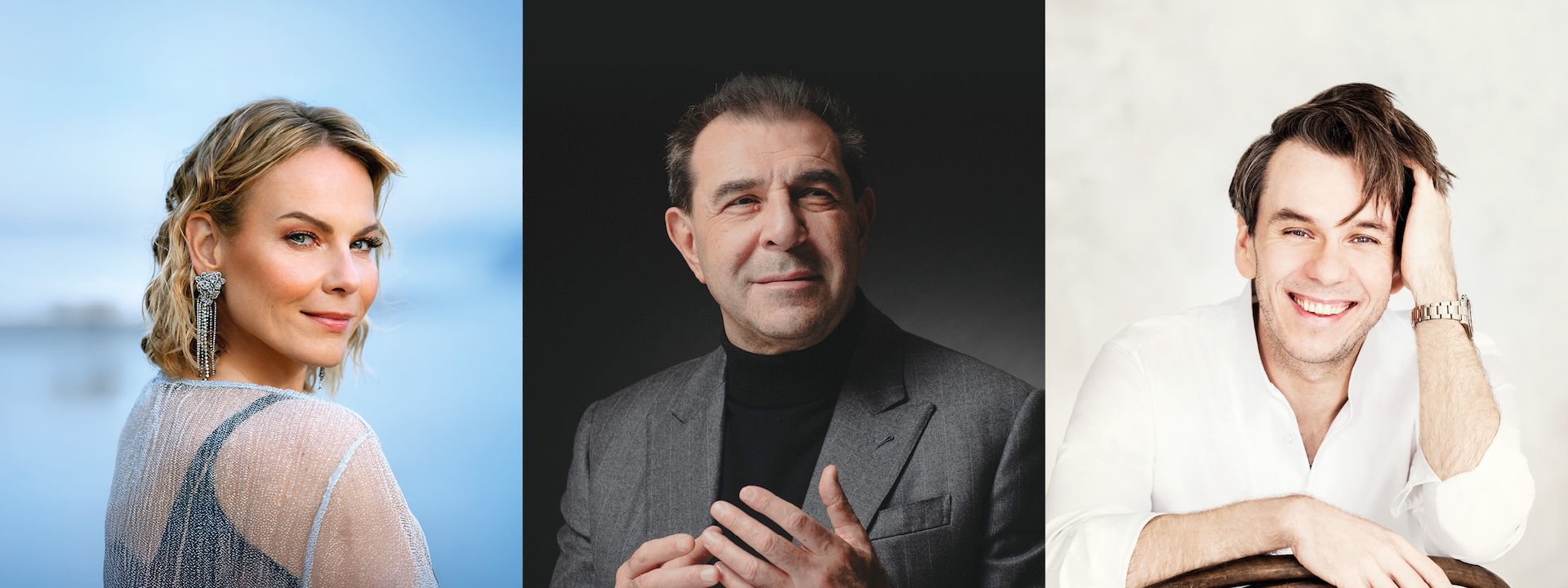
Daniele Gatti has held the position of Principal Conductor of Sächsische Staatskapelle Dresden since the 2024–2025 season. He gave his debut with the orchestra in 2000 on the invitation of the then Principal Conductor Giuseppe Sinopoli and regularly returned to Dresden in the years that followed. Apart from his post in the Saxon capital, he is also Music Director Designate of Teatro del Maggio Musicale Fiorentino in Florence, Music Director of Orchestra Mozart in Bologna and, since 2016, Artistic Adviser of the Mahler Chamber Orchestra. A native of Milan who gave his debut at the Teatro alla Scala aged twenty-seven, Gatti studied composition and conducting at Milan’s Conservatorio di Milano “Giuseppe Verdi”. There then followed permanent engagements with Orchestra dell’Accademia Nazionale di Santa Cecilia, the Royal Philharmonic Orchestra in London, the Royal Opera House in Covent Garden and with Teatro Comunale di Bologna. He was also Chief Conductor or Music Director of Orchestre national de France (2008–2016), the Zurich Opera (2009–2012) and Amsterdam’s Royal Concertgebouw Orchestra (2016–2018), and he held the post of Music Director of the Rome Opera House until 2022. He is invited as guest conductor to appear with the world’s finest orchestras, including the Berlin and Vienna Philharmonics and the Bavarian State Orchestra (part of the Bavarian State Opera company).
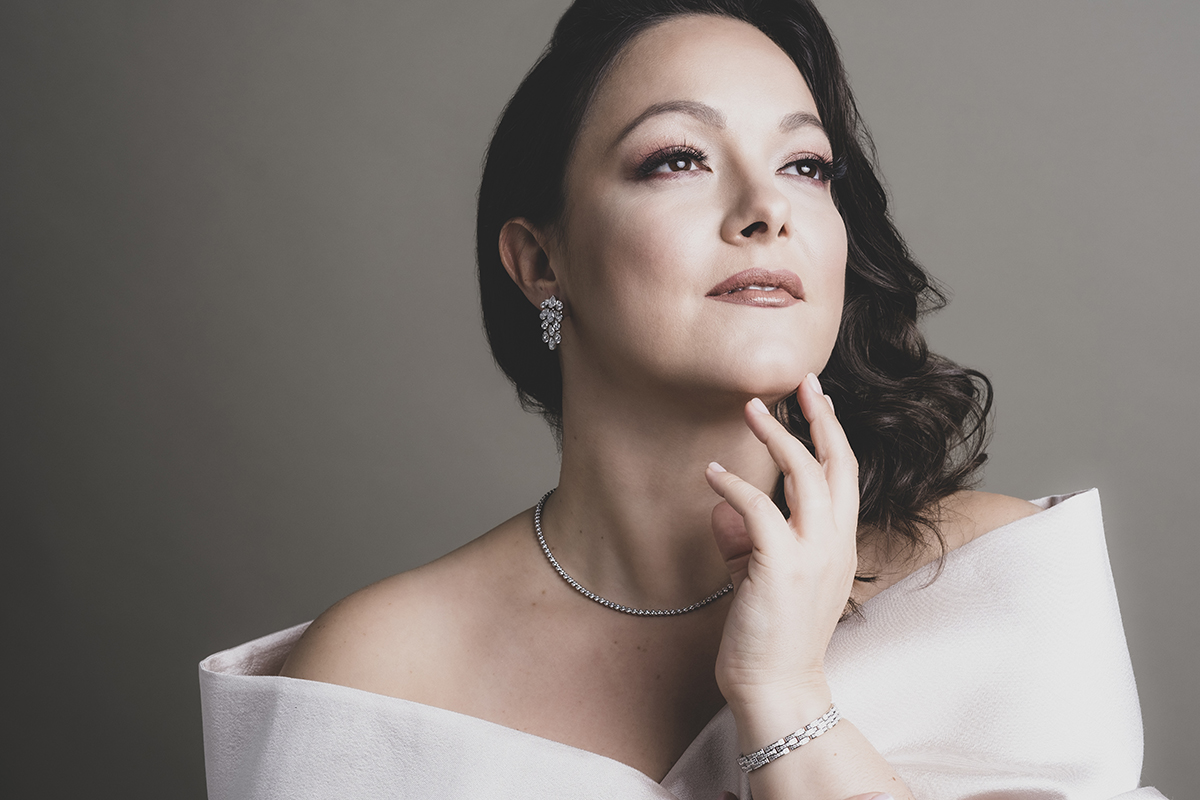
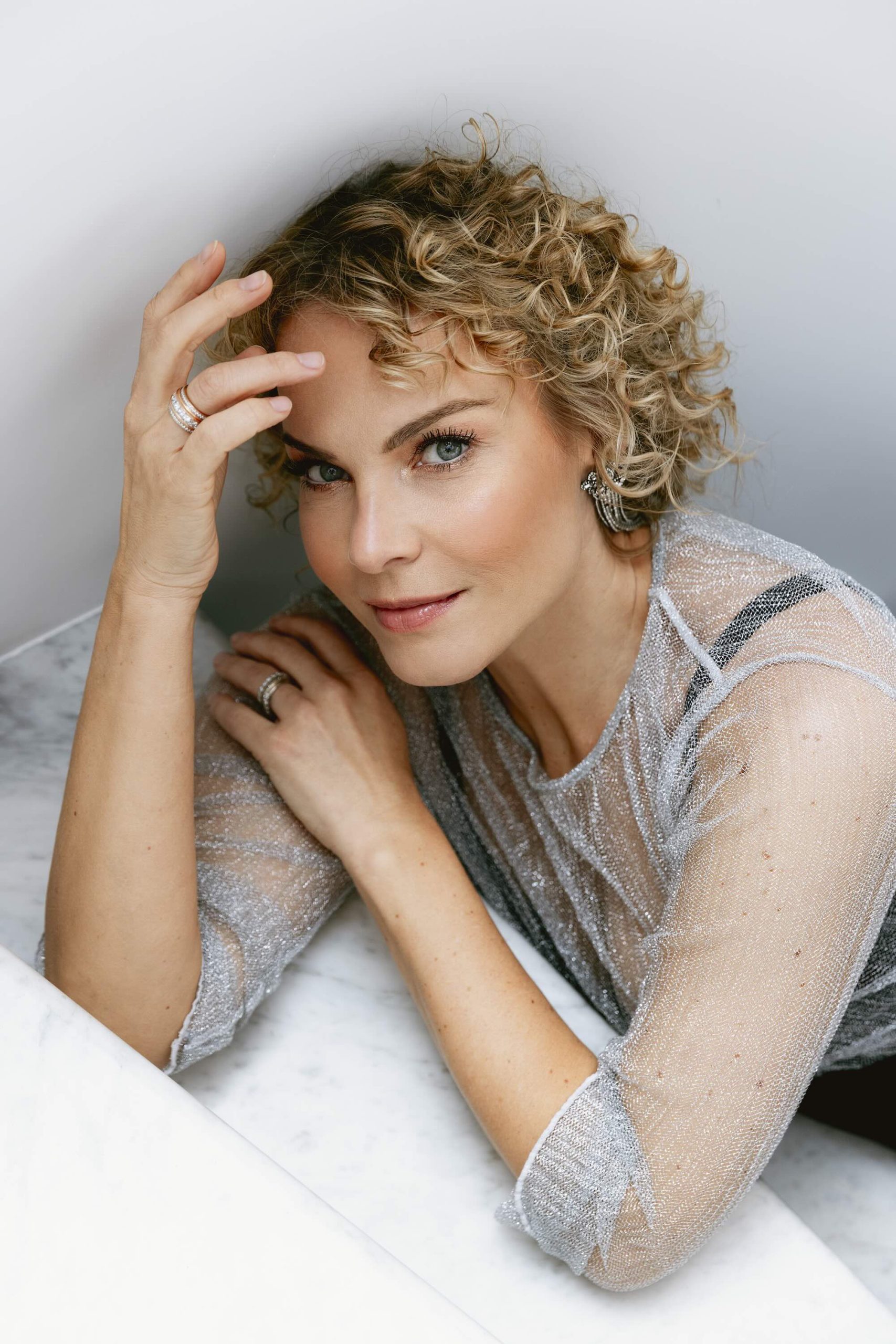
Eleonora Buratto has become established on the international scene as “the most precious and complete soprano that the Italian school has produced in recent years,” in the words of the daily Il Foglio. Over the past few seasons she has appeared in many illustrious venues: in Teatro La Fenice in Venice for the celebrated New Year’s Concert, in Milan’s La Scala as Amelia Grimaldi in Simon Boccanegra, at the Bavarian State Opera, where she debuted as Tosca, the Arena di Verona festival, at the concert Puccini secondo Muti (Puccini according to Muti), and in 2025 she appeared as Mimi at the New York Met. In addition to her work with Daniele Gatti, she is invited to perform with conductors Riccardo Muti, Kirill Petrenko and Daniel Harding. With a voice described by The New York Times as “lucid and suave from crystalline top to chocolatey bottom”, the soprano has won a series of important awards, among them the Franco Abbiati Prize for Best Singer of 2021 from Italy’s National Association of Music Critics. In April 2025 she released her debut solo album Indomita on the Pentatone label.
It would be difficult to find a greater star in the operatic firmament than Elīna Garanča. One of the world’s most respected mezzo-sopranos, she has been captivating critics and public alike for more than a quarter of a century not only with her beautiful voice, but also for her exceptional musical sentiment and conviction as an actress. Some of her most famous roles include Carmen, with which she triumphed at the Royal Opera House in London’s Covent Garden, the Bavarian State Opera in Munich and New York’s Metropolitan Opera. The performance at the Met was screened in more than a thousand cinemas all over the world and to this day remains one of the most visited and most successful titles in the series The Met: Live in HD. The New York Times hailed Garanča as “the finest Carmen in 25 years”. Of her recent triumphs we could mention her debut in the role of Kundry at Bayreuth, where she performed as the first Latvian singer in the festival’s history, also Amneris in Verdi’s Aida at the Vienna State Opera, and her appearance with the Vienna Philharmonic under Yannick Nézet-Séguin, which was relayed to more than eighty countries. Elīna Garanča’s wide-ranging discography contains an album of songs by Robert Schumann and Johannes Brahms and the recording Live from Salzburg, published in December 2021, which features two remarkable performances with the Vienna Philharmonic and Christian Thielemann at the Salzburg Festival.
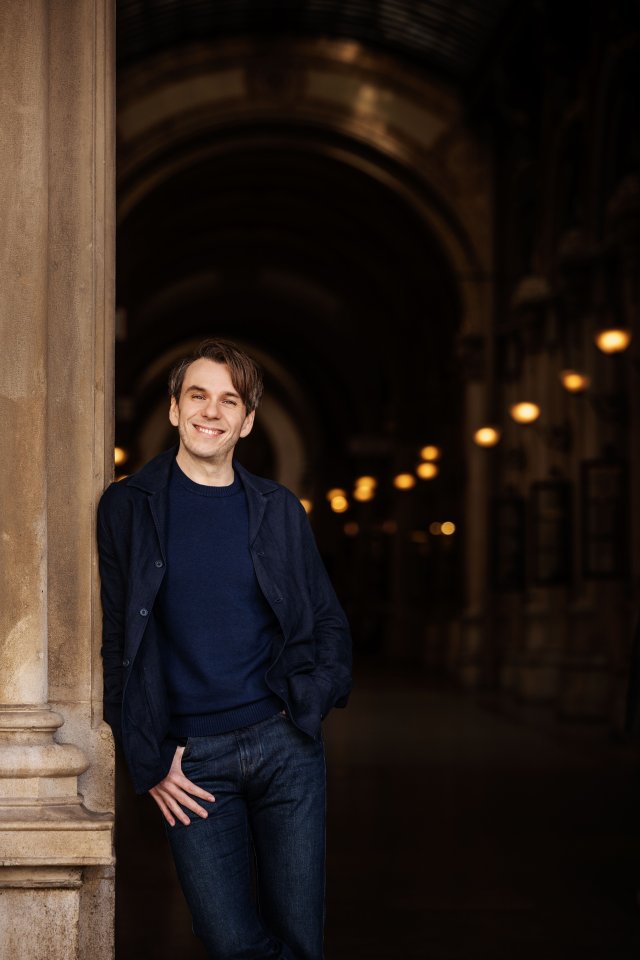
“The most beautiful tenor voice since Luciano Pavarotti” wrote the German daily Süddeutsche Zeitung in recognition of the artistic mastery of French tenor Benjamin Bernheim. This amiable singer regularly appears in the world’s leading opera venues: the Paris Opera, the Metropolitan Opera in New York, the Vienna State Opera, the State Opera in Berlin, Milan’s La Scala and the Royal Opera in London. His performance also added a sparkle to the Closing Ceremony of the Olympic Games in Paris. In 2024 he earned a notional operatic “Oscar” when he was named Best Male Singer at the International Opera Awards. That same year he released his most recent solo album on the Deutsche Grammophon label entitled Douce France (Sweet France), on which he combined songs by French Romantic composers Hector Berlioz and Ernest Chausson with classic chansons by Jacques Brel, Joseph Kosma and Charles Trenet.
Charismatic bass Riccardo Zanellato’s passion for singing emerged when he was chosen to join the choir of the Alpine troops during his military service. A defining moment for the artist, however, was his encounter with Arrigo Pola, the famous Italian singing teacher, who also taught Luciano Pavarotti. It was Pola, who in 1992 encouraged Zanellato on his successful journey to the opera stage and, two years later, steered him towards his debut at Teatro Verdi in Padua. A finalist of the Operalia competition 1997, he has since matured into a principal Verdi performer and now appears regularly at opera venues in Europe: in Milan (La Scala), Berlin, Paris, Barcelona, Amsterdam and the Salzburg Festival, conducted by the likes of Claudio Abbado, Riccardo Muti, Riccardo Chailly and Sir Antonio Pappano. The bass part in Verdi’s Requiem is one of his signature roles. Under Muti, for example, he has sung the part at the celebrated festival in Ravenna and with the Chicago Symphony in Vienna.
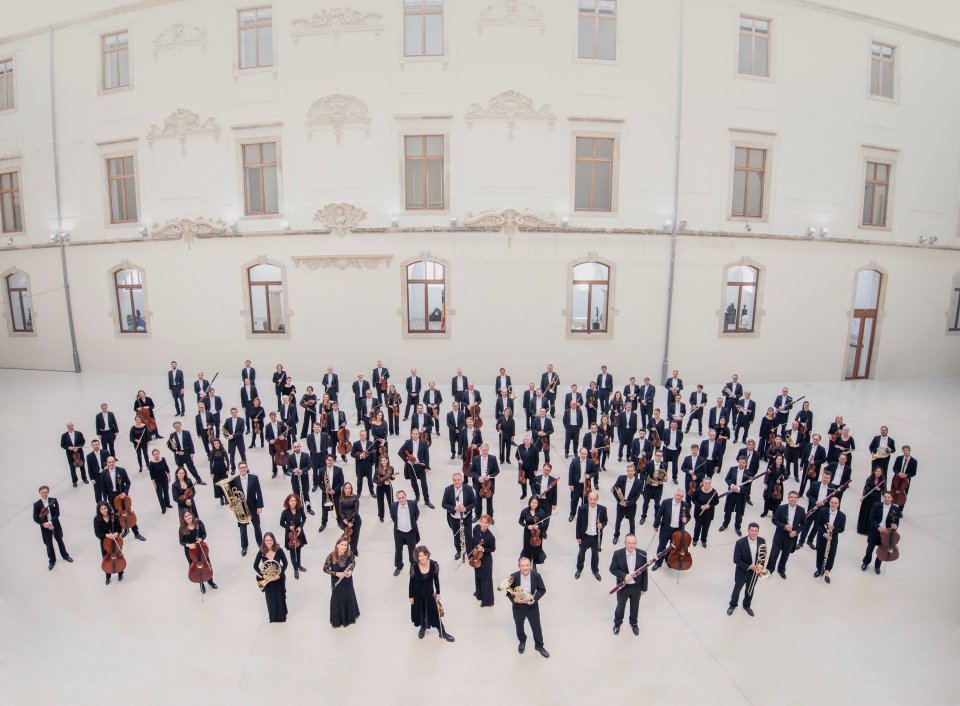
Sächsische Staatskapelle Dresden (Saxon State Orchestra Dresden) is one of the oldest orchestras in the world. The ensemble, which is inseparably linked with the city of Dresden, the Saxon court and today’s Semperoper, was founded back in 1548 by Maurice, Elector of Saxony. Back in the day the orchestra was led by such composers as Heinrich Schütz, Johann Adolf Hasse, Carl Maria von Weber and Richard Wagner, who described it as his “miraculous harp”. Major conducting figures in the orchestra’s modern history include Fritz Reiner, Karl Böhm, Kurt Sanderling, Giuseppe Sinopoli, Bernard Haitink, Fabio Luisi and Christian Thielemann, who headed the ensemble for twelve years. In 2024 the post of the new Principal Conductor of Staatskapelle Dresden was filled by Italian maestro Daniele Gatti. On its home ground – the Semperoper – Staatskapelle Dresden performs as many as 250 opera and ballet performances each season, along with around fifty symphonic concerts, matinées and chamber evenings. While mindful of its roots, the orchestra also performs contemporary music and regularly presents world premieres of brand new works: programmes feature prominent composers like Péter Eötvös, Sofia Gubajdulina, Wolfgang Rihm, György Kurtág, Olga Neuwirth and Georg Friedrich Haas. For more than one hundred years the unique sound of Staatskapelle Dresden has been immortalised on scores of recordings. Its impressive discography is complemented by numerous radio recordings for MDR Kultur and Deutschlandfunk radio stations and for the ZDF German television network.
For over 150 years Singverein der Gesellschaft der Musikfreunde in Wien (Vienna Singverein) has offered incontrovertible proof of the fact that amateur singers are capable of attaining the standard of professional ensembles. When its members arrive for rehearsals and concerts at Vienna’s Musikverein, they’re not going to work; on the contrary, they have just left their workplace: offices, law firms, medical practices or classrooms. The singers in this renowned Viennese choir do not make a living from singing, yet they cannot imagine life without it. Vienna Singverein has been one of the finest choral ensembles in Europe since its founding in 1858. The choir has performed the premieres of a number of works which are now classical gold: Brahms’s A German Requiem, Bruckner’s Te Deum or Gustav Mahler’s monumental Symphony of a Thousand. Today they are led by eminent chorusmaster Johannes Prinz and they frequently collaborate with the Vienna Philharmonic. For their various vocal projects they engage conductors such as Daniel Barenboim, Gustavo Dudamel, Mirga Gražinytė-Tyla, Franz Welser-Möst, Christian Thielemann and Herbert Blomstedt.