
Kožená & Rattle & BRSO
Concert partner

Programme
- Joseph Haydn: Symphony No. 86 in D major “Paris” Hob. I:86
- Ondřej Adámek: Where are You?
- Johannes Brahms: Symphony No. 4 in E minor Op. 98
Performers
- Symphonieorchester des Bayerischen Rundfunks
- Sir Simon Rattle – conductor
- Magdalena Kožená – mezzo-soprano
Pre-Concert Talk with Ondřej Adámek at 6.45 pm (in Czech without interpreting)
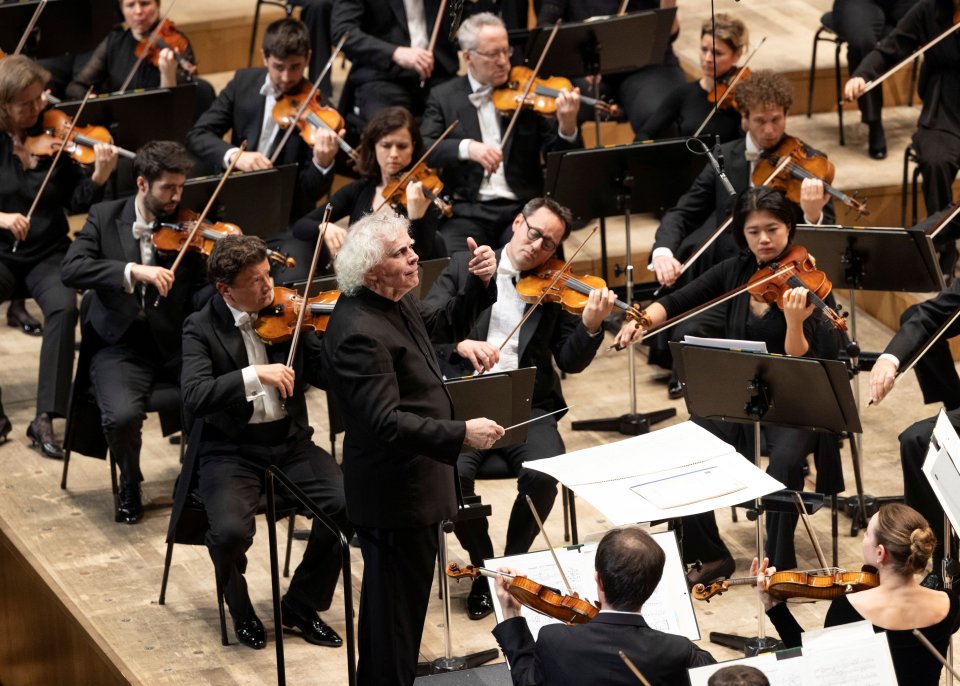
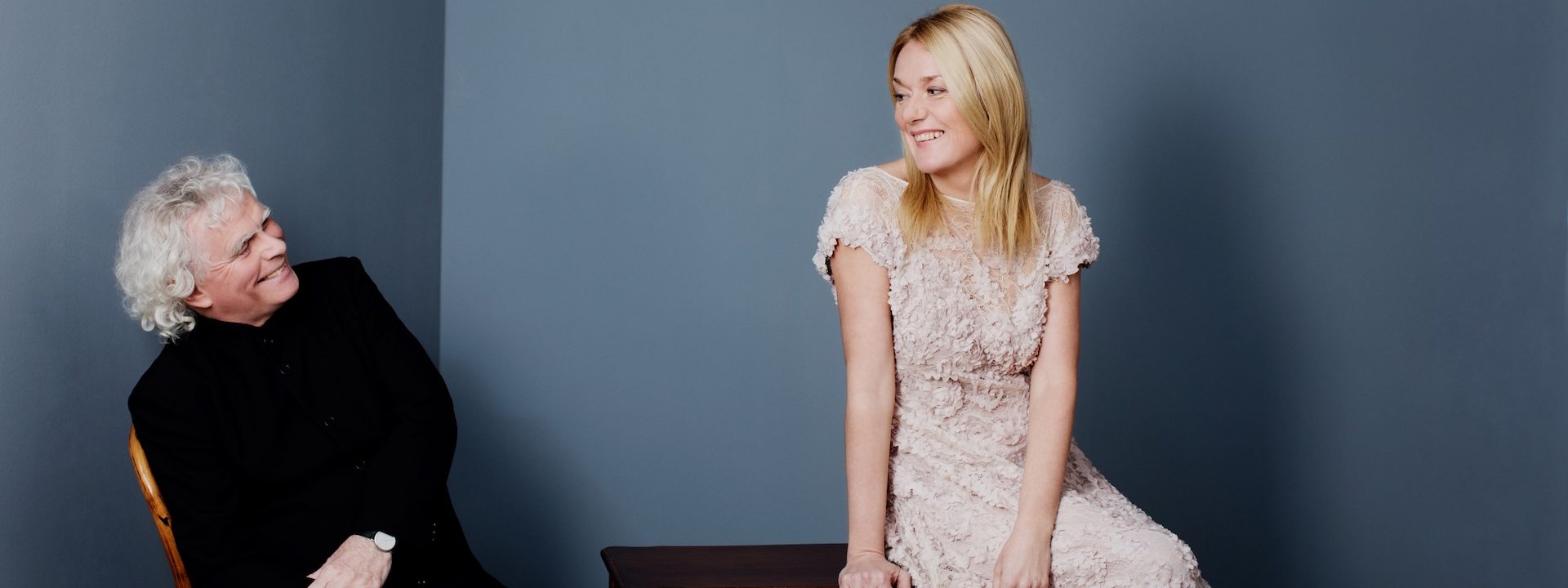
The Bavarian Radio Symphony Orchestra (BRSO), according to prestigious international rankings one of the three greatest orchestras in the world, gave a superb concert of Mahler’s Symphony No. 7 at the Prague Spring in 2023. With this performance still fresh in our minds, the ensemble is returning to the festival, now with its new Chief Conductor, Sir Simon Rattle. Together they will present two programmes in Prague on 14 and 15 May. Their first concert will feature supreme symphonies by two Viennese classics – Joseph Haydn and Johannes Brahms and the Czech premiere of the piece Where are You? by Ondřej Adámek, whose solo part was written specifically for mezzo-soprano Magdalena Kožená. “Ondrej is a great composer. In Where are You? he creates a gripping drama about the search for God with quasi-ritual traits,” states Sir Simon Rattle. In this work Adámek treats texts from the Bible, from the sacred Hindu scripture Bhagavad Gita, also from the autobiography of St Teresa of Ávila, and even the Moravian folk song Kdo víno pije, muzice platí (He who drinks wine pays for the music). In addition to Where are You? the programme also includes Brahms’s last symphony, the Fourth, with its imposing closing Passacaglia, and the majestic Symphony No. 86 from the cycle of “Paris” symphonies by Joseph Haydn, whose humorous and universal spirit Simon Rattle describes as “an eternal elixir”.
“The scope of Adámek’s imagination is dazzling, as is the ferocious energy that courses through the veins of his music. It is not for the faint-hearted, but then neither was Beethoven’s Fifth or The Rite of Spring. This is music that grabs the listener by the ears and doesn’t let go. I found it completely exhilarating,” wrote David McDade in his review of Where are You? on musicweb-international.com, the biggest world classical music website. He later added: “Almost miraculously he manages to be both uncompromisingly modernist and yet intensely communicative.” Globetrotter Ondřej Adámek (*1979), who spent a large part of his life in France and Germany and is now at home in Spain, is one of the most respected composers on the scene today. His music is commissioned and performed by some of the world’s finest orchestras, including the BRSO, the Berlin Philharmonic, the London Symphony Orchestra, Ensemble intercontemporain and Ensemble Modern, the Ensemble-in-Residence of Prague Offspring. In the years 2014 and 2015 he was awarded a scholarship at Académie de France and was thus able to work in the renowned Villa Medici in Rome like his famous predecessors Claude Debussy, Lili Boulanger, Eugène Bozza, Henri Dutilleux, Tristan Murail and Bruno Mantovani. “Where are You? represents a journey through various states of mind, various faiths, and various questions: where can we find the divine? Yet we won’t get an answer because it’s impossible to achieve This,” he states. “The piece is about the lightness of our soul, which takes us up to heaven, and about the oppressiveness of our body, which brutally forces us back to earth.”
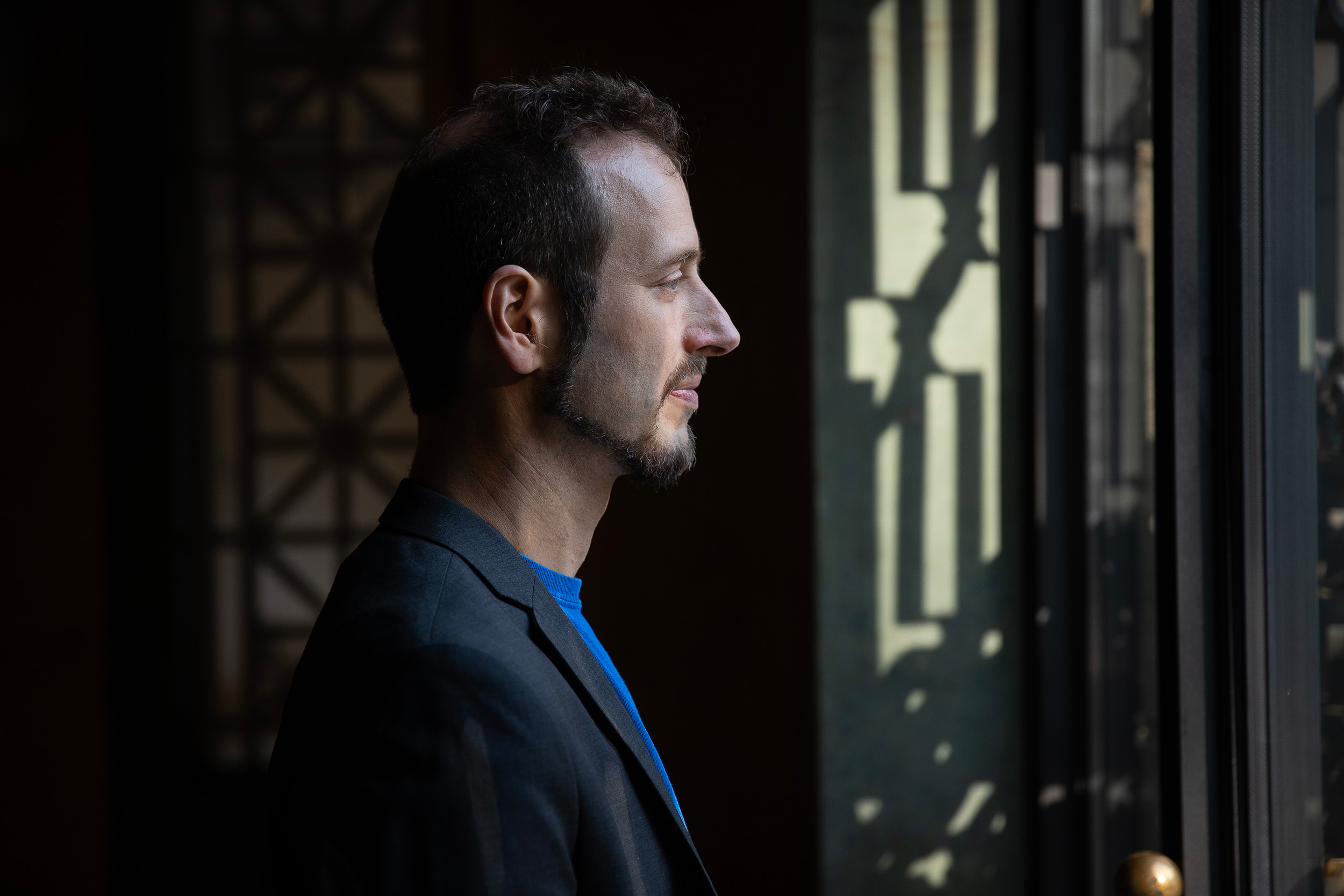
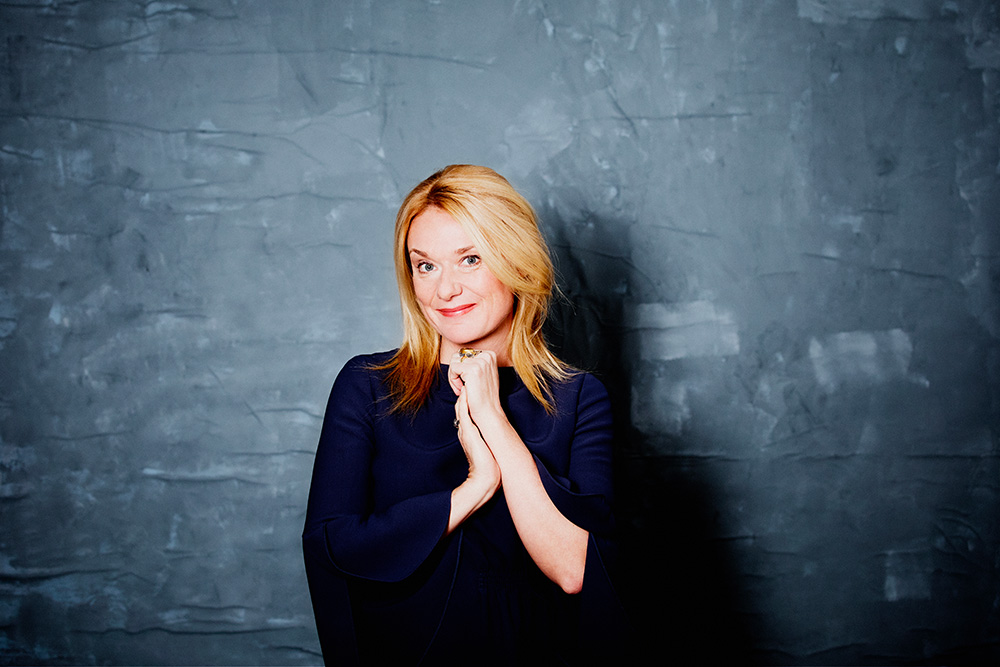
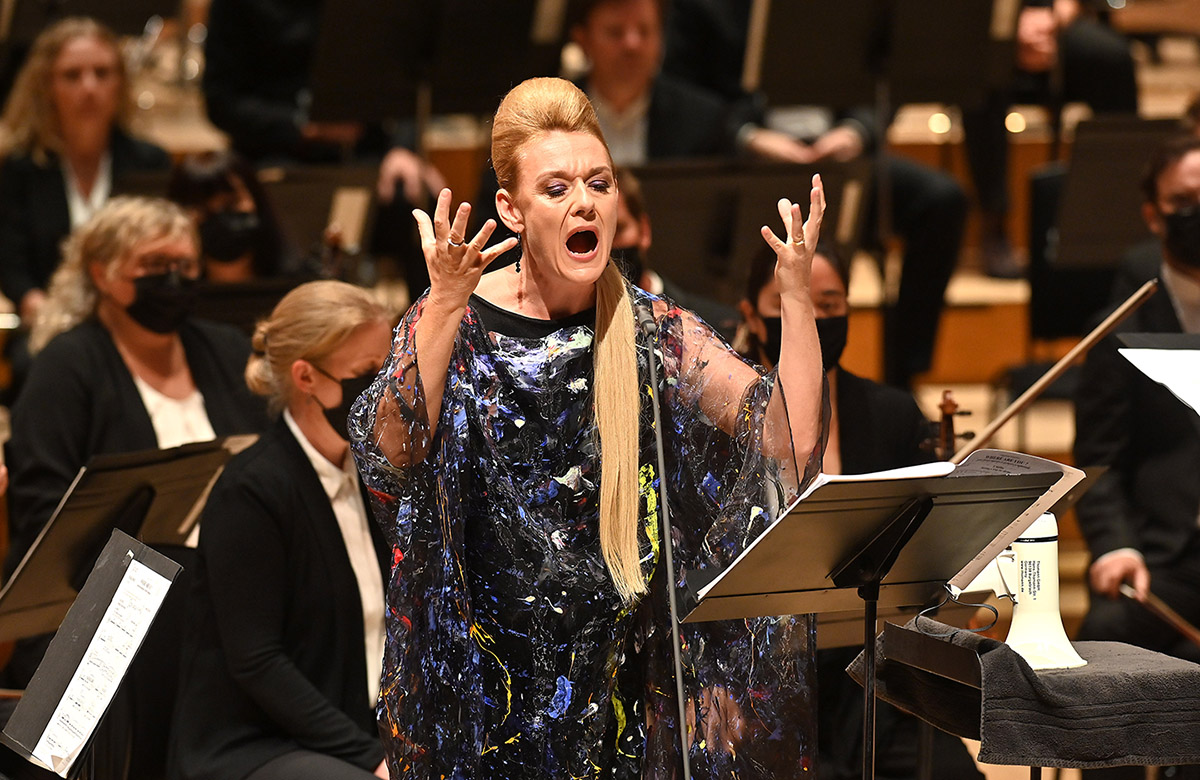
The piece commissioned by Bavarian Radio and the London Symphony Orchestra was written for mezzo-soprano Magdalena Kožená, who needs little introduction. She gave her debut at the Prague Spring in 1996, which was followed by six further appearances. Her most recent concert at the festival, where she teamed up with pianist Mitsuko Uchida, prompted the website operaplus.cz to describe this sell-out concert as “the pearl of the Prague Spring”. “Her technique is staggering,” wrote the site classicalexplorer.com on her performance in Where are You?. “Magdalena was hoping to have more ‘singing’ in the piece and I was again insisting on a half-whispered voice, a low register, pronunciation of each phoneme, and strict rhythm like beat-boxing,” says Ondřej Adámek on his work. Then you have the texts in several languages: Aramaic, Czech, Spanish, English and Sanskrit. The singer, whose career has seen her working alongside such stellar names as Claudio Abbado, Daniel Barenboim, Sir John Eliot Gardiner and Pierre Boulez, thus faces all manner of new artistic challenges in this piece.
Symphony No. 86 by Joseph Haydn (1732–1809) is part of a cycle of six “Paris” symphonies commissioned by the Paris-based company Concerts de la Loge Olympique, whose musical performances were attended by the likes of Marie Antoinette and Louis XVI. According to period sources the work was premiered to huge acclaim in 1787 and was later also presented in the popular Concert Spirituel series. Johannes Brahms (1833–1897) likewise enjoyed deserved recognition at the premiere of his fourth and last symphony, held in 1885 in the German town of Meiningen. After the success of the Second and Third Symphonies he didn’t want to disappoint his supporters, and on this occasion he had misgivings as to whether his next, possibly his last, symphonic work would live up to the reputation of his previous efforts. In August 1885 he sent the first movement to his friend Elisabeth von Herzogenberg, adding the note: “Would you… tell me what you think of it? … Cherries never get ripe for eating in these parts [referring to the town of Mürzzuschlag up in the mountains], so don’t be afraid to say if you don’t like the taste. I’m not at all eager to write a bad No. 4.” When one of his friends in Vienna wrote to him after the summer vacation, asking if he had written any string quartet or similar during the holidays, the maestro answered sensibly: “Nothing so grand as that! Once again I’ve just thrown together a bunch of polkas and waltzes.” The piece does indeed incorporate certain dance elements, while its culmination is the last movement, a masterful Passacaglia, at whose close we hear Brahms’s “fate” motif in the timpani.
Three exceptional works performed by one of the world’s greatest orchestras under one of the world’s finest conductors, Sir Simon Rattle. Don’t miss the start of the Prague Spring. Thanks to Adámek’s premiere you’ll also hear authentic cimbalom band music played by the BRSO!