


La Damnation de Faust
Tomáš Netopil and stars of the New York Met in the dramatic and entertaining legend based on Goethe’s Faust. All roads lead to hell!
Programme
- Hector Berlioz: La Damnation de Faust Op. 24
Performers
- Prague Symphony Orchestra
- Tomáš Netopil – conductor
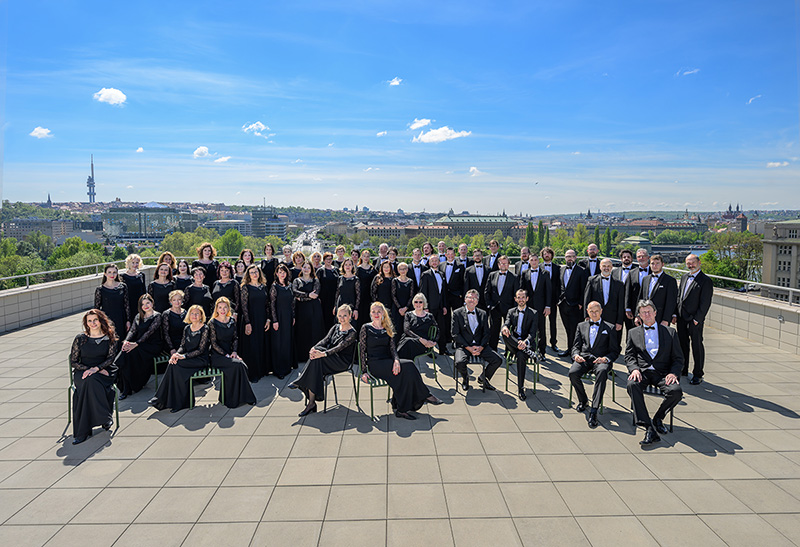
- Prague Philharmonic Choir
- Lukáš Vasilek – chorusmaster
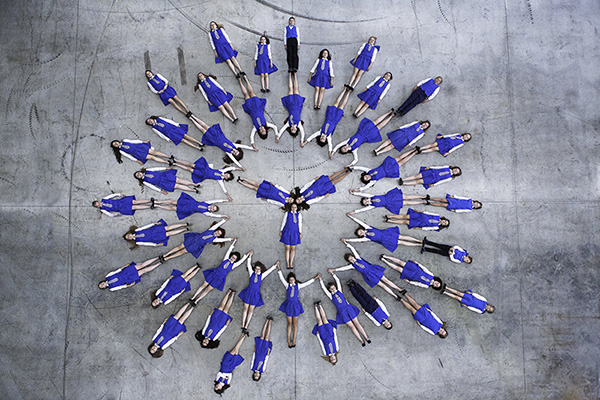
- Prague Philharmonic Children’s Choir
- Petr Louženský – chorusmaster
- Paul Appleby – tenor (Faust)
- Štěpánka Pučálková – mezzo-soprano (Marguerite)
- Alexander Vinogradov – bass (Méphistophélès)
- Pavel Švingr – bass (Brander)
Faust:
Who are you, whose burning look
Penetrates like the flash of a dagger,
And who, like flame,
Burns and devours the soul?
Mephistopheles:
Truly for a doctor that is a frivolous question.
I am the Spirit of Life, and it is I that console.
I will give you everything, happiness, pleasure,
All that the most ardent desire can dream of.
Faust:
Very well, poor demon, show me your wonders.
“This marvellous book fascinated me from the very beginning. I could not put it down. I read it incessantly, during meals, in the theatre, in the street, everywhere,” composer Hector Berlioz, musical visionary of 19th century French music, and perhaps something of a fantasist, describes his enchantment with Goethe’s Faust. His “Faustian” passion gave rise initially to Eight Scenes from Faust and then, eighteen years later, to a composition perhaps even more remarkable than his Symphonie fantastique – a “légende dramatique” that treads a fine line between oratorio and opera entitled La Damnation de Faust (The Damnation of Faust). Here, Berlioz’s version of the story deviates considerably from Goethe’s play, with the composer mercilessly propelling the protagonist to the gates of hell right from the start. However, before he condemns Faust forever, Berlioz applies his special brand of imagination as he takes him on numerous adventures full of twists and turns involving a series of entertaining, dramatic and, naturally, also romantic scenes. Tomáš Netopil chose this extraordinary work for mixed and children’s choirs, four soloists and large orchestra for his debut at the Prague Spring as the new Chief Conductor of the Prague Symphony Orchestra. The main roles of Faust and Mephistopheles will be undertaken by stars of the Metropolitan Opera in New York, tenor Paul Appleby and bass Alexander Vinogradov, Marguerite will be sung by soloist at the Semperoper Dresden Štěpánka Pučálková, and the role of the student Brander will be performed by Pavel Švingr, soloist at the National Theatre Opera and State Opera.

During his time Hector Berlioz (1803–1869) was acknowledged to a far greater extent as a conductor and as an original music critic. As a composer he was ahead of his time by several decades, and so many of his revolutionary musical ideas were misunderstood during his lifetime, only to be picked up by composers of the younger generation, such as Richard Wagner. Likewise the Paris premiere of The Damnation of Faust in 1846 was a total fiasco. It wasn’t until fifty years later that this monumental work finally triumphed, when it was staged at the Opéra de Monte-Carlo in 1893. As mentioned above, Berlioz did not seek to duplicate the story of Goethe’s Faust, stating in his foreword: “The very title of the work indicates that it is not based on the principal idea of Goethe, since, in his great poem, Faust is saved.” Berlioz was essentially interested in the “musical essence” of Faust, from which he extracted the maximum. The composition, lasting over two hours, brims with imitative elements, explicit tone colour and wit; for example, in the Pandemonium chorus in Part IV, when a group of damned souls emit menacing gibberish, or in the scene in the wine cellar, when the student Brander sings a song about a dead rat, which culminates in a blasphemous, flawless choral fugue written to the text of the devotional Amen. Adding some of his own ideas, the composer compiled the French libretto himself, working with the French translation of Faust by Gérard de Nerval. “Once underway, I wrote the missing verses as the musical ideas came to me. I composed the score when and where I could – in the carriage, on the train, on steamboats.” Conductor Tomáš Netopil told us: “For me, La Damnation de Faust is not only a musical feast but also an adventure. The fantastical world of Hector Berlioz’s innovative musical aesthetic brings an originality which propels this dramatic tale towards an extremely credible and intensive musical and dramatic experience, where the Faustian theme once again becomes a familiar human story.”
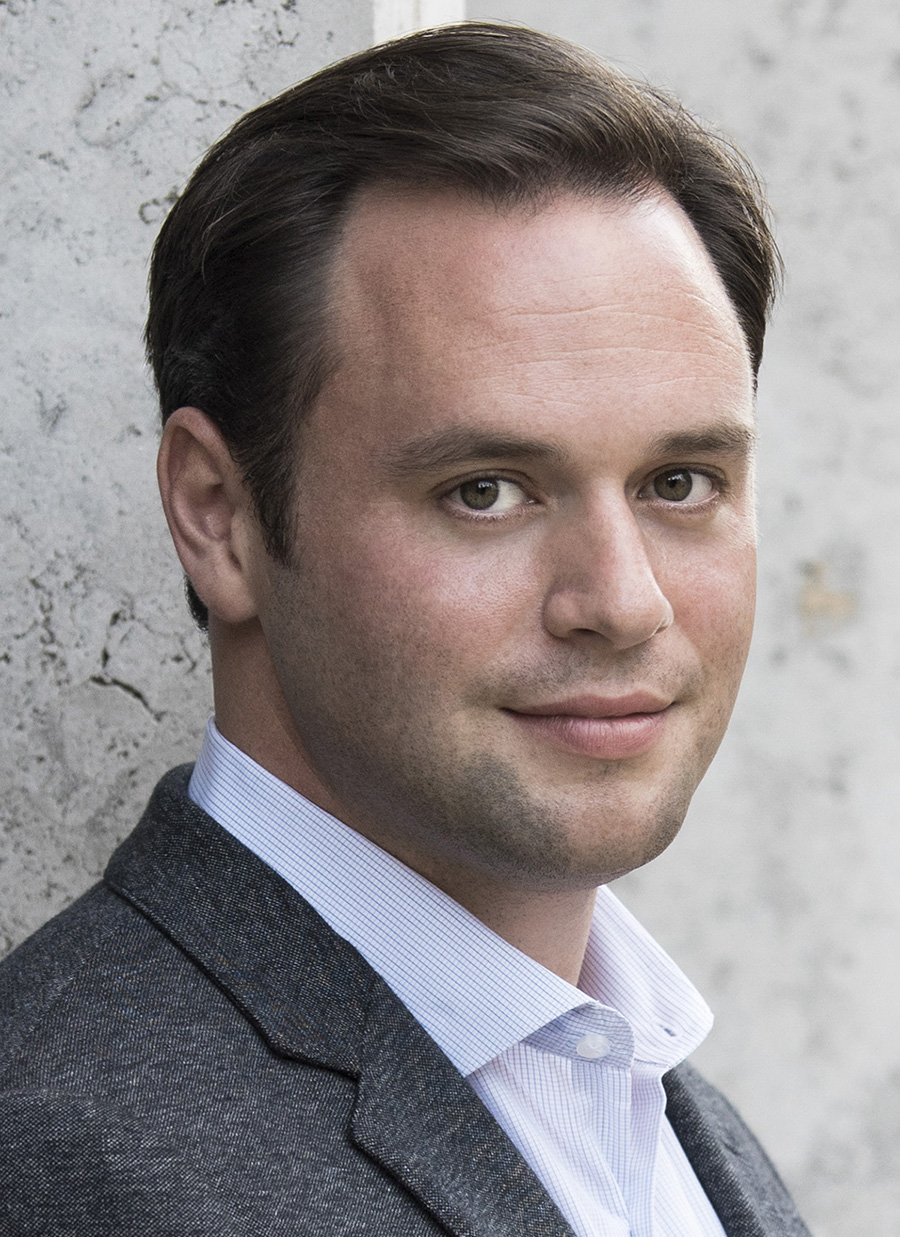
“His tenor is limpid and focused, but with a range of colour unusual in an instrument so essentially lyric,” wrote Opera News magazine, describing the performance of American tenor Paul Appleby. After graduating from the Juilliard School he enlisted for the prestigious Lindemann Young Artist Development Program at the Metropolitan Opera, where he regularly returns to this day as one of the stars of this venue. He has collaborated with Yannick Nézet-Séguin, Sir Antonio Pappano and the London Symphony Orchestra, Riccardo Muti conducting the Chicago Symphony Orchestra, Gustavo Dudamel and the Los Angeles Philharmonic, Santtu-Matias Rouvali heading the Munich Philharmonic and the Cleveland Orchestra under Franz Welser-Möst. The composer John Adams wrote the role of Caesar for him in his opera Antony and Cleopatra, which was premiered by the Met. The role of Faust in The Damnation of Faust is entirely familiar to him; last season he sang the part with the Gulbenkian Orchestra under Finnish conductor Hannu Lintu.
Alexander Vinogradov was only twenty-one when he gave his debut as Oroveso in Bellini’s Norma at the Bolshoi Theatre in Moscow; since that time he has earned his position among the world’s singing elite. Last season he returned to Milan’s Teatro alla Scala and to the Metropolitan Opera in New York, and this season he is singing the part of the Water Sprite in Dvořák’s Rusalka at the Vienna State Opera. On the concert platform he has sung the part of Ivan in Prokofiev’s music for the film Ivan the Terrible with Orquesta y Coro Nacionales de España under Pablo González, and he appeared in Shostakovich’s Symphony No. 14, accompanied by the São Paulo Symphony Orchestra conducted by Vasily Petrenko. He has also worked with such conducting names as Daniel Barenboim and Zubin Mehta.
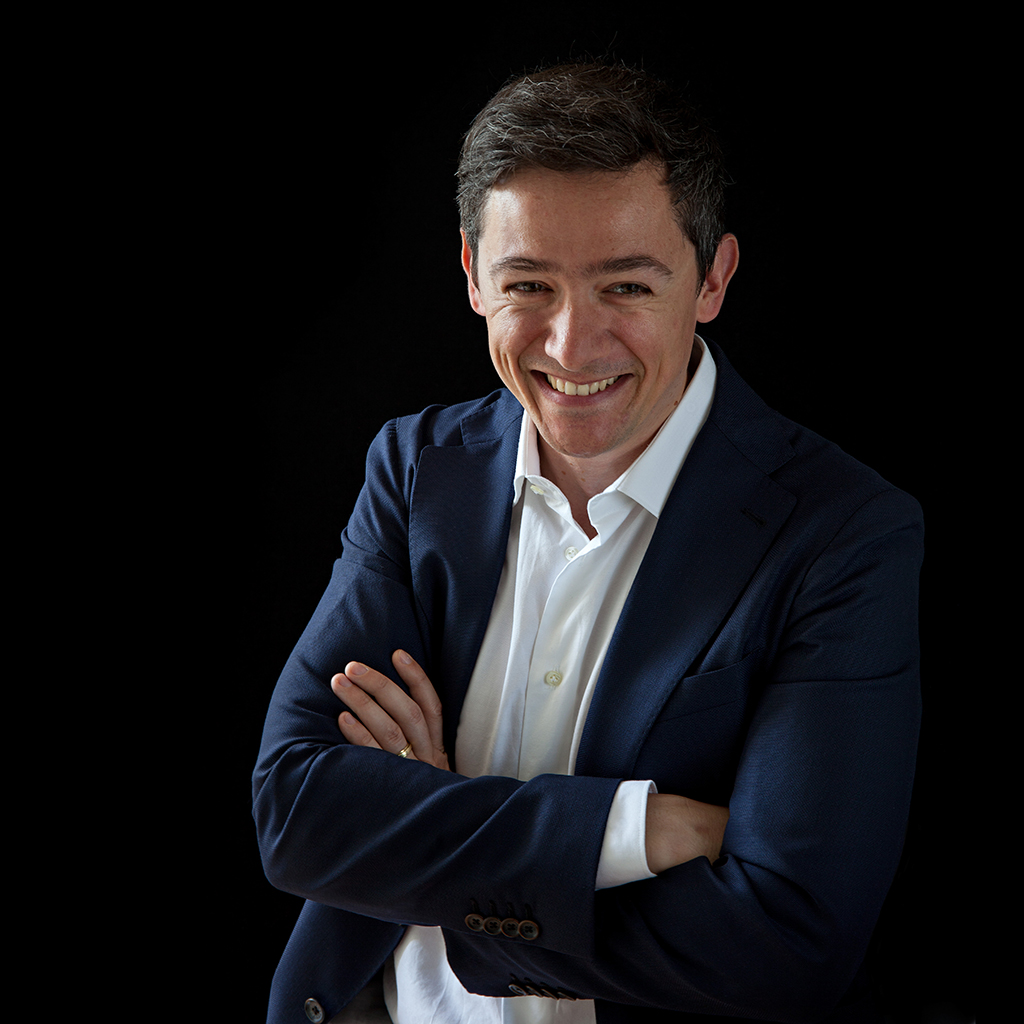
Mezzo-soprano Štěpánka Pučálková will be making her festival debut in the role of Marguerite. “It is a great honour for me to sing at a celebrated and important festival with such an enduring tradition,” she stated. A finalist at the International Hans Gabor Belvedere Singing Competition in Vienna and holder of the Special Award for Female Voice at the Concours International de Bel Canto Vincenzo Bellini in Marseille, she has been engaged as a soloist at the Semperoper in Dresden since 2018. In addition to this she has made guest appearances at Vienna’s Volksoper, the Theater an der Wien, Prague’s National Theatre and at opera venues in Florence, Naples and Leipzig. Under Christian Thielemann she debuted in 2017 at the Salzburg Easter Festival and the Beijing Music Festival. The French repertoire suits her voice extremely well; for the role of Charlotte in Massenet’s opera Werther she was nominated for a Thalia Award.
Soloist at the National Theatre Opera and State Opera Pavel Švingr gave his debut at the leading Czech opera venue in 2009 and since then has created a whole series of different roles. In addition to well-established works he has also appeared in lesser-known operas such as Dmitri Shostakovich’s Antiformalist Rayok, Death in Venice by Benjamin Britten or Alexander Zemlinsky’s Kleider machen Leute (Clothes make the man). He studied at the Academy of Performing Arts in Prague and at the Universität für Musik und darstellende Kunst in Vienna. He won the Kammeroper Schloss Rheinsberg International Singing Competition in Berlin.
Conductor Tomáš Netopil first appeared at the Prague Spring in 2004. Since that time there have been another ten concerts, among them we could mention the Closing Concert with the Prague Symphony Orchestra in 2016, the Opening Concert with the Czech Philharmonic in 2018 and his guest appearance with the Essener Philharmoniker in 2023. After his ten years’ tenure in Essen Tomáš Netopil assumed the post of Chief Conductor of the Prague Symphony in September 2025 and, for the Prague Spring, it is a great honour that, in their first season together at the festival, they will be presenting a work of such significance, magnitude and beauty as La Damnation de Faust. For this music truly contains everything Mephistopheles promises Faust – “happiness, pleasure, all that the most ardent desire can dream of”!
Listen to the famous Hungarian March from the La Damnation de Faust performed by the London Symphony Orchestra and Sir Simon Rattle