
Prague Spring Advent Concert
General Partner and Concert Partner

Programme
- Johannes Brahms: Tragic Overture Op. 81
- Johannes Brahms: Double Concerto for Violin, Cello and Orchestra in A minor Op. 102
- Johannes Brahms: Symphony No. 1 in C minor Op. 68
Performers
- Chamber Orchestra of Europe
- Yannick Nézet-Séguin – conductor
- Veronika Eberle – violin
- Jean-Guihen Queyras – cello
Dress code: black tie
The Prague Spring’s special Advent concert marks the appearance of one of the biggest stars on the conducting scene today – Yannick Nézet-Séguin. The Music Director and Chief Conductor of the Metropolitan Opera in New York, the Philadelphia Orchestra and Montréal’s Orchestre Métropolitain will lead the Chamber Orchestra of Europe in Prague Castle’s ceremonial Spanish Hall, where they will join forces with two top-flight soloists – German violinist Veronika Eberle and French cellist Jean-Guihen Queyras – in a performance of three masterpieces by German Romantic Johannes Brahms.
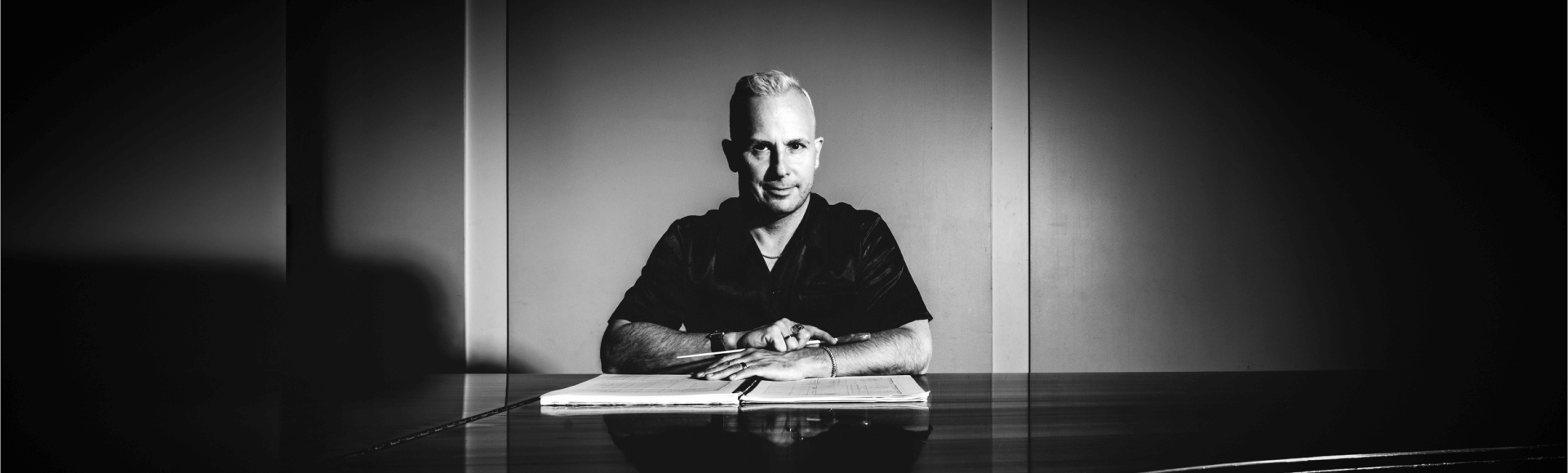
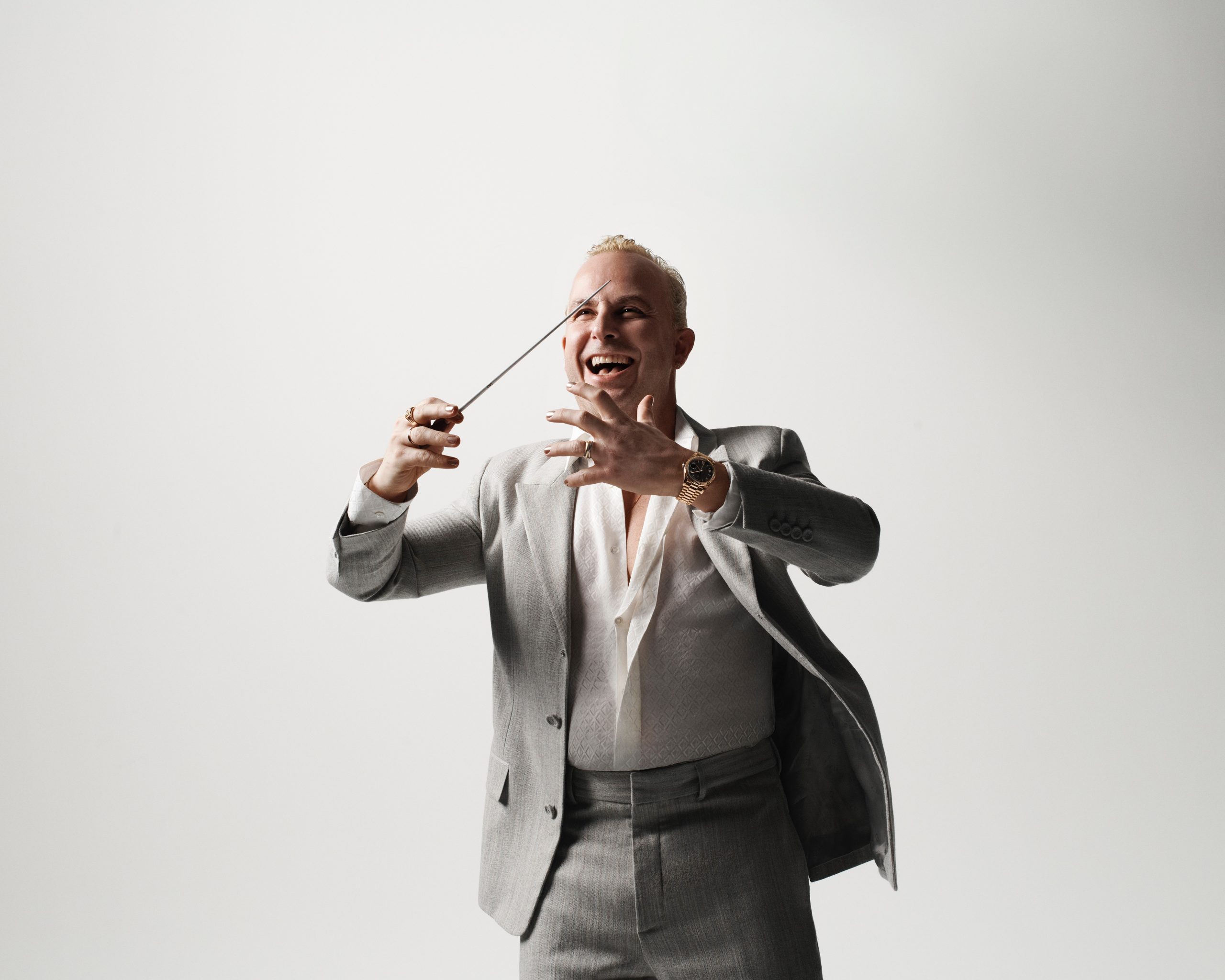
A native of Montréal, Yannick Nézet-Séguin has been one of the most highly sought-after conductors of the last two decades. The Financial Times described him as “the greatest generator of energy on the international podium”, BBC Music Magazine praised his “passionate interpretation of burning sincerity”, while The New York Times headed an article about his performance with the words “Knocking at the gate of heaven”. The holder of five Grammy Awards, he regularly appears with some of the world’s finest orchestras, including the Berlin and New York Philharmonics and, in addition to the Metropolitan Opera, he also makes repeated visits to the rostrum of London’s Royal Opera House in Covent Garden, the Vienna State Opera and Milan’s Teatro alla Scala. The conductor, who incidentally was involved in the production of the celebrated film about Leonard Bernstein, Maestro, will play a central role in 2026 in what is arguably the world’s most closely monitored classical music event when he conducts the Vienna Philharmonic in their traditional New Year’s Day concert.
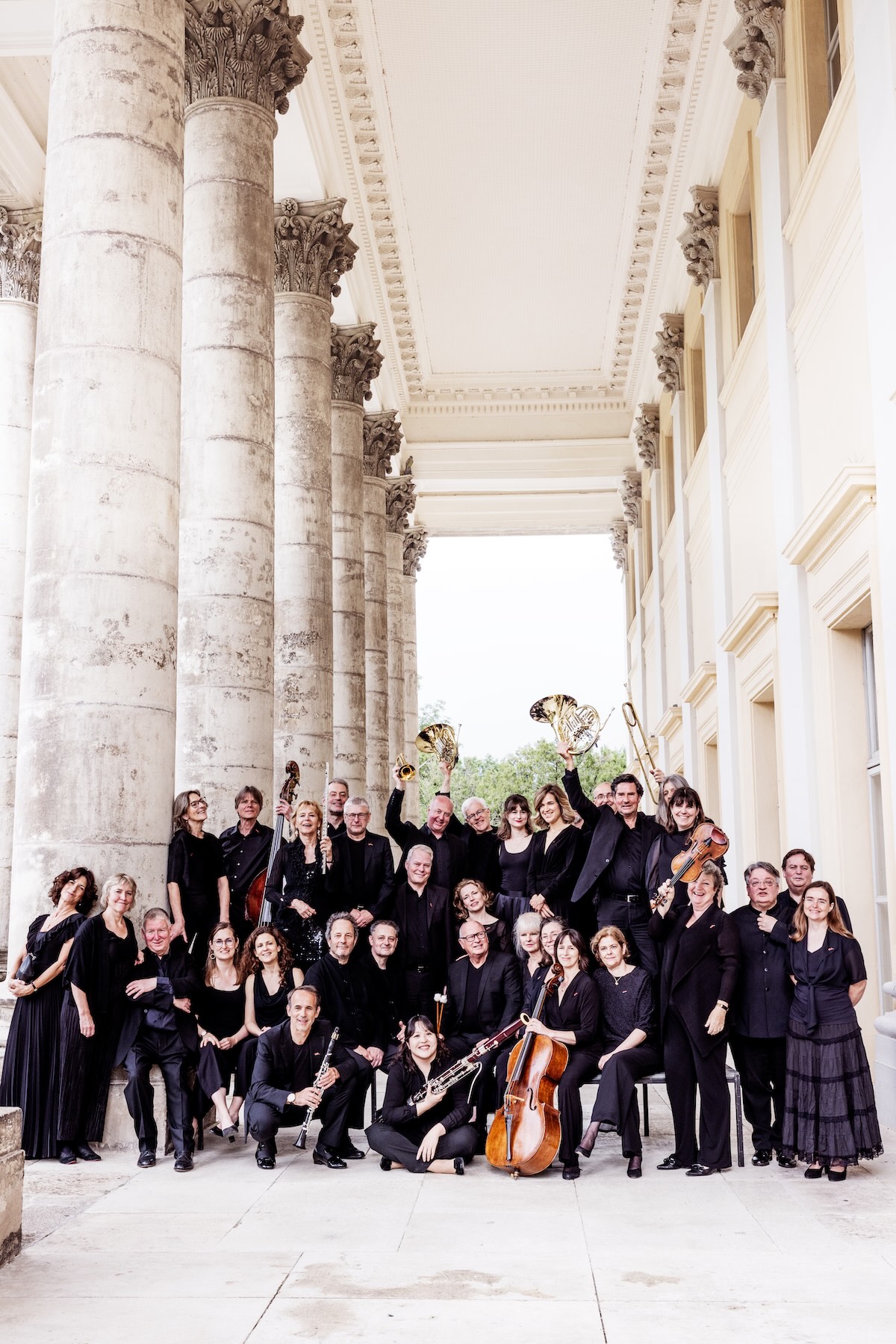
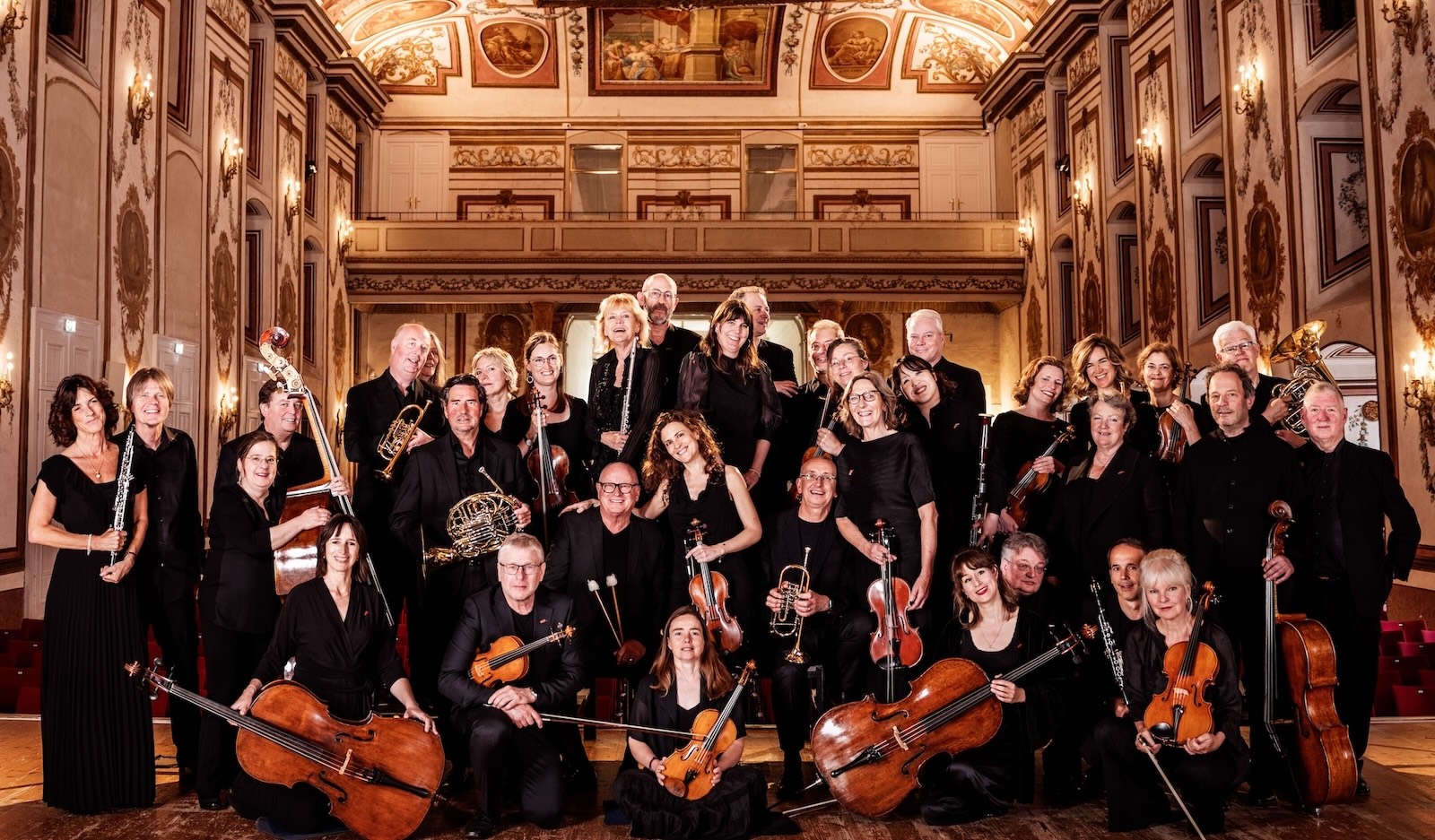
The Chamber Orchestra of Europe has been a leading world orchestra since its founding in 1981. Today it has approximately sixty members who pursue parallel careers as principals or section leaders of nationally-based orchestras and eminent chamber musicians. The ensemble appears at prestigious venues, including the Berlin and Paris Philharmonies, Concertgebouw Amsterdam and the festivals in Salzburg and Baden-Baden. Its identity was shaped in the early years by Italian conductor Claudio Abbado and the legendary figure of historically informed interpretation Nikolaus Harnoncourt, amongst others. Today the orchestra works closely with such distinguished partners as Sir Simon Rattle, Sir András Schiff and Yannick Nézet-Séguin. For its numerous recordings the Chamber Orchestra of Europe has won two Grammy Awards and three awards from British Gramophone magazine.
Violinist Veronika Eberle was introduced to the international scene at the age of eighteen by Sir Simon Rattle when he accompanied her with the Berlin Philharmonic in a performance of Beethoven’s Violin Concerto at the Salzburg Easter Festival. Since that time the artist, who plays on a Stradivarius from 1693, has performed with some of the world’s finest orchestras, including the New York Philharmonic, the Royal Concertgebouw and the London Symphony Orchestra. “Eberle has tremendous facility,” wrote a critic on the bachtrack.com website; “there were times during her performance that I had to remind myself that playing the violin is difficult!” Her musical partner in Brahms’s Double Concerto will be Jean-Guihen Queyras. The performance of this French cellist, who has collaborated with such conducting names as Pierre Boulez, Iván Fischer, François-Xavier Roth and Sir John Eliot Gardiner, blends flawless technique with richness of sound, which come into their own in a repertoire spanning an arc from the Baroque to new works by leading contemporary composers.
The music of Johannes Brahms (1833–1897) forms one of the pillars of the collaboration between Yannick Nézet-Séguin and the Chamber Orchestra of Europe. In 2022 and 2023 they performed his works at numerous concerts, subsequently recording them on several CDs, released in 2024 on the prestigious Deutsche Grammophon label. The Prague programme will open with the Tragic Overture from 1880, the emotional “antithesis” of the joyful Akademische Festouvertüre written a few months earlier that year. The piece, which is not associated with any specific event, was originally intended as the overture to a new production of Goethe’s Faust. Brahms wrote to his publisher at the time: “I could not refuse my melancholy nature the satisfaction of composing an overture to a tragedy.” This will be followed by Double Concerto for Violin, Cello and Orchestra in A minor, the composer’s final orchestral work. The piece has an interesting background in that Brahms wrote it as a gesture of reconciliation towards violinist Joseph Joachim; the two had become estranged years before after a bitter argument. That Brahms’s efforts were not in vain is reflected in the fact that Brahms’s close friend Clara Schumann chose to describe the Double Concerto as a Versöhnungeswerk (a work of reconciliation). The evening will culminate in a performance of Brahms’s Symphony No. 1. The profoundly self-critical composer had been thinking about writing the work since his young days; the first version dates from the years 1855–1856, however, he completed the piece as a mature composer and consented to its performance more than twenty years after he had begun sketching it. Today this symphony, inspired by Beethoven’s Ninth, is part of the gold collection of the orchestral repertoire.