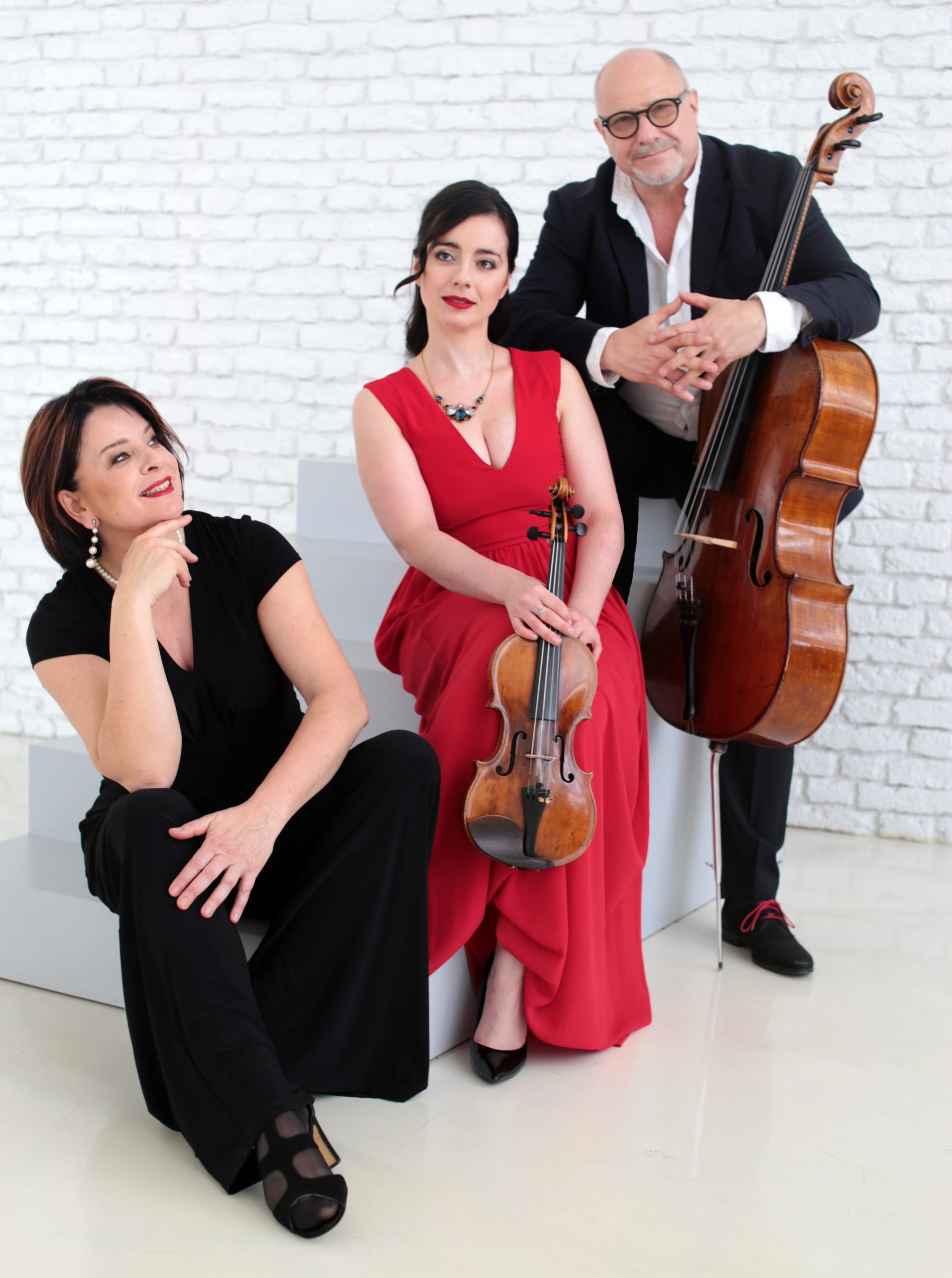

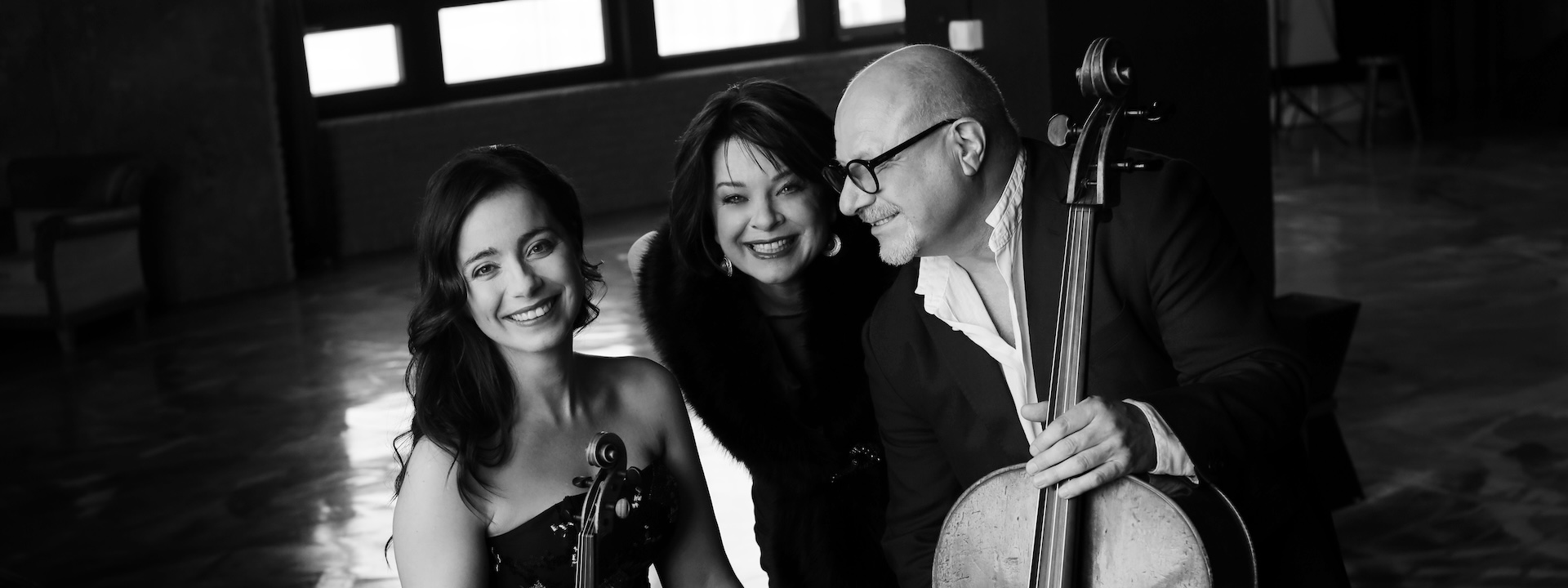
Smetana Trio
Representative of the purest Czech chamber tradition and holder of two BBC Music Magazine Awards performing works from their gold collection along with a world premiere
Programme
- Joseph Haydn: Piano Trio No. 39 in G major, Hob. XV:25
- Jan Dušek: Trio „La seconda morte“ (world premiere)
- Bohuslav Martinů: Piano Trio No. 2 in D minor H 327
- Felix Mendelssohn-Bartholdy: Piano Trio No. 2 in C minor Op. 66
Performers
- Smetana trio
- Jitka Čechová – piano
- Markéta Janoušková – violin
- Jan Páleníček – violoncello
The Smetana Trio, holder of two BBC Music Magazine Awards and Ensemble-in-Residence of London’s Wigmore Hall during the 2024–2025 season, returns to the Prague Spring after an absence of eight years. “Our concert opens a window onto the emotional world of four stylistic epochs: Classicism, Romanticism, and music of the 20th and 21st centuries,” pianist Jitka Čechová tells us. In the ideal acoustic environment of St Agnes’ Convent, the ensemble will perform three compositions from their gold collection: piano trios by Joseph Haydn, Bohuslav Martinů and Felix Mendelssohn. They will also present the world premiere of a work for piano trio by Jan Dušek, a piece commissioned by the Prague Spring.
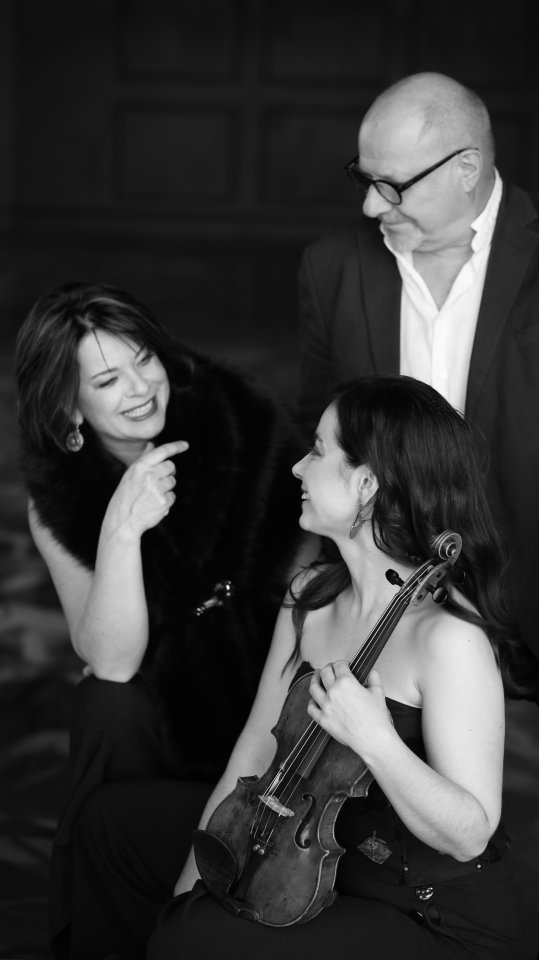
The Smetana Trio is one of the most important Czech chamber ensembles, moreover boasting the longest history. It builds on the legacy of pianist Josef Páleníček, who established the ensemble more than ninety years ago, in 1934. Today it comprises three superb musicians who share first-rate skills as soloists and an exceptional sense of coordination and interaction as chamber musicians: pianist Jitka Čechová, violinist Markéta Janoušková and cellist Jan Páleníček. The trio’s repertoire incorporates a broad spectrum of works from the Czech classics to music of the 20th century. They have garnered numerous prestigious awards for their recordings. In addition to the above-mentioned BBC Music Magazine Awards these include the French Diapason d’Or and the Choc du Monde de la Musique. “The Smetana Trio gives a wonderfully refined performance which is yet strong and energetic,” wrote the British magazine Gramophone in a review of the ensemble’s recording of Czech music, which incidentally also features Bohuslav Martinů’s Piano Trio No. 2.
The trio will open their Prague Spring programme with one of the most exquisite chamber works by Viennese classic Joseph Haydn (1732–1809), with its charming first movement, lyrical second movement and the temperamental closing Rondo all’Ongarese, or “Hungarian Rondo”, inspired by Romany folk music. This will be followed by the premiere of a new work commissioned by the Prague Spring from composer and pianist Jan Dušek (*1985), who is recognised as an artist combining tradition with an innovative approach. The second half will begin with Piano Trio No. 2 by Bohuslav Martinů (1890–1959), which the composer wrote while in exile in New York at the beginning of 1950. Martinů is one of the ensemble’s sovereign composers; for their complete recording of his piano trios the Smetana Trio earned their second BBC Music Magazine Award in 2017. “We’re absolutely delighted, on two counts, in fact. Especially since, on the international concert scene, many more doors are opening up to the specific music of Bohuslav Martinů,” Jitka Čechová stated at the time. The evening will close with a masterpiece by Felix Mendelssohn (1809–1847), Piano Trio No. 2 in C minor. It was written over the course of a single month in the spring of 1845 during the composer’s sojourn at Soden near Frankfurt, where he then spent the summer as described in a letter to his sister Fanny: “This life […] without dress coat, without piano, without visiting cards, without carriage and horses; but with donkeys, with wild flowers, with music-paper and sketch-book, with Cécile and the children, this life is doubly refreshing”. The work, whose last movement quotes the chorale from the 1551 edition of the Genevan Psalter – Vor Deinen Thron tret’ ich hiermit (Before Thy throne I now appear), is distinctive for the considerable difficulty of the piano part, which the composer described with his famed humility as “Ein bißchen eklig” (“A bit nasty”).
Jan Dušek (*1985) was already making a name for himself as a composer during his studies at the Academy of Performing Arts in Prague, particularly in the “Generation” composers’ competition, where he won first prize twice in a row. His most important works include the cycle Chalomot yehudi’im (Jewish Dreams) for soprano, clarinet, cello and strings, which won the Gideon Klein Foundation Award and the NUBERG competition’s Audience Prize. Jan Dušek collaborates on a regular basis with renowned ensembles such as the Nederlands Blazers Ensemble, the Prague Philharmonic Choir, the Berg Orchestra and the Prague Philharmonia. In 2020 he wrote a compulsory work for solo clarinet for the Prague Spring Competition entitled Unsent Letter, which was also performed in 2025 at the festival organised by the International Society for Contemporary Music (ISCM) in Portugal.