Closing Concert
Festival Partner and Concert Partner

Programme
- Ludwig van Beethoven: Missa solemnis in D major Op. 123
Performers
- Prague Symphony Orchestra
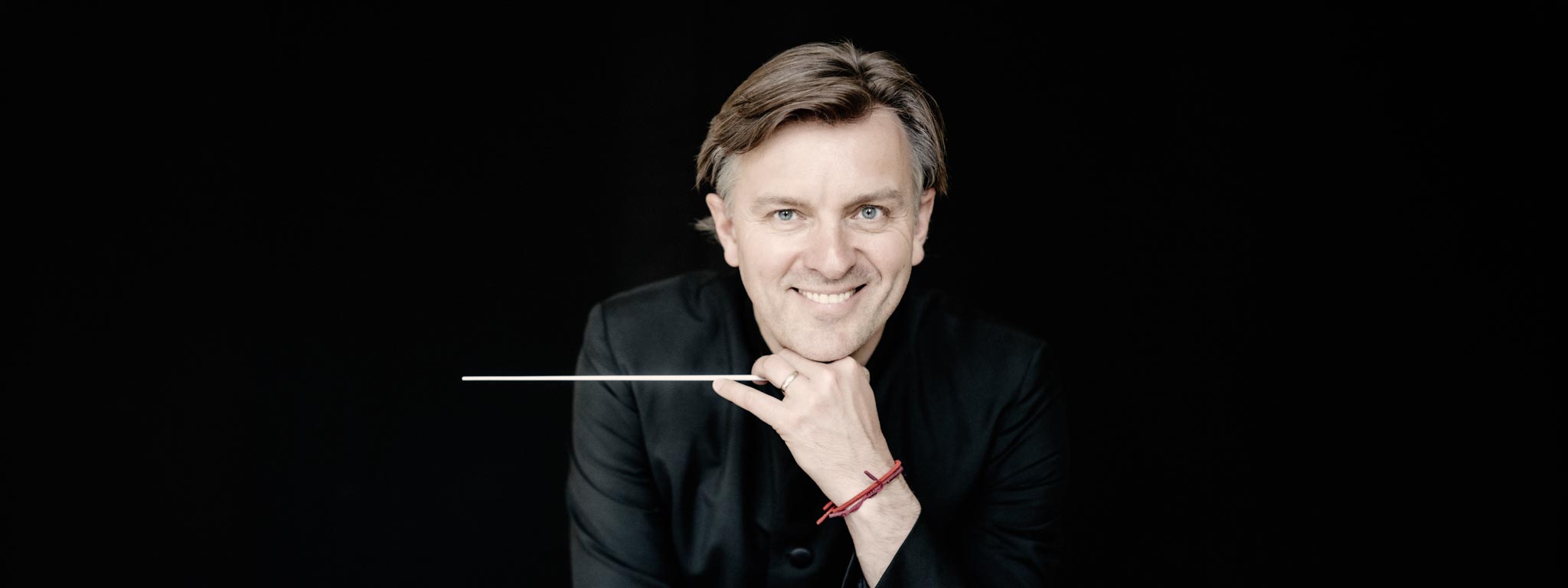
- Tomáš Netopil – conductor
- Slovak Philharmonic Choir
- Petra Torkošová – choirmaster
- Mari Eriksmoen – soprano
- Bettina Ranch – mezzo-soprano
- Maximilian Schmitt – tenor
- David Steffens – bass
Dress code: Black Tie
#MeetBeethovenLive
1819–1823 | Missa solemnis
The sun had probably not yet risen when I put on my old, shabby coat early one morning and went out onto the sleepy streets of Vienna. My morning walk, however, did not end well. I was arrested and spent the whole day in jail because I allegedly resembled a beggar who was peeking into people’s windows! I, Beethoven! What did I care about others when I was carrying the greatest work of my life in my head – the Missa solemnis!
I note your surprise – A mass? Beethoven? Naturally, you are puzzled; my character suggests something quite different, but do not be mistaken: I have always believed in the existence of an all-powerful, divine being. However, I was nourished too much by the Enlightenment to blindly accept any dogma. For me, God has always been the embodiment of everything divine in man and in nature. I bow before this Creator, as expressed in the words written in the score of the Missa solemnis: “Von Herzen – möge es wieder zu Herzen gehen!” (From the heart – may it return to the heart!).
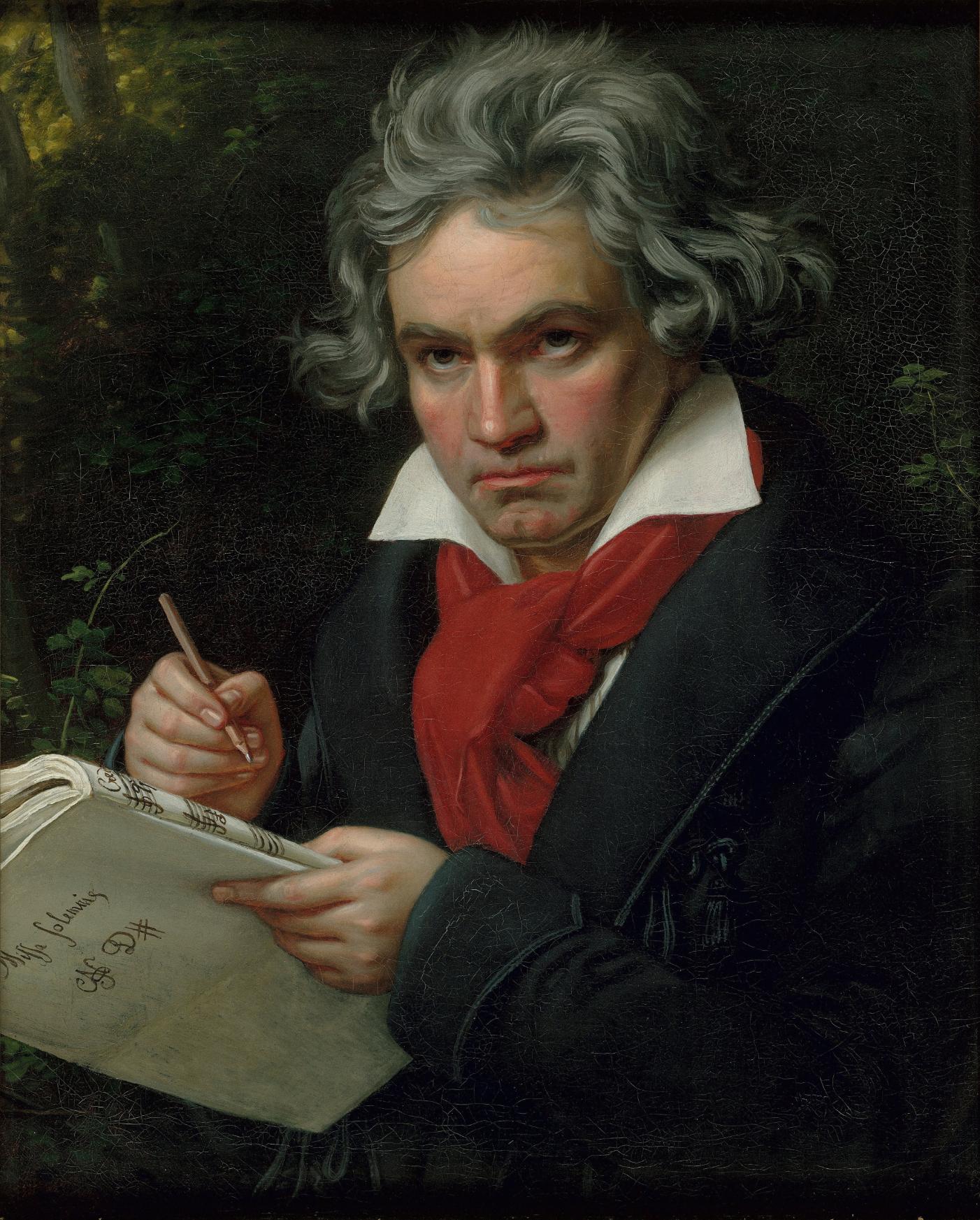
It took me four years to write the mass, from 1819 to 1823 and, by way of preparation, I studied compositions by Palestrina and the great Baroque masters, Händel and Bach. I was filled with regret that I did not complete it in time for the investiture of my cherished friend Archduke Rudolph as Archbishop of Olomouc. However, it would have been a formidable task in many respects and my dear Rudolph has certainly forgiven me by now. I was in the midst of a guardianship battle at the time, endeavouring to gain custody of my nephew Carl. Furthermore, because of my beliefs, I was even a target for the secret police. Yes, how low the Austrian monarchy has fallen beneath the iron grip of Prince Metternich!
So, how did it all turn out? Surprisingly, the premiere of Missa solemnis took place in St Petersburg in 1824, organised by one of my Russian patrons, Prince Nikolai Borisovich Golitsyn. I have never heard the entire Missa myself; together with the Ninth Symphony, I only performed three parts in Vienna: the Kyrie, Credo and Agnus Dei. The first complete performance of Missa solemnis within the Habsburg monarchy is accredited to a music teacher from Varnsdorf in Bohemia, Johann Vincenc Richter, who conducted the work in a local church on the 29th of June 1830. I am deeply honoured that this piece has been chosen to close the magnificent Prague Spring festival in 2027!

Together with your ticket you will also receive a Prague Spring Beethoven pass featuring a range of experiences.. 9 symphonies – 9 benefits
You might be interested in
Levit & Fischer & Czech Philharmonic
Ádám Fischer’s triple debut, in which the temperament of works by Ludwig van Beethoven encounters the elegant music of Joseph Haydn. Together with your ticket you will also receive a Beethoven pass featuring a range of experiences.
Levit & Capuçon & Hagen
Piano trios by Beethoven and Brahms in a first-rate performance by Igor Levit, Renaud Capuçon and Julia Hagen, plus a Beethoven pass featuring a whole range of experiences on top of that!
Hrůša & Bamberger Symphoniker: Beethoven 8 & 9
Discover Ludwig van Beethoven through performances of his complete symphonies and get a Beethoven pass offering a range of experiences. We’ll bid farewell to the ticking metronome in Symphony No. 8 and to the Ninth with the Ode to Joy!
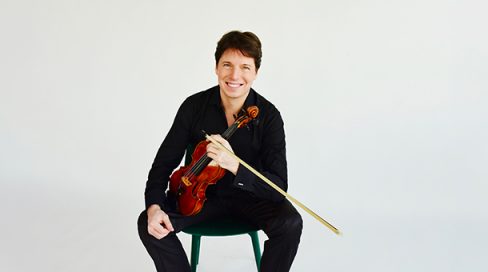
Joshua Bell & Verbier Festival Chamber Orchestra
One of the world’s finest chamber ensembles makes its debut at the Prague Spring together with American violinist Joshua Bell, who will perform Beethoven’s Violin Concerto on his Stradivarius.