
Lucas & Arthur Jussen I
The finest piano duo on the scene today in collaboration with the legendary British orchestra Academy of St Martin in the Fields.
Programme
- Johann Christian Bach: Sinfonia in G minor Op. 6 No. 6
- Johann Sebastian Bach: Concerto for Two Pianos and Orchestra in C minor BWV 1060
- Wolfgang Amadeus Mozart: Concerto for Three Pianos and Orchestra in F major KV 242
- Wolfgang Amadeus Mozart: Symphony No. 29 in A major KV 201
Performers
- Academy of St Martin in the Fields
- Tomo Keller – leader
- Lucas & Arthur Jussen – piano
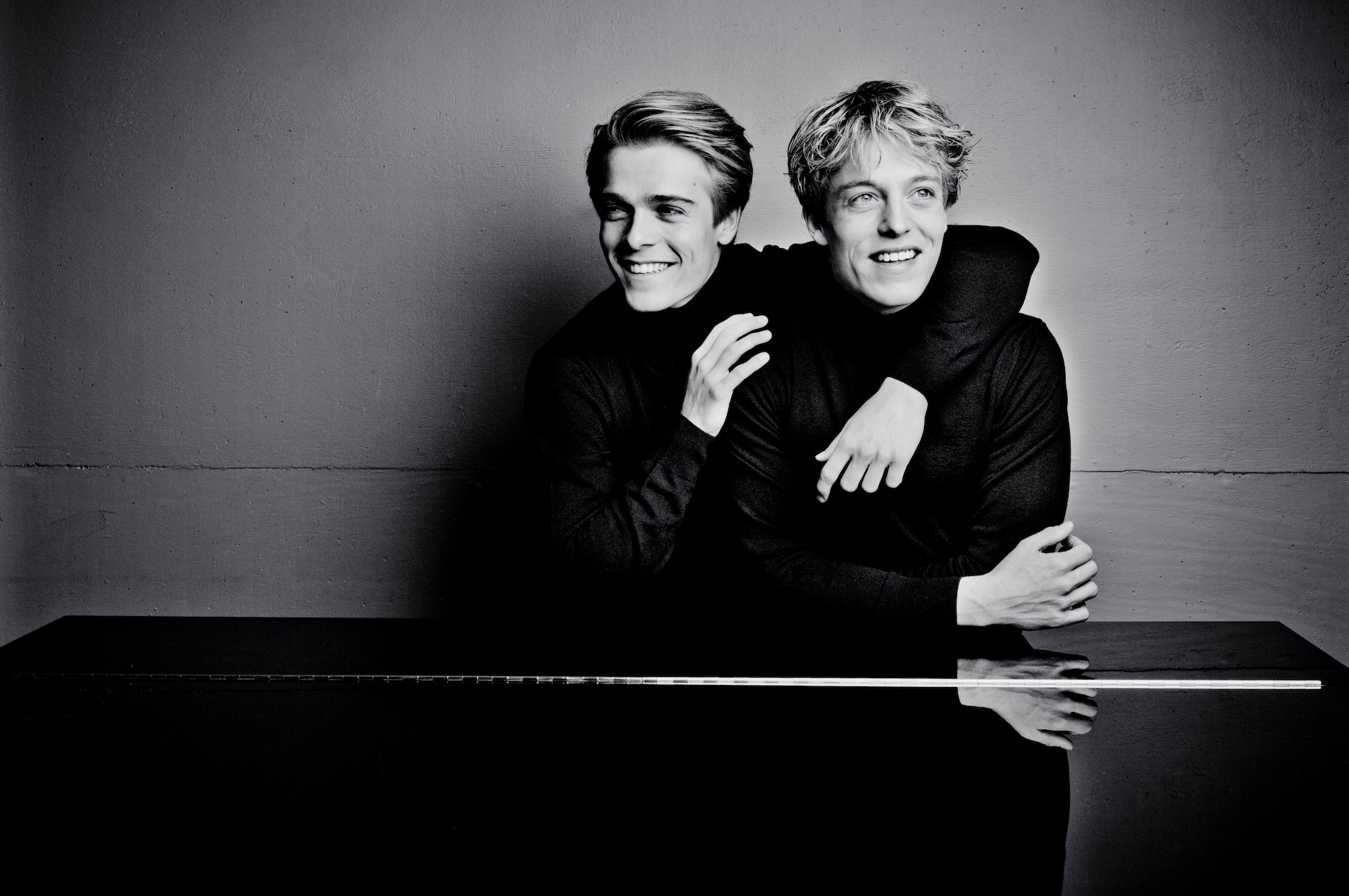
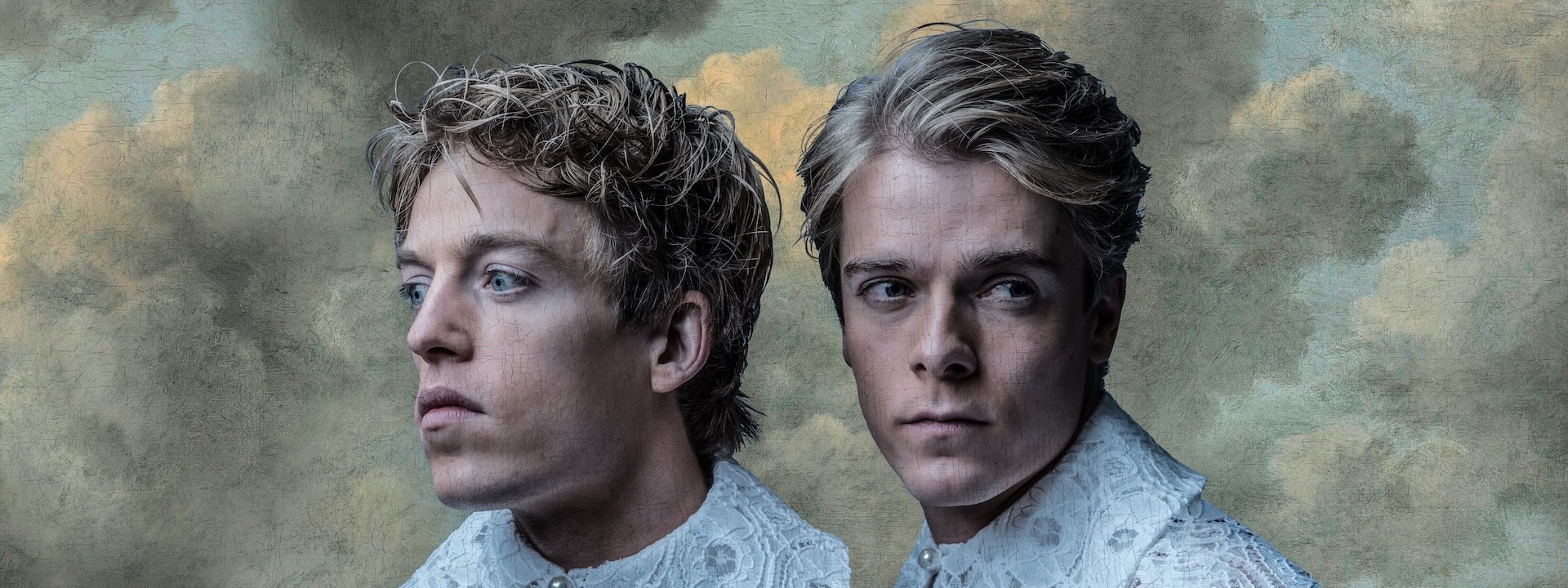
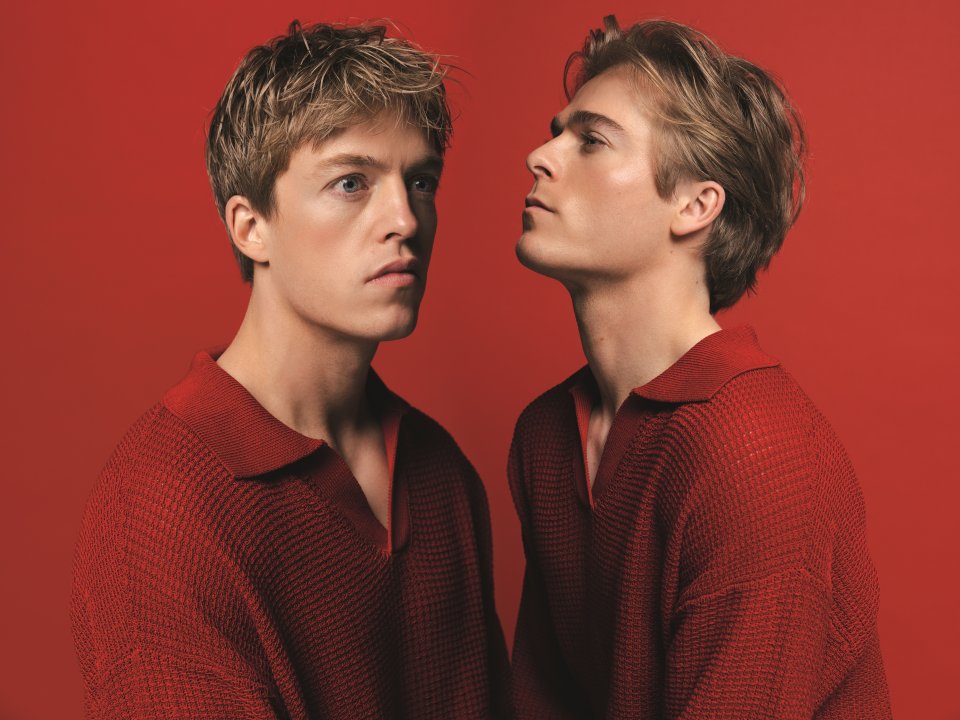
Three composers, two pianists, one exceptional orchestra. This is what’s on offer for the first of the festival concerts given by the finest piano duo on the scene today – brothers Lucas and Arthur Jussen – in collaboration with the legendary British orchestra Academy of St Martin in the Fields. The Dutch pair, who incidentally are making their debut with the Berlin Philharmonic this season, will be returning to the Prague Spring on 3 June, when they will present a programme of music of the 20th and 21st centuries for two pianos and percussion, including the celebrated West Side Story. Their first concert, however, heads in quite a different direction: to the realms of the high Baroque and Classicism. The programme features works by Johann Sebastian Bach, Johann Christian Bach, known as “the London Bach”, and Wolfgang Amadeus Mozart. The Jussen brothers will perform the latter’s Piano Concerto No. 7, originally written for three pianos and orchestra and later revised by Mozart as a technically more challenging, virtuosic piece for two pianos, the version which will be performed at the Prague Spring.
“Brace yourselves for the compressed edge-of-the-seat drama of its first movement, the unsettlingly emotional slow movement, and the minor-key rocket of the finale, propelled by horn-calls and explosions in the upper strings.” This is a critic from The Guardian describing Sinfonia in G minor by Johann Christian Bach (1735–1782), the youngest son of Johann Sebastian Bach. The composer’s only symphony in a minor key, written in 1769 in the spirit of the pre-Romantic movement Sturm und Drang (Storm and Stress), appeared a mere four years before Symphony No. 29 in A major K 201 by Wolfgang Amadeus Mozart (1756–1791). Mozart, then eighteen years old, composed the work while he was still in Salzburg and it reflects his lengthy stay in Vienna in the summer of 1773, after which his symphonic style to date, influenced by Johann Christian Bach, radically changed. Lovers of Mozart’s music consider this symphony as the loveliest and most romantic of his early works, and it will be wonderful to hear its interpretation by the Academy of St Martin in the Fields, one of the world’s most qualified ensembles in this type of repertoire.
Of Mozart’s six hundred opuses, which are calculated to have covered more than eight kilometres of manuscript paper, we will also hear a concerto intended originally for three pianos; it was commissioned by Countess Maria Antonia Lodron, one of Mozart’s patrons, who also premiered the work in Salzburg in 1776 together with her daughters Giuseppa and Aloysia. In 1780 Mozart reworked the piece, producing a technically more demanding version for two pianos. The composition incorporates soft, high notes which, according to certain scholars, imitate the sound of the glass harmonica, an instrument that was popular at the time. The last of the four works presented is the Concerto for two harpsichords in C minor, BWV 1060, performed here on two pianos. It most likely originated as a reworking of a now-lost concerto for oboe and violin. The presumed original scoring is suggested by the somewhat different character of the two solo lines in the keyboard version – the part of the second harpsichord, probably intended originally for the oboe, is less figurative and more cantabile in nature than that of the first. The outer movements possess an excited, dramatic atmosphere. In them Bach makes striking use of the sound contrast between tutti and solo passages. The soloists also enter independently within the ritornellos, almost in the manner of an echo. By contrast, the slow central movement unfolds as an imitative dialogue between the two soloists. The delicate pizzicato accompaniment of the orchestra further enhances its pastoral mood.
When the Dutch brothers Lucas and Arthur Jussen gave their debut in the Czech Republic in 2023 at the Rudolf Firkušný Piano Festival, it was essentially regarded as the music event of the year. The concert in the packed Rudolfinum delighted public and critics alike. “Their performance of La valse was so phenomenal that the audience was already giving them a standing ovation after the first half of the concert,” wrote reviewer Věroslav Němec for Harmonie magazine. The likeable brothers, whom many consider the best piano duo in the genre’s history, have performed as soloists with leading world orchestras, including the Boston and Chicago Symphony Orchestras and the Royal Concertgebouw Orchestra, and they have collaborated with such conducting names as Andris Nelsons, Yannick Nézet-Séguin, Sir Neville Marriner and Iván Fischer. The Jussens record exclusively for Deutsche Grammophon. They released their first album featuring music by Ludwig van Beethoven in 2010 while they were still teenagers. They recorded Mozart’s double piano concertos – one of which will be performed at the Prague Spring – for the same label in 2016, joining forces with the Academy of St Martin in the Fields under Sir Neville Marriner, and the British magazine Gramophone was quick to include this project among the fifty best Mozart recordings of all time.
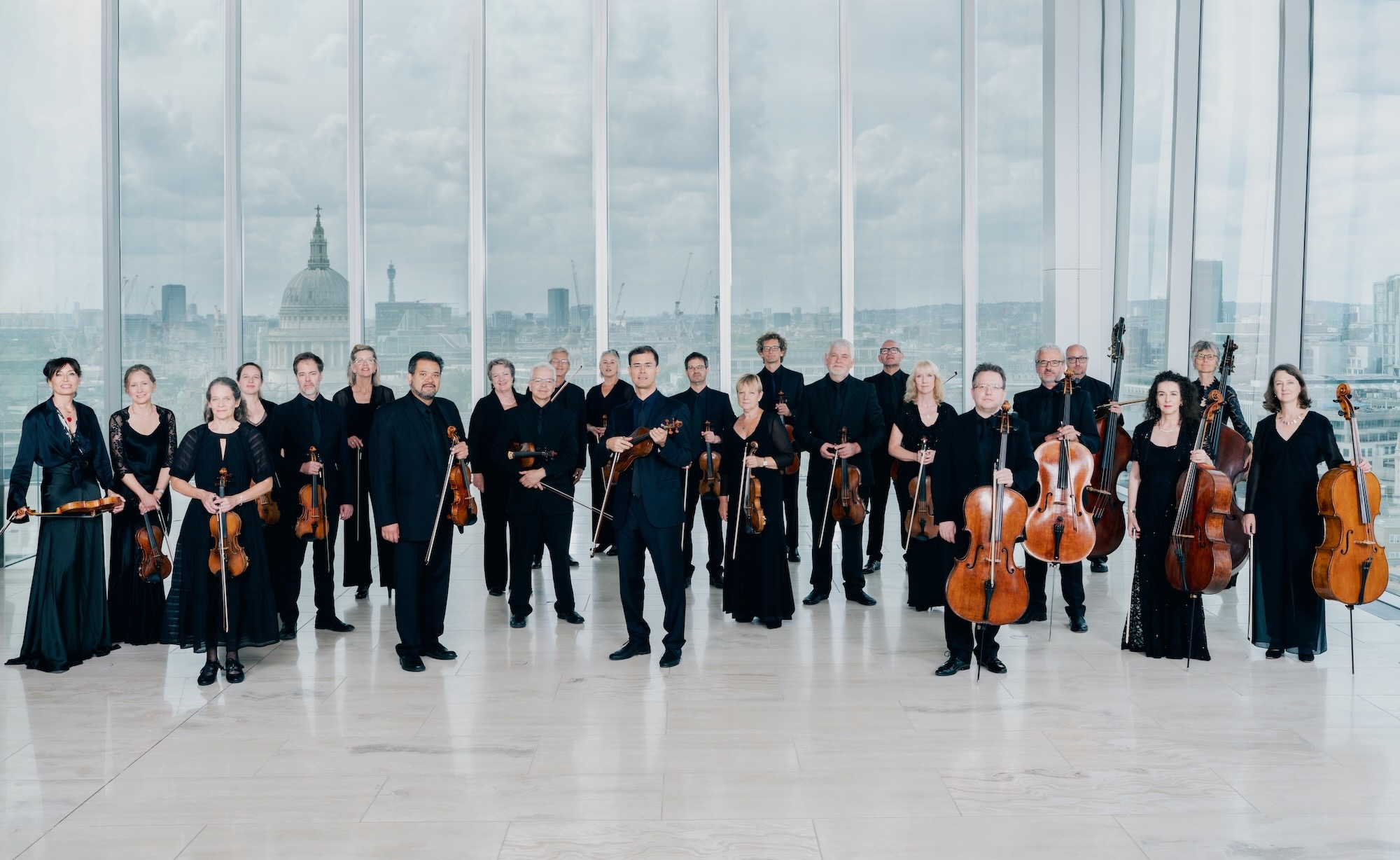
The Academy of St Martin in the Fields was founded in 1959 by conductor Sir Neville Marriner and is named after the church on Trafalgar Square in London (St Martin-in-the-Fields Church), the site of the ensemble’s very first concert. The repertoire of this, one of the finest chamber orchestras in the world focuses principally on music of the Baroque and Viennese Classicism, while the public at large became more aware of them thanks to the Oscar-winning film Amadeus by Miloš Forman, whose music score was recorded in its entirety by the Academy under Marriner’s direction; the soundtrack subsequently earned thirteen Gold Discs. It is interesting to note that the partnership between the ensemble and its founder gave rise to the greatest number of recordings that any conductor has ever made with a single orchestra. It was also with Neville Marriner that the Academy first appeared at the Prague Spring in 1975. American pianist and conductor Murray Perahia was appointed the orchestra’s Principal Guest Conductor in 2000, and in 2011 American violinist Joshua Bell was named its Music Director. The prestige and stature the ensemble enjoys in Great Britain are also reflected in the fact that it is the first and only orchestra ever to have been granted the Queen’s Award for Export Achievement.