

Barbara Hannigan & Belcea Quartet
Mozart, Hindemith, Schoenberg, and Webern. A harmonic blend of human voice and string quartet in works by four musical visionaries. Breathe in “air from another planet”.
Programme
- Anton Webern: Five Movements Op. 5
- Wolfgang Amadeus Mozart: String Quartet No. 19 in C major “Dissonance” KV 465
- Paul Hindemith: Melancholie op. 13
- Arnold Schönberg: String Quartet No. 2 Op. 10
Performers
- Barbara Hannigan – soprano
- Belcea Quartet
- Corina Belcea – violin
- Suyeon Kang – violin
- Krzysztof Chorzelski – viola
- Antoine Lederlin – violoncello
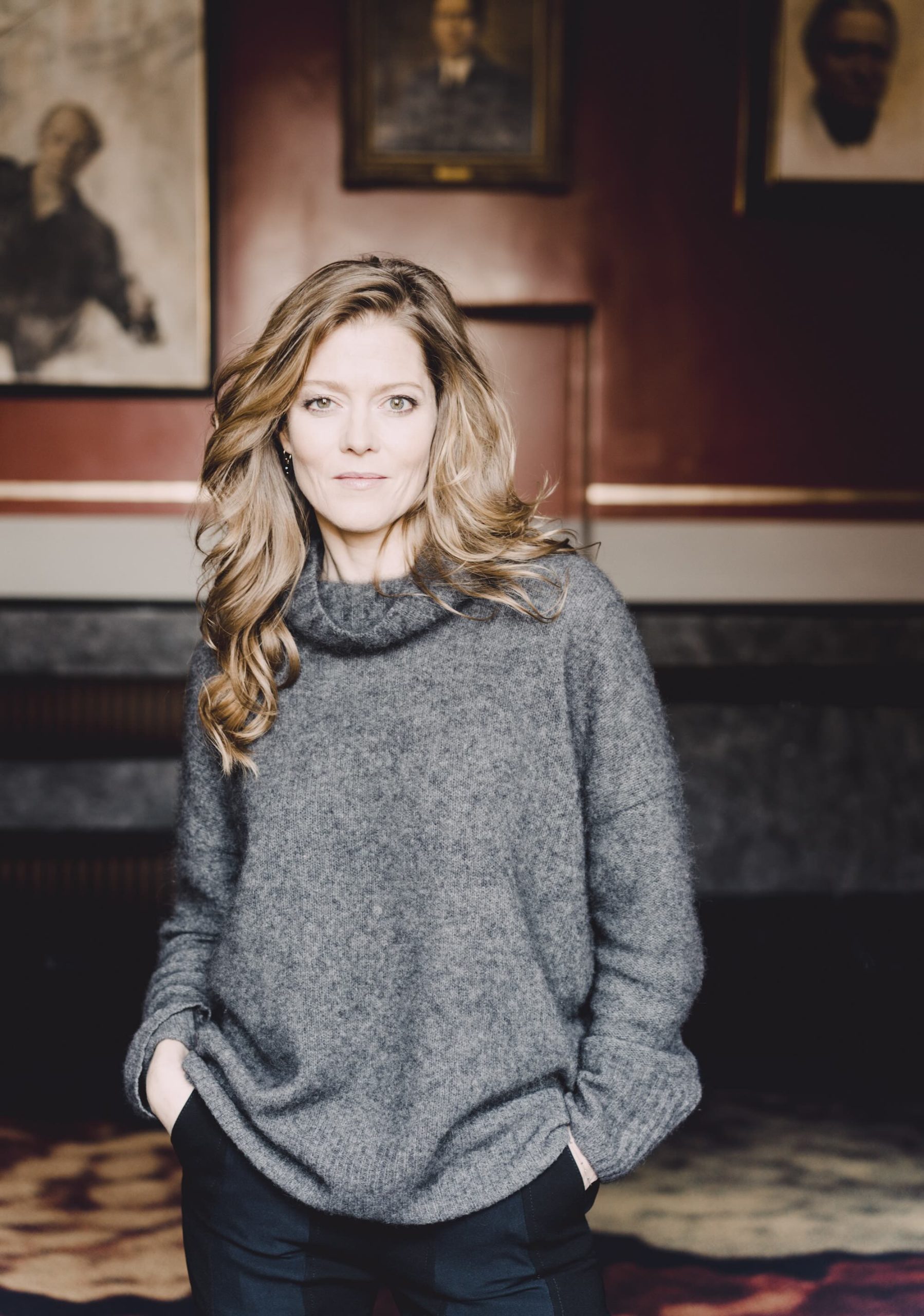
Artist-in-Residence of the Prague Spring 2026 Barbara Hannigan is one of the most original figures in the sphere of classical music. With her typical courage and determination she sings and also conducts, she inspires the finest contemporary composers in their endeavours, and she creates unique projects which go far beyond the customary concert experience. Born in Canada, she has performed the premieres of more than one hundred works. She collaborates with some of the world’s most distinguished conductors and orchestras, including the Berlin Philharmonic. She is Principal Guest Conductor of the Gothenburg Symphony Orchestra, she holds the positions of Associate Artist of the London Symphony Orchestra and the Première Artiste Invitée of the Orchestre Philharmonique de Radio France, and in the autumn of 2026 she will take up her post as Chief Conductor and Artistic Director of the Iceland Symphony Orchestra. Her exceptional artistic achievements are moreover reflected in a number of prestigious awards, among them a Grammy Award, the title Artist of the Year from Gramophone magazine, and the Polar Music Prize 2025, a Swedish international award established by music publisher and manager of ABBA Stig Anderson, which she won together with jazzman Herbie Hancock and the rock band Queen. Her Prague Spring residency will consist of four concerts.
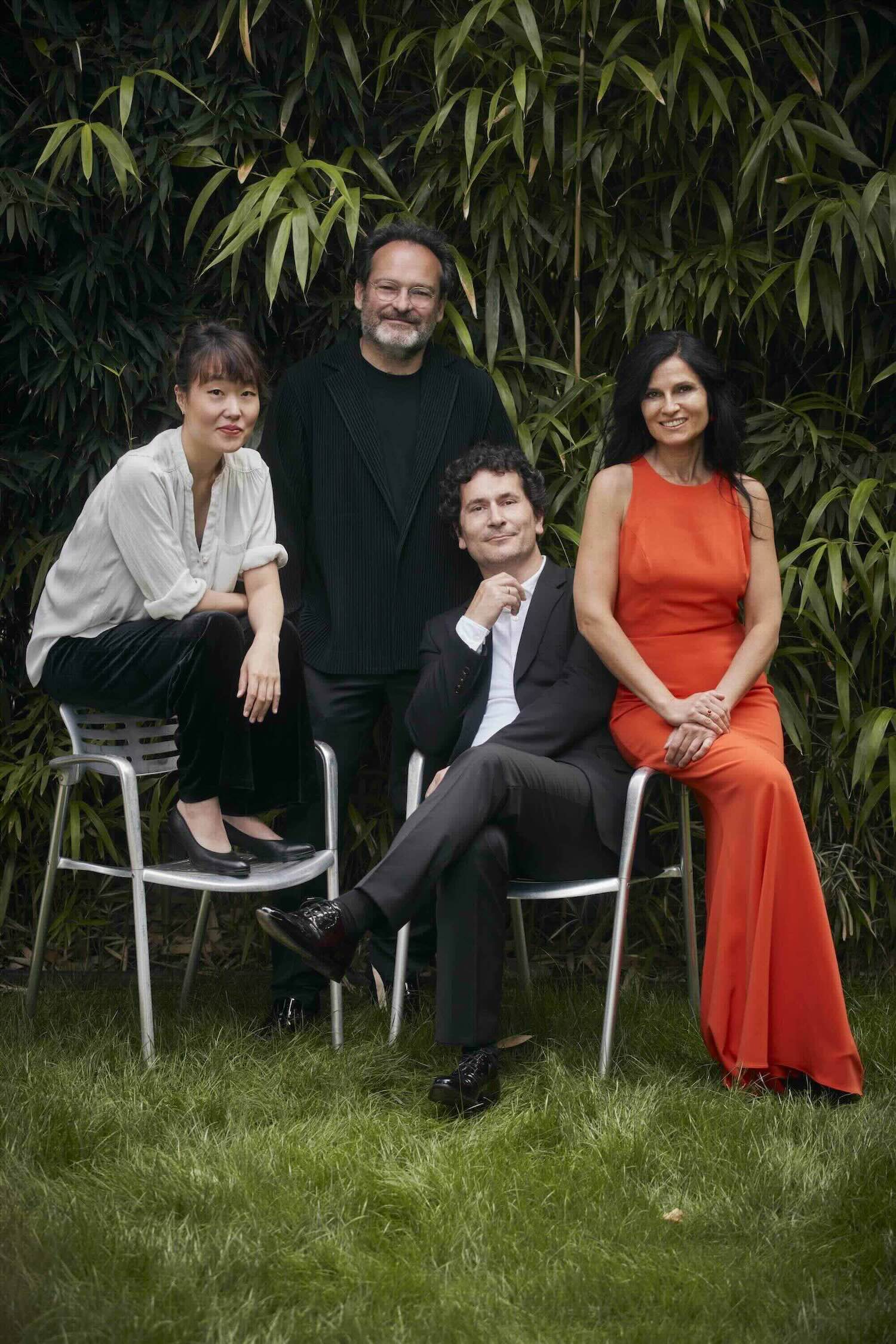
The second project of her artistic residency at the Prague Spring is also the festival debut of the Belcea Quartet. The string quartet, which was formed in 1994 at the Royal College of Music in London, is today one of the world’s most highly respected chamber ensembles. They regularly appear in London’s Wigmore Hall, at the Théâtre des Champs-Elysées in Paris, New York’s Carnegie Hall and Vienna’s Konzerthaus. In the years 2017–2020 the quartet was Ensemble-in-Residence at the Pierre Boulez Saal in Berlin. The German daily Hamburger Abendblatt wrote that “the Belcea Quartet plays concerts for eternity.”
The first half of the concert will feature the Belcea Quartet, which is renowned for its ability to combine flawless unity of sound and intonation with a supremely natural expression. The purely Central European programme will open with Five Movements Op. 5 by Anton Webern (1883–1945), an exceptional work which, more than a century after it was written, continues to impact audiences with its boldness, concentration of expression and enchanting eloquence. The five musical miniatures (the fourth part lasts only a few seconds) for string quartet from 1909 is a prime example of Webern’s ability to link up individual musical elements to form a crystal-clear single entity. A pioneer of so-called Klangfarbenmelodie, he creates new worlds of sound, among others, by placing all manner of technical demands on the players with the aim of exploiting the sound of the instruments and bringing out the maximum that they are capable of. The result is a composition that combines musical asceticism with elegance of line and colour, and moments of utmost tenderness with extreme intensity of sound. Webern’s specific world of sound is followed by the music of Wolfgang Amadeus Mozart (1756–1791), namely one of his loveliest string quartets known as “Dissonance” for its unusual harmonic introduction. The piece is part of a collection of six quartets which the composer wrote between the years 1782–1785 and dedicated to Joseph Haydn.
In the second half of the concert the Belcea Quartet will be joined by Barbara Hannigan. They will first present the cycle Melancholie Op. 13 by German composer Paul Hindemith (1895–1963), written to verse by Christian Morgenstern. “Hindemith’s Melancholie is a score I have carried around for many years, waiting for the right moment to explore it, ever since my beloved colleague Reinbert de Leeuw told me about it,” says Hannigan, referring to the late Dutch conductor and pianist, who was her music partner for many years. “Though rarely performed, this work is heartfelt and heartbreaking. […] It’s a gem of a piece,” Hannigan adds.
“I feel air from another planet,” wrote German Symbolist poet Stefan George in a poem set to music by Arnold Schoenberg (1874–1951) in String Quartet No. 2 Op. 10, which features a soprano solo in the last two movements. It was as if George were articulating a thought that Schoenberg was trying to convey in his music for the very first time – namely the desire for new, unbridled expression. Schoenberg wrote the work during an emotional time in his life, when his wife Mathilde was conducting an affair with the artist Richard Gerstl, which culminated in the latter’s suicide. The composer, himself a visual artist, also began increasingly to shape his aesthetic visions in his paintings, through which he aligned himself with the Expressionist movement. His departure from late Romantic musical thinking is symbolically reflected in the quartet via a quotation of the folk song O du lieber Augustin, alles ist hin (Oh, you dear Augustin, all is lost). “It feels like that cool, soothing, extraterrestrial breeze is gently urging us away from what we knew and loved, including harmony,” states Barbara Hannigan, poetically commenting on the piece. Schoenberg’s quartet concludes a programme of compositions which, in their day, heralded new possibilities of musical expression. Works by four visionaries of music history.
Listen to a selection from the programme performed by Barbara Hannigan with the Emerson String Quartet