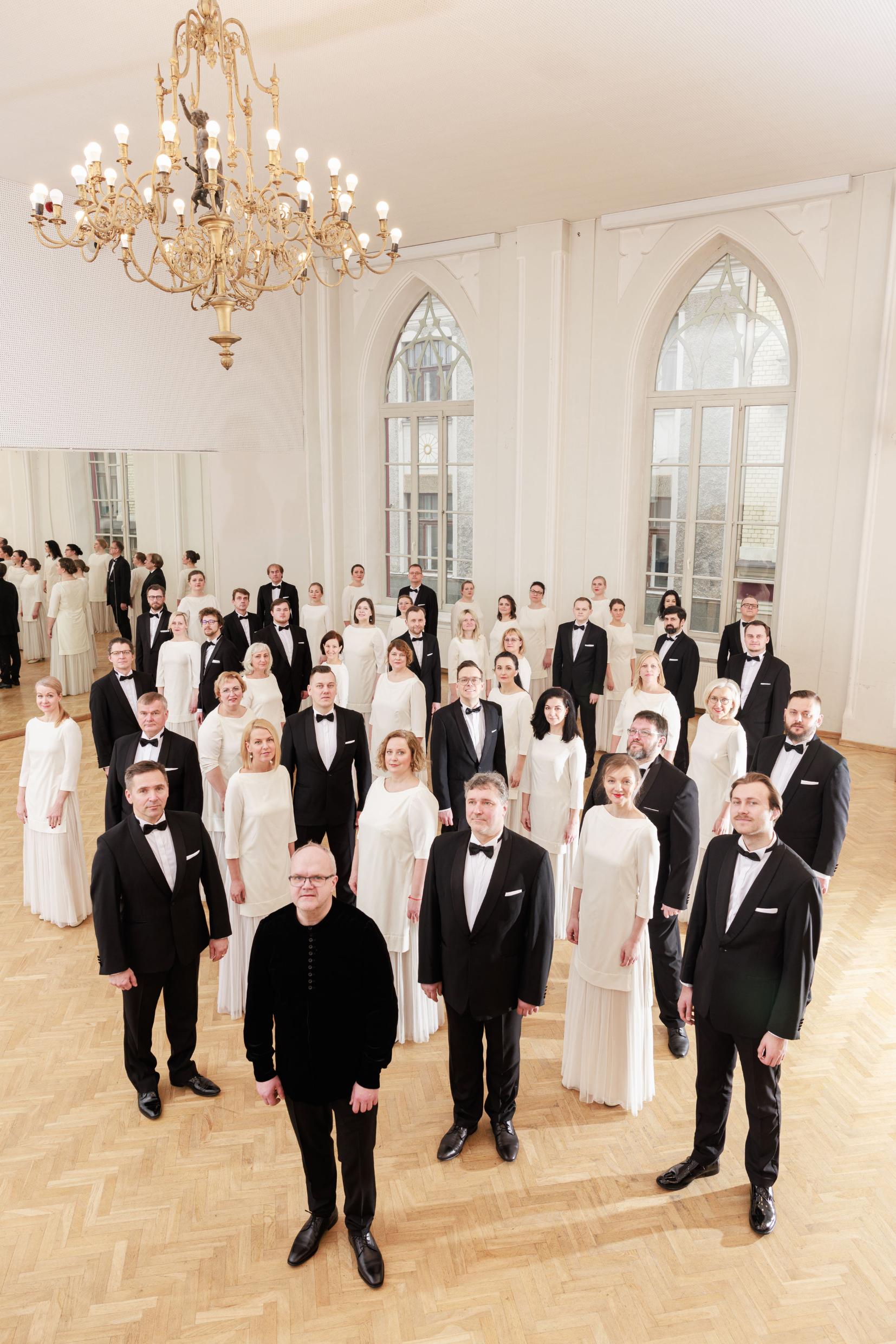
Iveta Apkalna & State Choir Latvija
After her stunning recital in 2024 Iveta Apkalna, one of the world’s most popular organists, returns with the State Choir LATVIJA in a programme featuring works dating from the Renaissance to the present day.
Programme
- Lionel Rogg: Deux Visions de l’Apocalypse, II. La Cité céleste
- William Byrd: Ave verum corpus
- Benjamin Britten: Te Deum in C
- Richard Dubra: Herr, bleib bei uns!
- Pēteris Vasks: Dona nobis pacem
- Johann Sebastian Bach: Fantasia G dur BWV 572
- Edward Elgar: Lux Aeterna after Nimrod from Enigma Variations Op. 36
- Henry Purcell: Hear My Prayer, O Lord Z 15
- Thierry Escaich: Deux Évocations, Évocation No. 2
- Thierry Escaich: Trois Motets pour 12 voix mixtes et orgue
- Henry Balfour Gardiner: Evening Hymn
Performers
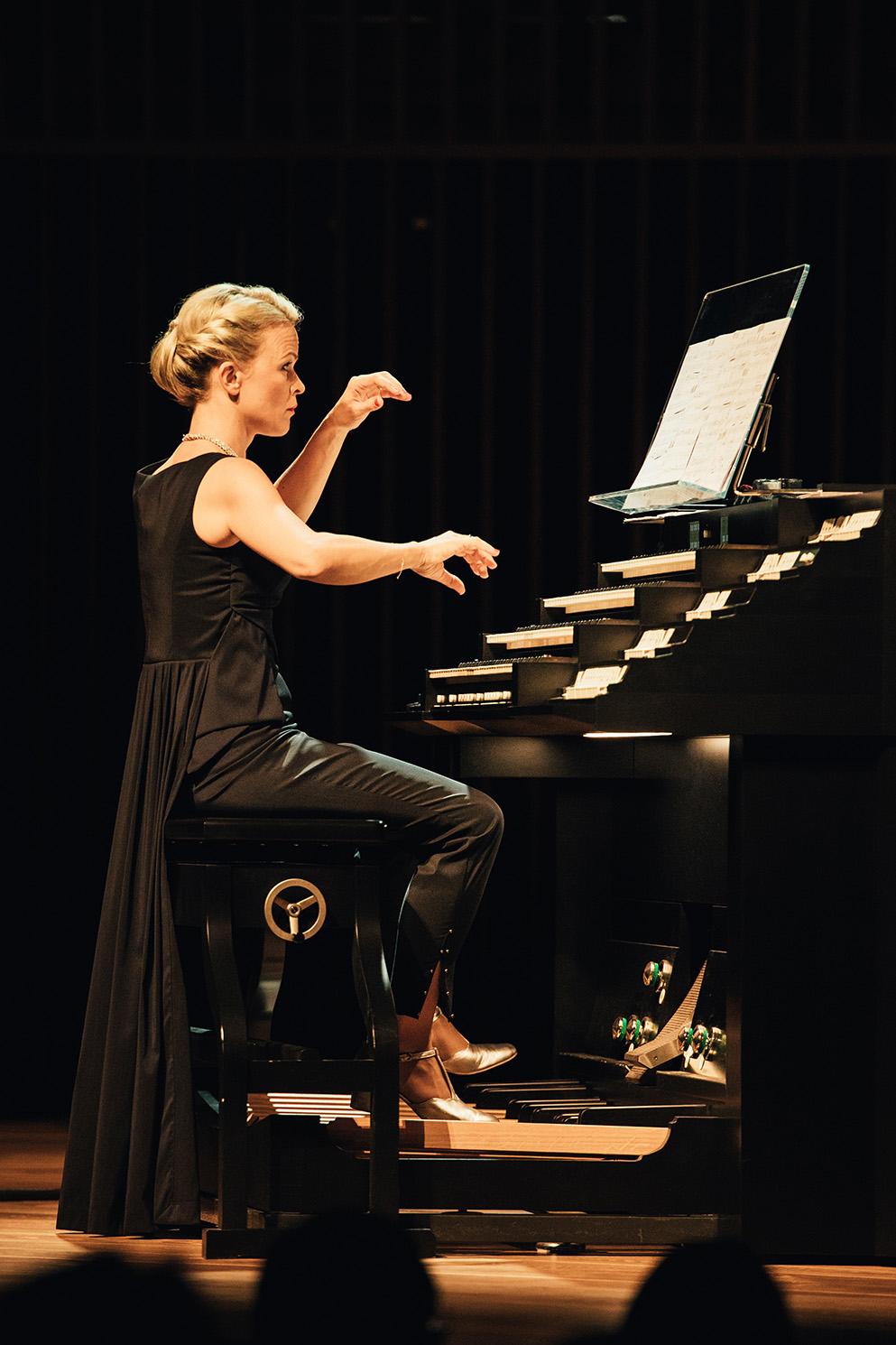
- Iveta Apkalna – organ
- State Choir LATVIJA
- Māris Sirmais – choirmaster
Mysticism, faith, the blending of the old and the new, crystalline polyphony and the “restless” keys of the twentieth and twenty–first centuries. These are the essential ingredients of the concert performed by two exceptional ambassadors of Baltic culture – the State Choir LATVIJA and the world-renowned Latvian organist Iveta Apkalna. “For me, this programme is about the power of hope,” says Apkalna. “Although these works were written in different centuries and cultural contexts, they are united by a shared longing for peace, consolation and light.” Within a spiritual arc encompassing works dating from the Renaissance to the present day the music will weave together three musical currents: the English choral tradition, the spirituality of France and the Baltic region, and the organ as the creator of a soundscape suspended between “light and dark”. Throughout the programme an important role is played by the “low C”, the lowest note on the organ’s pedalboard – the tonal centre connected to the cosmos, nature, light and God.

Programme guide
The journey into this world begins with the visionary work by Lionel Rogg (1936) La Cité céleste, inspired by the Book of Revelation. From here on the programme unfolds in prayer and contemplation as a kind of musical meditation. The intimate piece by William Byrd (1540–1623) Ave verum corpus and the joyful Te Deum by Benjamin Britten (1913–1976) are accompanied by the music of two of the most prominent contemporary Latvian composers: the contemplative piece by Rihards Dubra (1964) Herr, bleib bei uns! (Abide with Us) and the profoundly moving Dona nobis pacem by Pēteris Vasks (1946). We enter the second part of the programme with the monumental piece for solo organ Pièce d’Orgue by Johann Sebastian Bach (1685–1750). In its architectural splendour it forms a bridge to the stirring Lux Aeterna by Edward Elgar (1857–1934), inspired by the famous ninth variation Nimrod from the Enigma Variations. This is followed by the compelling piece by Henry Purcell (c. 1659–1695) Hear My Prayer, O Lord in an inventive arrangement by Sven-David Sandström and music by French composer and organist Thierry Escaich (1965), whose works are typical for their remarkable sound colour, rhythmical vitality and spiritual depth. The programme will end with Evening Hymn by Henry Balfour Gardiner (1877–1950), the great-uncle of conductor John Eliot Gardiner, creating a serene and vibrant atmosphere as it brings the concert to a close.
Ambassadors of Baltic music
Since her debut with the Berlin Philharmonic under Claudio Abbado in 2008, principal organist at the Elbphilharmonie Iveta Apkalna has appeared with some of the world’s most distinguished orchestras and she is a frequent guest at prestigious festivals and concert series. In 2025 music critics wrote that “she plays the queen of instruments and is herself a queen amongst queens.” The State Choir LATVIJA, which marks its 85th anniversary in 2027, is the largest professional choir in the Baltics. It regularly collaborates with such conductors as Andris Nelsons, Zubin Mehta, Neeme and Paavo Järvi, Jaap van Zweden and Kent Nagano. In 2013 the choir joined the Royal Concertgebouw Orchestra and Mariss Jansons on a world tour to mark the 125th anniversary of the orchestra’s founding. The ensemble is performing at the Prague Spring in its Czech debut.