Mutter, Razavi, Soltani & Luisi & DR Symfoniorkestret
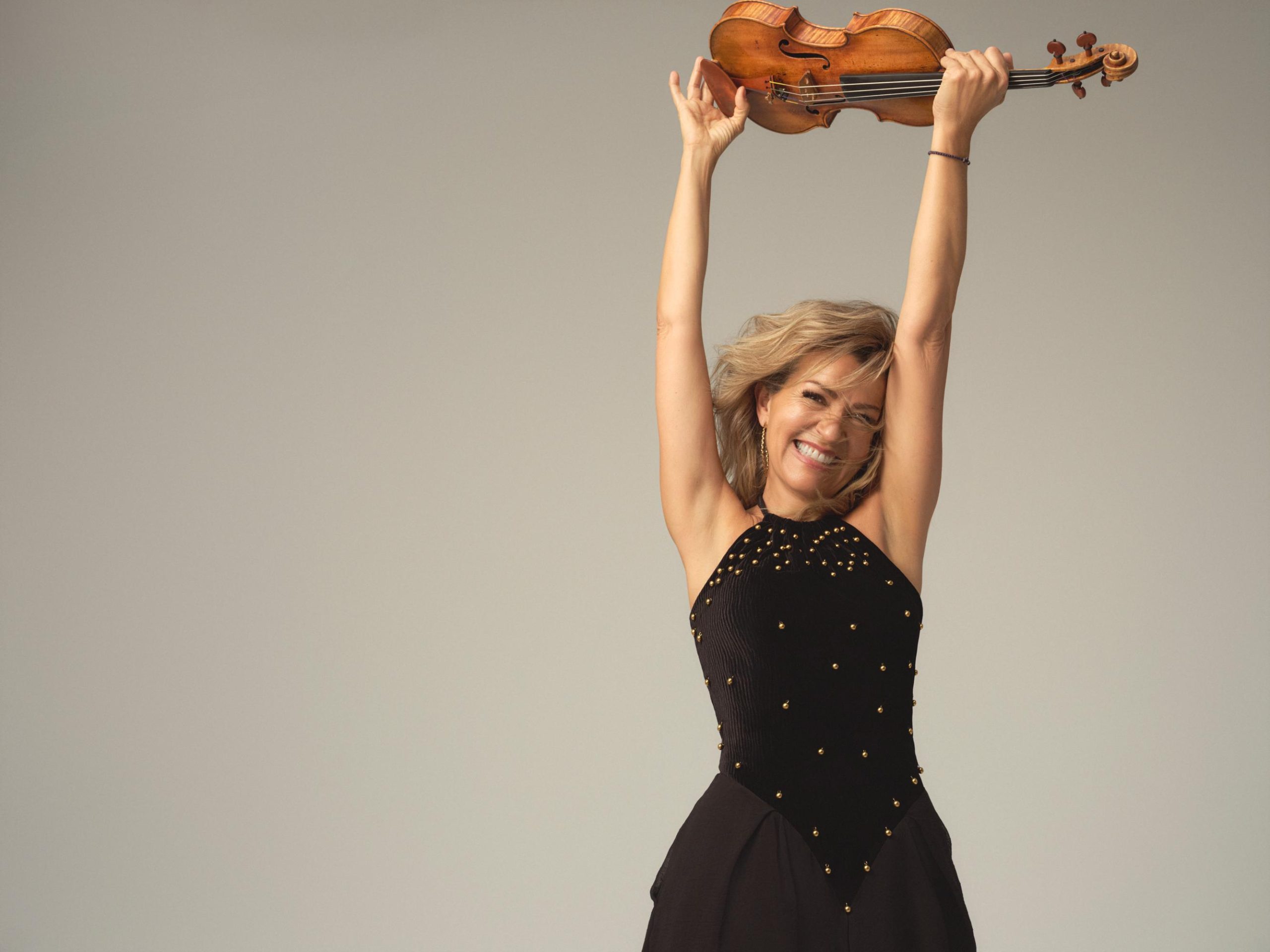
After an absence of seventeen years, Anne-Sophie Mutter returns to the Prague Spring to perform together with Muriel Razavi and Kian Soltani the Czech premiere of the triple concerto Arch of Light by Iranian composer Golfam Khayam.
Programme
- Carl Nielsen: Helios Overture Op. 17
- Golfam Khayam: Arch of Light. Triple Concerto for Violin, Viola, Cello and Orchestra
- Petr Iljič Čajkovskij: Symphony No. 6 in B minor Op. 74 “Pathétique”
Performers
- Danish National Symphony Orchestra
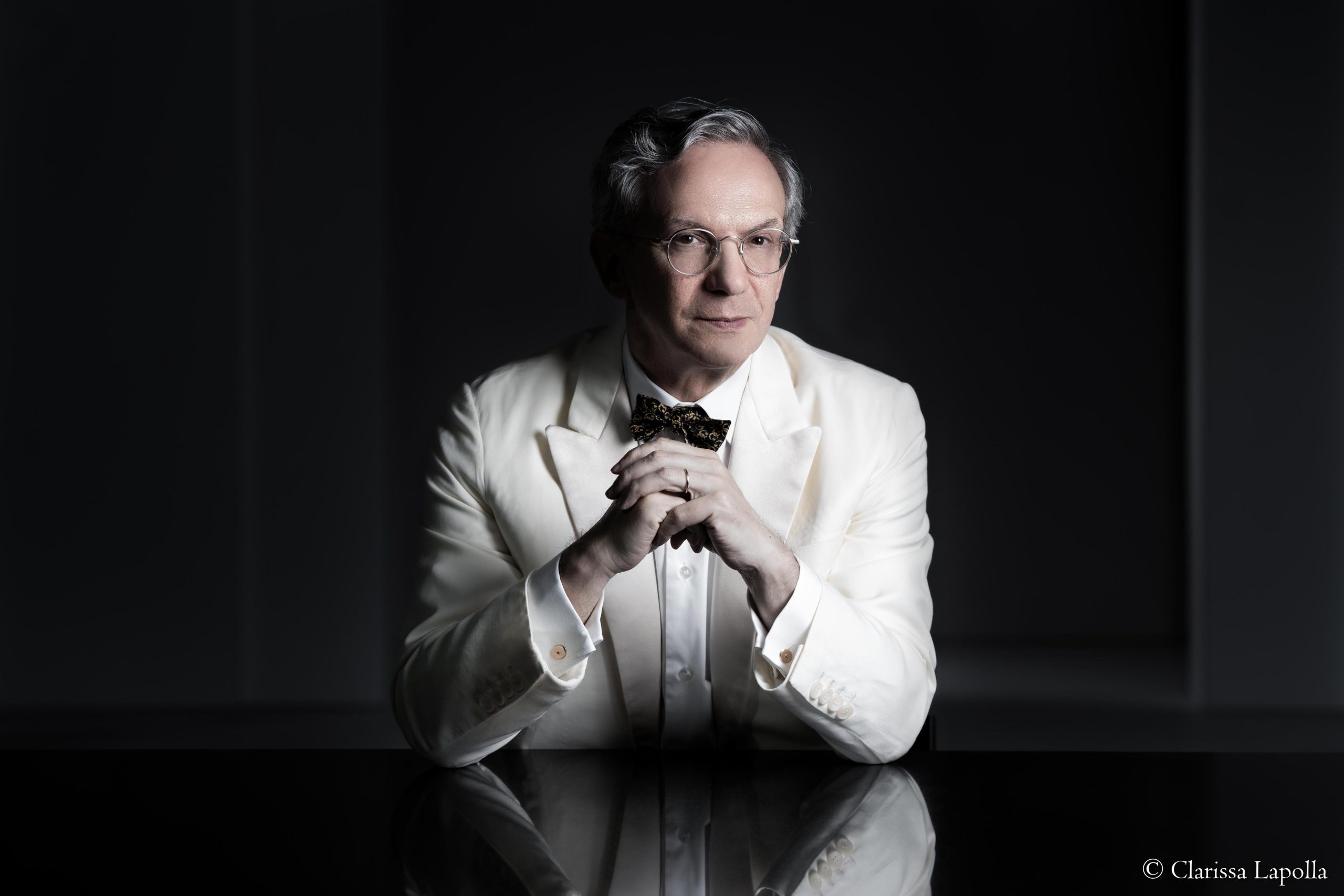
- Fabio Luisi – conductor
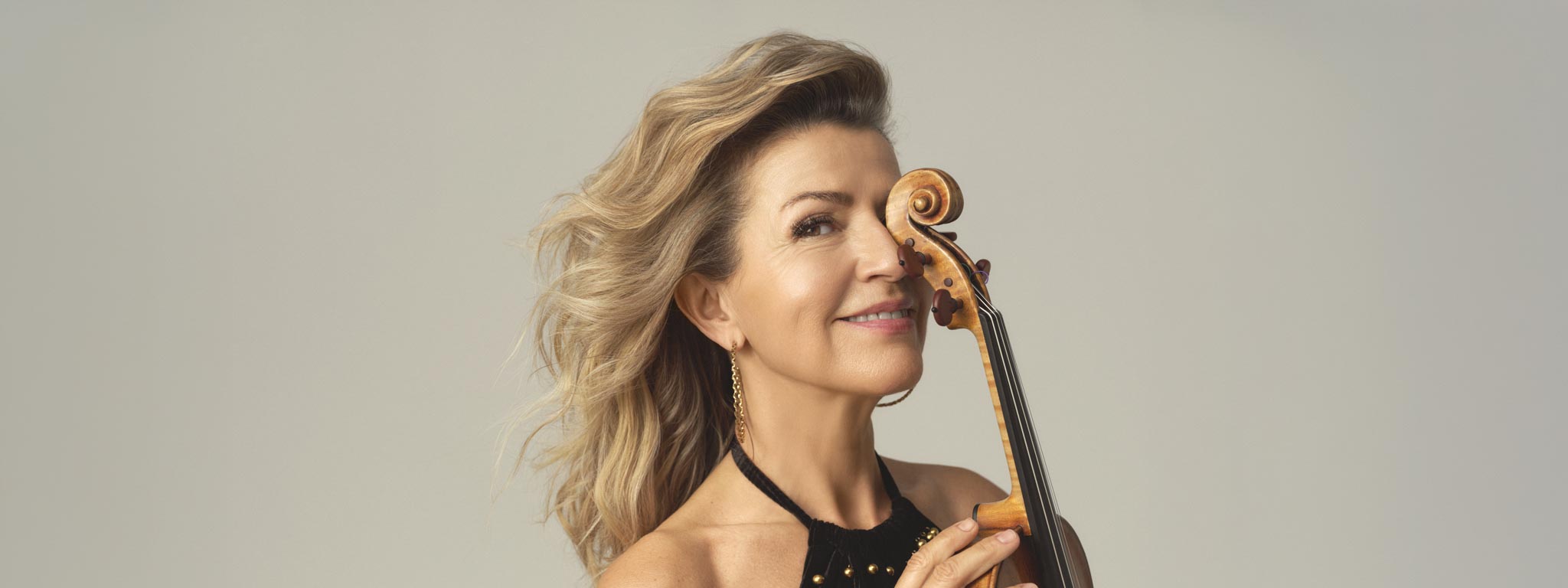
- Anne-Sophie Mutter – violin
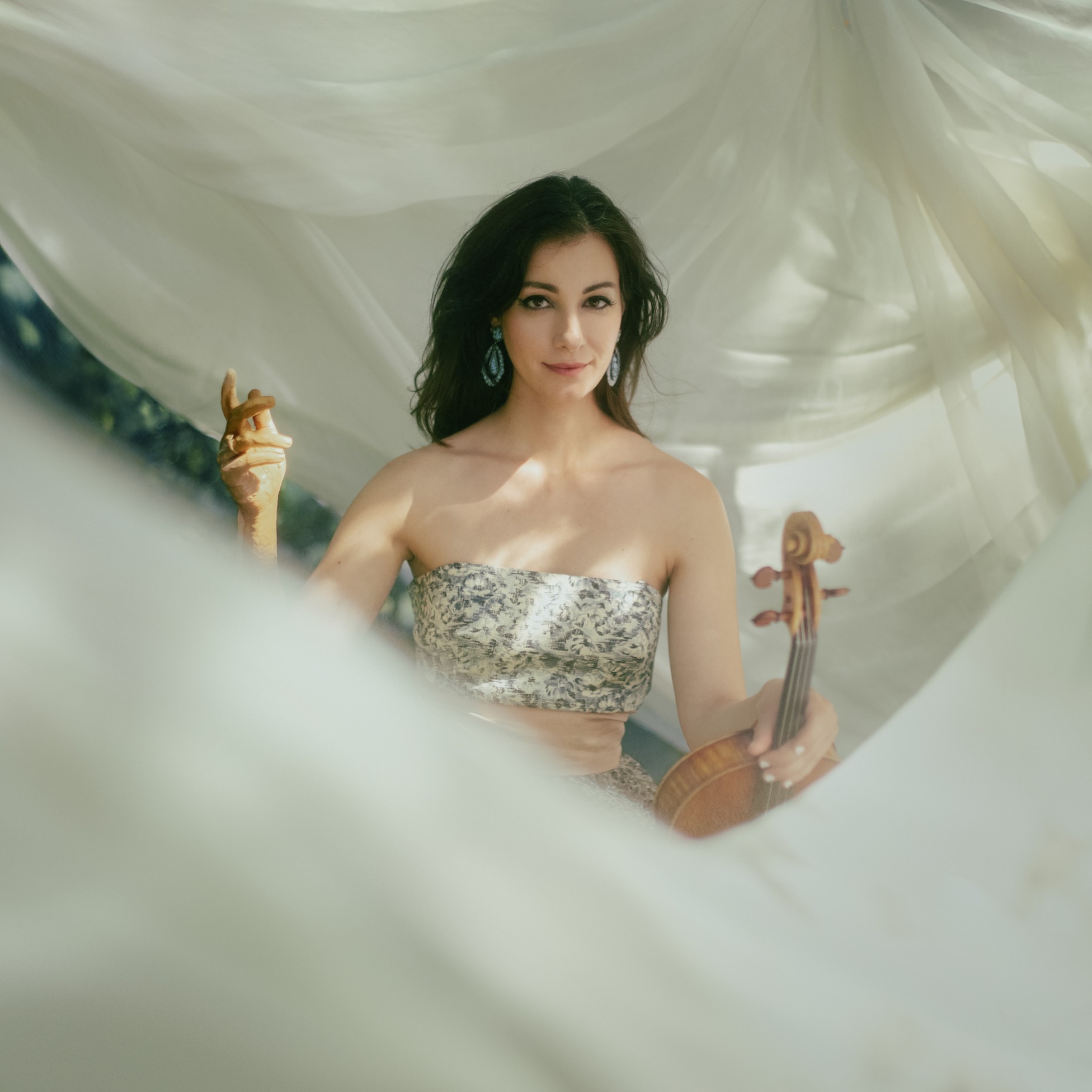
- Muriel Razavi – viola
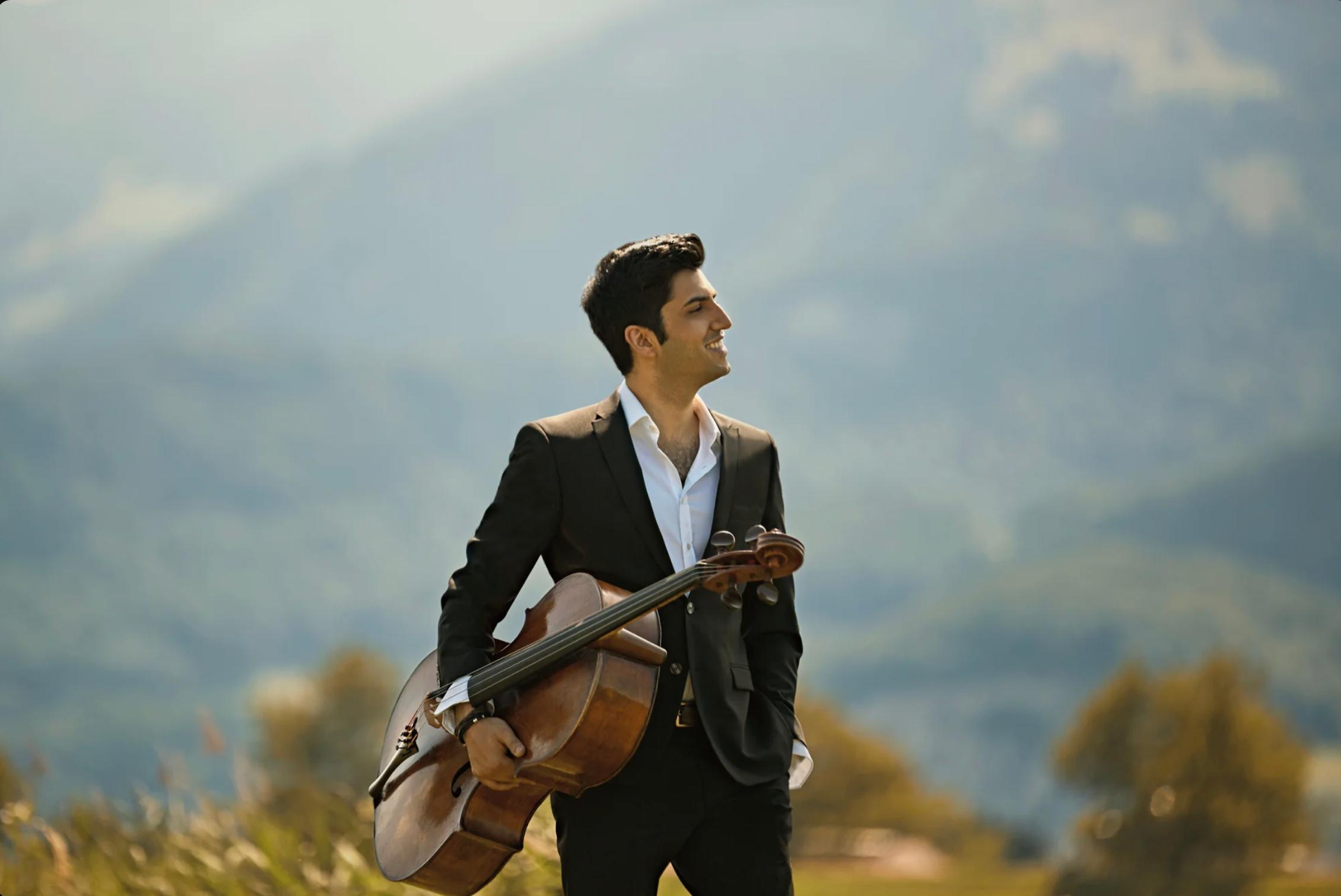
- Kian Soltani – violoncello
The music performed by the Danish National Symphony Orchestra, conducted by Fabio Luisi, brings together Greek mythology, Persian inspiration and the intense emotions of Tchaikovsky’s final symphony, whose programme remains the subject of much speculation to this day.
The myth of Helios
The Helios Overture by Danish composer Carl Nielsen (1865–1931), whose symphonies were much admired by Leonard Bernstein, was written in Athens at the beginning of the 20th century. While the composer’s wife Anne Marie copied bas-reliefs at the Acropolis, her husband, enchanted by the myth of the sun god Helios, created a symphonic picture in the Greek capital, to which he added the following description: “Stillness and darkness – The sun rises with a joyous song of praise – It wanders its golden way – and sinks quietly into the sea.”
The story of the Persian hero Arash
While the Helios Overture is steeped in the radiance of the sun as it ascends over the Aegean Sea, the piece by Iranian composer Golfam Khayam (1983) reflects the musical legacy of the Middle East and Persia. The triple concerto Arch of Light for violin, viola, cello and orchestra, commissioned by violinist Anne-Sophie Mutter, was inspired by an ancient Persian myth about Arash the Archer, who put his entire life force into a single arrow that would bring an end to the sixty-year war between Persia and Turan. The concerto movements do not have titles, however, they are preceded by excerpts from texts by some of the most important male and female representatives of 20th century Persian literature. In 2022 Khayam was awarded the prestigious Arvo Pärt scholarship and a year later attracted the attention of the international music community with her piece I am not a tale to be told, commissioned by Barbara Hannigan. Among others, her triple concerto is a response to the recent bloody suppression of revolutionary efforts in Iran. “At its heart, this concerto is an invitation. Like the poems that inspire it, it calls upon us to continue seeking light, to remain united in hope, and to persist even when darkness seems overwhelming. It is dedicated to those whose voices have been silenced, to those who continue to strive for freedom and peace, and to the enduring human capacity to rise again,” says Khayam. After a long absence of seventeen years violinist Anne-Sophie Mutter returns to the Prague Spring podium, teaming up with American-Iranian violist Muriel Razavi and Austrian-Iranian cellist Kian Soltani. This performance will mark the work’s Czech premiere.
Tchaikovsky’s Sixth
Does this work express “passionate suffering”, or was the composer auguring his imminent death, which occurred under mysterious circumstances a mere nine days after the premiere? The debate rages on and the mystery remains unsolved. The only thing we know for sure is that, when Pyotr Ilyich Tchaikovsky (1840–1893) considered the programme of his sixth symphony, the Pathétique, during his travels in the winter of 1893, he “often wept bitterly”. “I love it as I have never loved any other of my musical offspring,” he wrote in a letter to his nephew dated 14 August 1893. The unmistakable melodies from the Sixth, with its celebrated Adagio and the waltz in 5/4 time, were adopted for the songs of several popular bands, among them the Glenn Miller Orchestra and The Platters; we will encounter them on the big screen as well, from Martin Scorsese’s The Aviator to the animated series The Ren & Stimpy Show. The DNSO and its Chief Conductor Fabio Luisi will round off their Prague Spring concert in grand style with one of the most famous yet also most enigmatic symphonies ever written.