Hrůša & Bamberger Symphoniker: Beethoven 1, 2 & 3
Discover Ludwig van Beethoven through performances of his complete symphonies and get a Beethoven pass offering a range of experiences. The first evening will feature Symphonies Nos. 1 and 2, and the most popular symphony of all time, the Eroica!
Programme
- Ludwig van Beethoven: Symfonie č. 1 C dur op. 21
- Ludwig van Beethoven: Symphony No. 2 in D major Op. 36
- Ludwig van Beethoven: Symphony No. 3 in E flat major Op. 55 “Eroica”
Performers
- Bamberger Symphoniker
- Jakub Hrůša – conductor
#MeetBeethovenLive
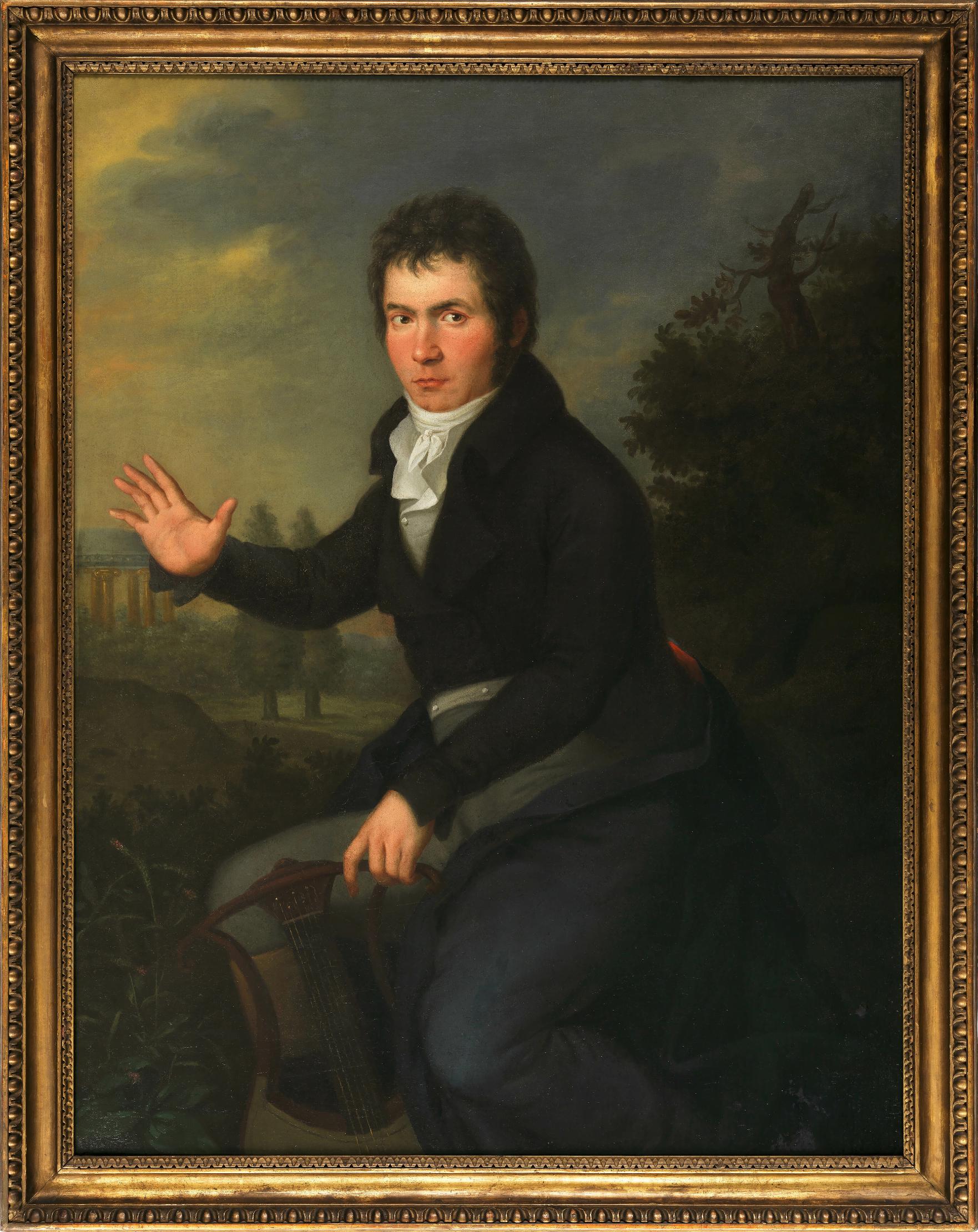
1800 | Symphony No. 1
I waited thirty years before writing my first symphony. And I am glad that I did! The premiere in Vienna’s Burgtheater caused a sensation. Allow me to quote briefly from Allgemeine musikalische Zeitung: “This proved to be the most interesting concert we have had in a long time […] and at the end we had a symphony of [Beethoven’s] own composition that displayed great artistry, innovation, and a wealth of ideas.” They were somewhat critical of my apparent overuse of the wind instruments, but the future has shown who was right. And now for the most important part: The third movement still bore the title Menuetto yet, for some time, my mind had been conjuring up new, revolutionary ideas for a Scherzo!
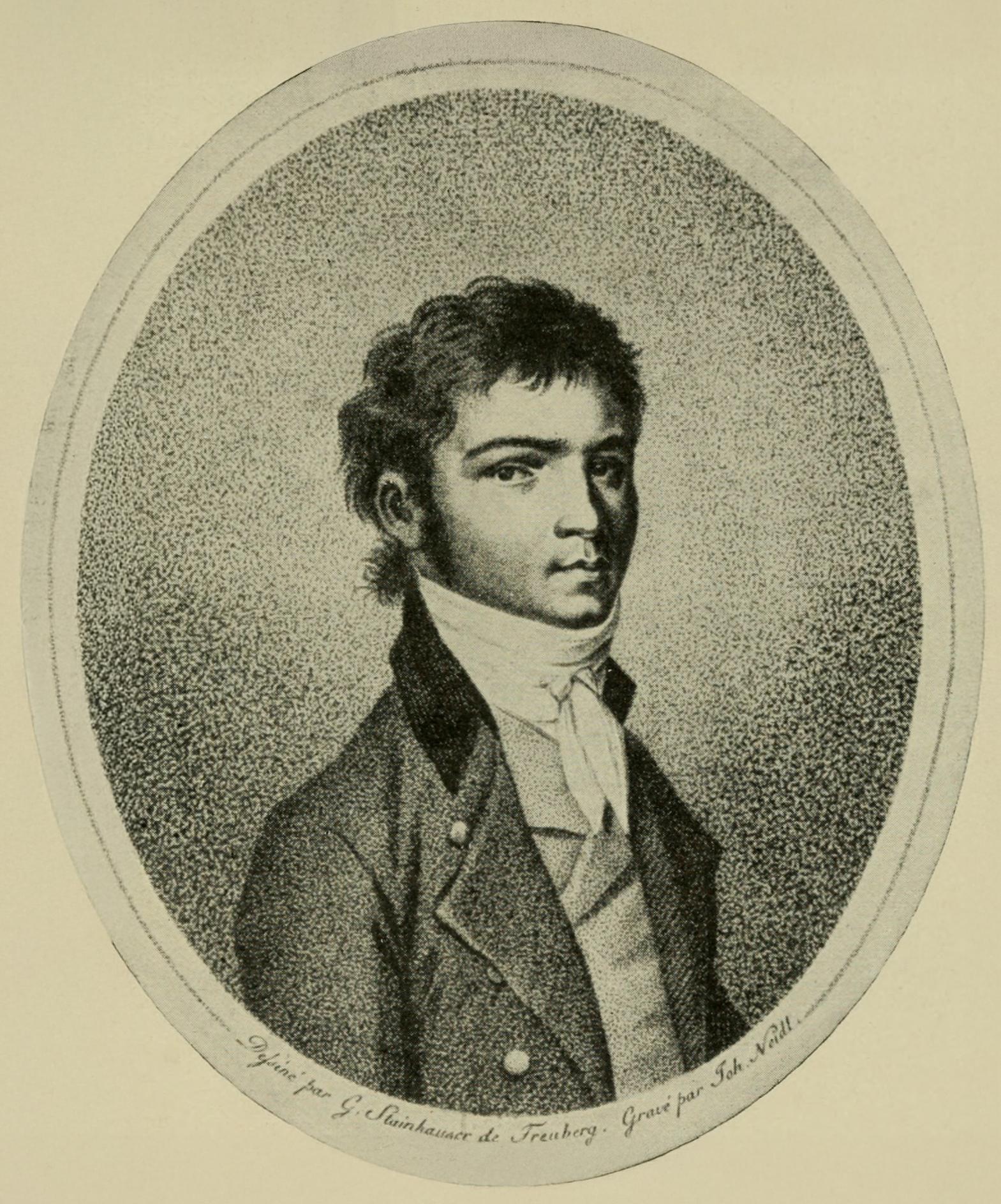
1803 | Symphony No. 2
My Second brims with energy and optimism although – I have to confess – I wrote it during one of the darkest periods of my life. That summer of 1802 I moved to Heiligenstadt, a small town just outside Vienna, in a desperate attempt to preserve at least some of my rapidly deteriorating hearing. The letter I wrote to my brothers Carl and Johann on the 6th of October still burns in my hands. A letter I ultimately never sent, in which I conveyed to the world my immense suffering (known as the Heiligenstadt Testament). “Oh, you men who think or say that I am malevolent, stubborn or misanthropic, how greatly do you wrong me. You do not know the secret cause which makes me seem that way to you,” such was the torrent of despair that poured out of me. I could not just say to the world: “Speak louder, shout, for I am deaf!”
The premiere of the Second at the Theater an der Wien in April 1803 caused an even greater stir than my First. A Viennese scandal sheet with the lofty designation Zeitung für die elegante Welt described it as “a hideously wounded, writhing dragon that refuses to die”. Oh, how aptly it captured my circumstances at the time! However, I refused to be consumed by despair. In the Second I celebrate life.
1805 | Symphony No. 3
I made the decision to strike out on a completely new path in my music, and my Third Symphony “Eroica” reflects all my resolve at that time. Oh, just the thought of it! One bewildered audience member at the premiere called out: “I will pay another kreuzer if the thing will only stop!” It was quite a musical sensation! Captivated by Napoleon and ideals of freedom and equality, I initially called this symphony Bonaparte. But then I felt such fury when, in 1804, this conceited egotist declared himself emperor! “He is nothing but an ordinary mortal! He will trample all the rights of men underfoot to indulge his ambition,” I raged at the time, tearing off the title page of the score, along with its dedication (the first edition from 1806 already contains a dedication to Joseph Franz Maximilian, 7th Prince of Lobkowitz, one of Beethoven’s most loyal patrons). I subsequently gave my majestic work the name Eroica and inscribed the following words on the title page: “Heroic Symphony, composed to celebrate the memory of a great man”. In the last movement I quote one of the main themes from my ballet The Creatures of Prometheus, a Titan who stole fire from the gods and gave it to humanity. Yes, there was no turning back for me now.
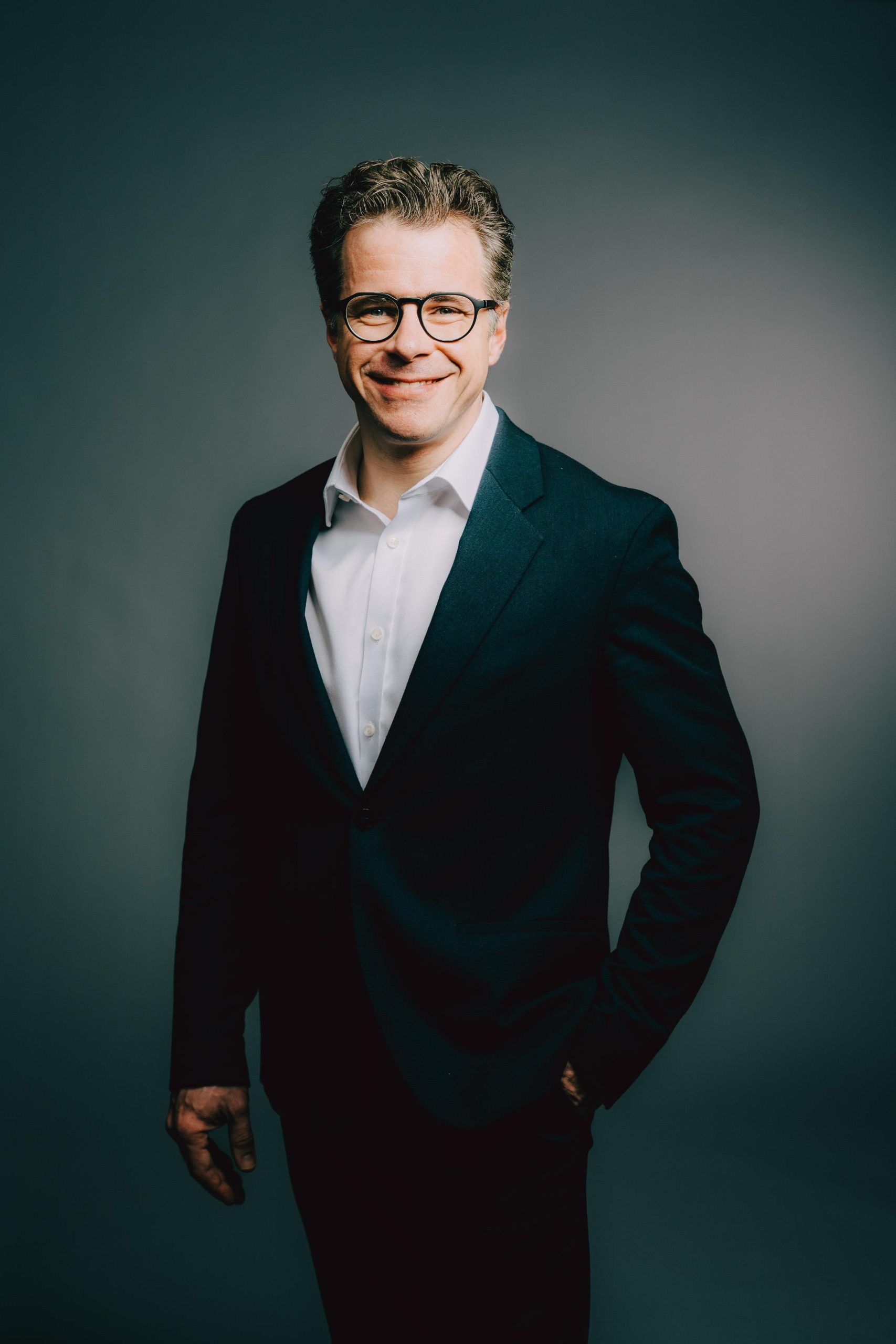
Interesting facts
- In 2026 readers of BBC Music Magazine voted the Eroica the best symphony of all time. Moreover five of Beethoven’s symphonies were included among the top twenty-seven symphonic works: the Third, Fifth, Sixth, Seventh and the Ninth.
- Music from the first movement of the Eroica is used in the action thriller Mission: Impossible – Rogue Nation.
Conductor Michael Tilson-Thomas on Beethoven’s Eroica from his series Keeping Score
“The symphony is in four movements. The first movement is about life. It’s about youth, hope, joy, frustration, anger, confusion, celebration and, above all, energy. The second movement concerns death. Death with all its public and personal implications. What has died? A hero or hope or innocence or all the above? And how can we make sense of this? And how can we go on after this? That’s the question the third movement answers, because it takes up the future and the joy of creativity. And then the fourth movement is a shameless show-off piece. It’s a kind of musical decathlon based on an absolutely inconsequential bit of musical fluff. But what Beethoven does with this theme is overwhelming, amazing on every level. And then, just before he’s done, he gives us a brief glimpse of paradise, a deeply felt, sorrowful confession of who he really is. And then a kind of slam-bam, thank you, ma’am. That’s all, folks!”
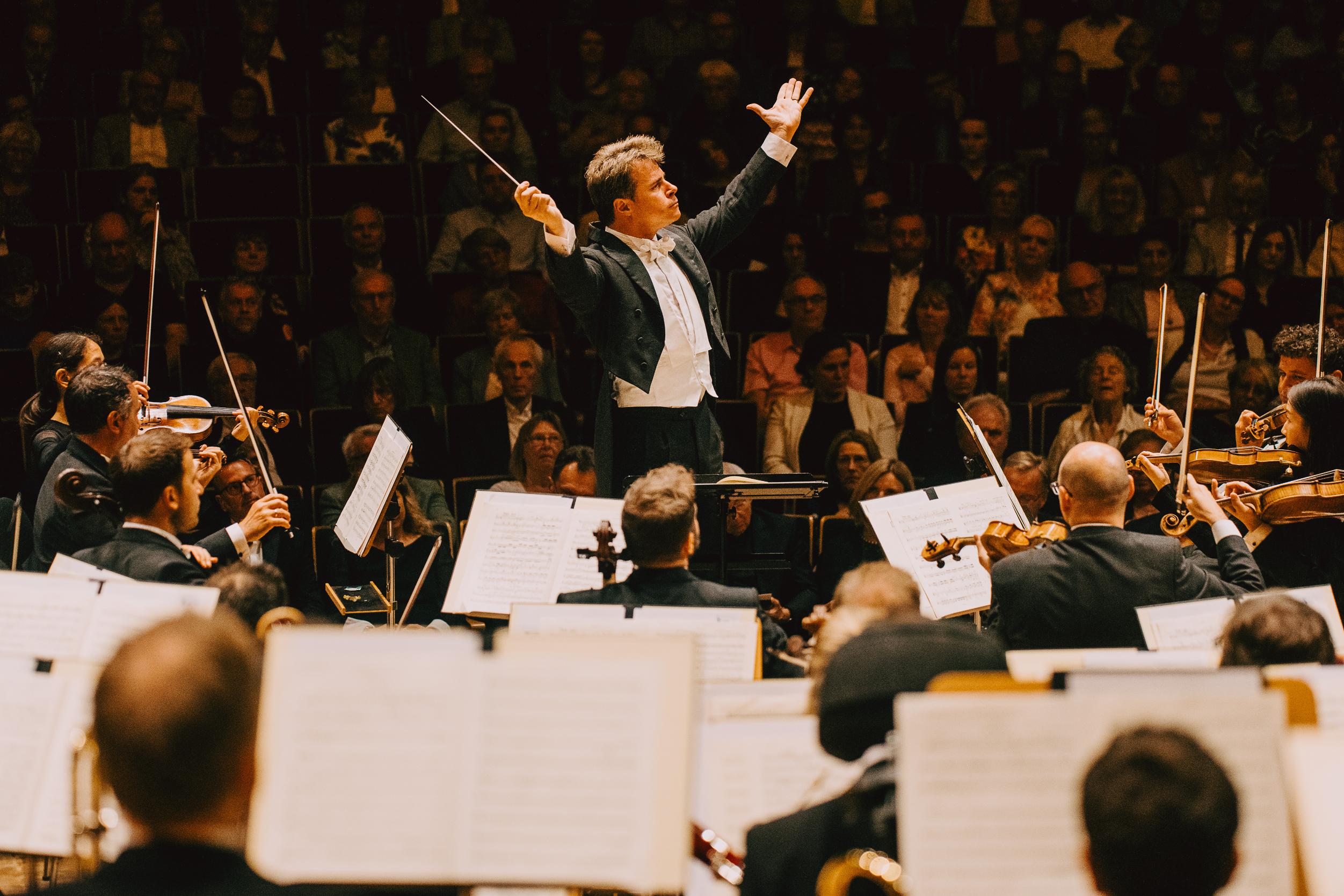
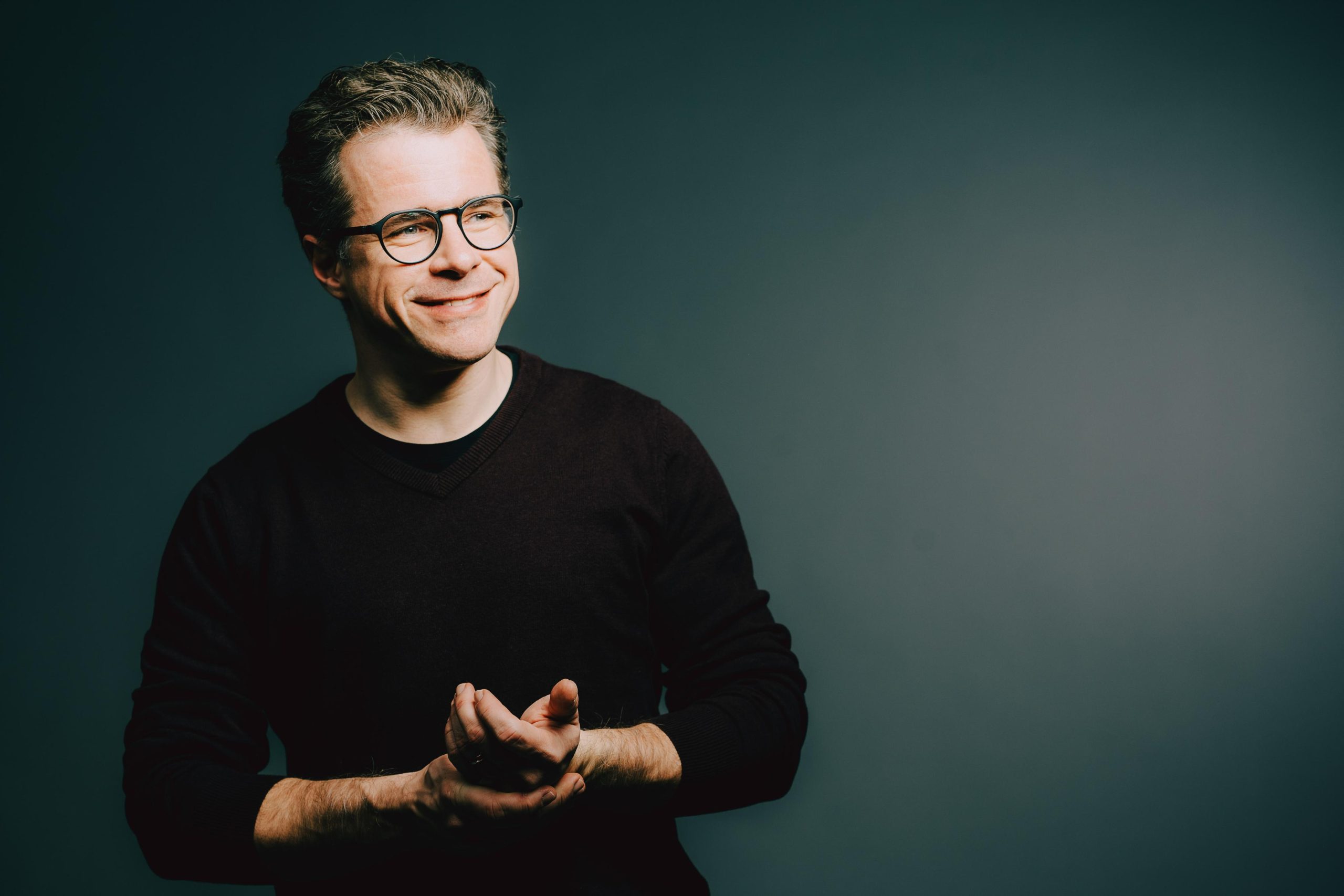
The 200th anniversary of the death of Ludwig van Beethoven (1770–1827) provides the Prague Spring with an opportunity to commemorate the wonderful oeuvre of this native of Bonn. The festival projects for 2027 are dominated by performances of the complete Beethoven symphonies by the Bamberg Symphony and conductor Jakub Hrůša who, with this project, rounds off his tenth season at the helm of this first-class orchestra. “Each of the nine symphonies opens a new musical world and expands the possibilities of the symphonic form. This is the central idea behind our programme: to make audible the arc of a lifelong artistic journey. Within a single concert – and even more so across the complete cycle – we can experience Beethoven’s extraordinary creative development and the constant reinvention of his musical language. We encounter not only the composer of heroic struggle, but also one of the greatest lyrical voices in symphonic music: a composer of tenderness, truthfulness and immense vitality, who embraced every aspect of life. For both musicians and audiences, it is an overwhelming experience to follow this journey together and discover the richness, contrasts and originality of each symphony,” Jakub Hrůša tells us.
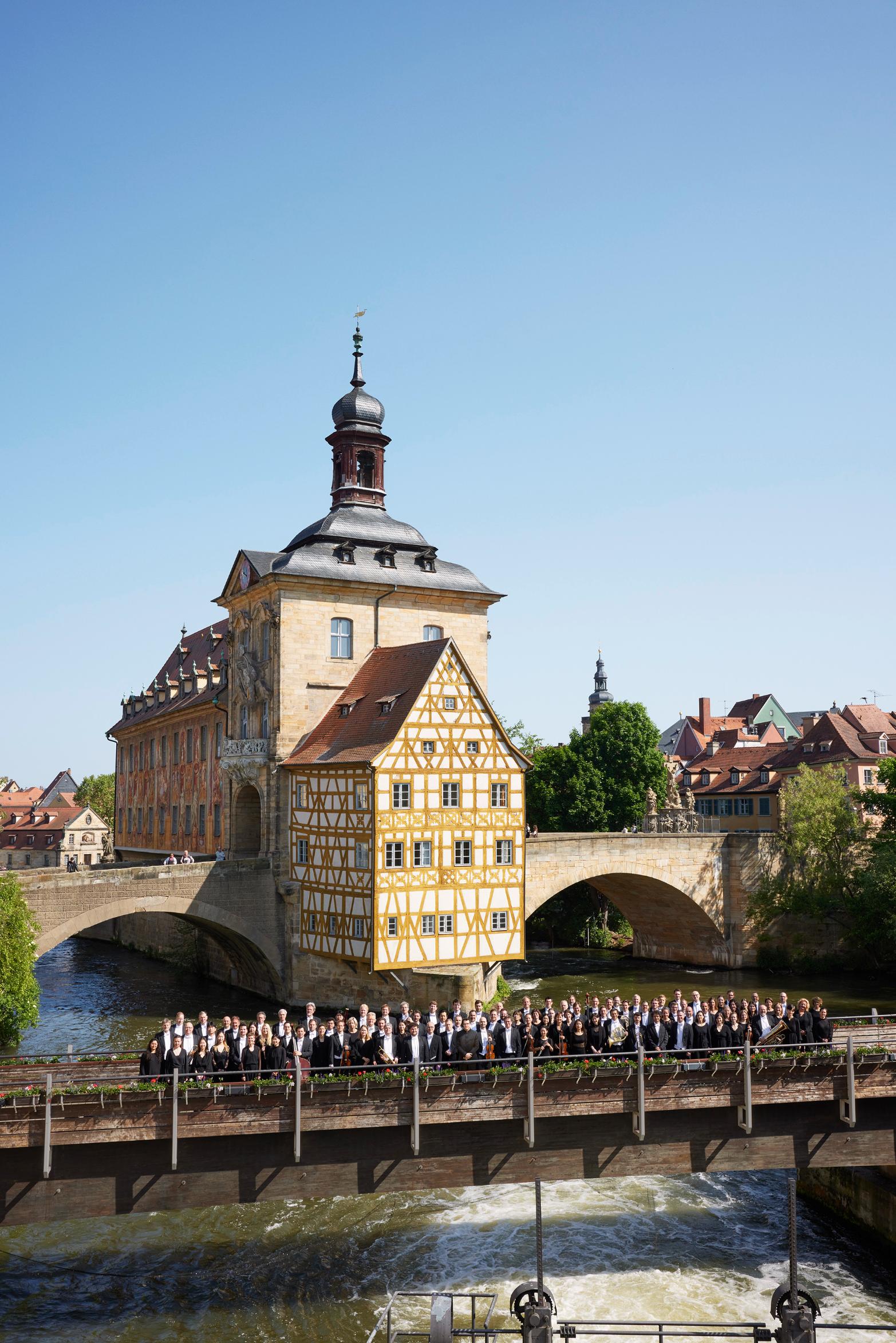
Bamberg Symphony – Prague Spring 2027 Resident Orchestra
It is the 20th of March, 1946, shortly after eight o’clock in the evening. A tense silence prevails in Bamberg’s Zentralsaal as the newly founded ensemble plays the first few notes. Beethoven is on the programme. The Bamberg Symphony enters the concert arena through the music of arguably the greatest symphonist in history, and it is in his oeuvre that the orchestra finds its deep artistic roots…
Based in the picturesque Bavarian town of Bamberg, a UNESCO World Heritage Site, the orchestra has given 8,000 concerts in more than 500 cities in 64 countries and is thus one of the most frequently travelled symphonic ensembles in the world. They briefly define their mission as “resonating worldwide”. Their numerous recordings, released on such prestigious labels as Deutsche Grammophon and accentus music, have won a series of international awards, among them the German Record Critics’ Award 2021 and three International Classical Music Awards (2022, 2023 and 2025). The ensemble’s in-depth study of Beethoven’s music continually draws on the orchestra’s entire eighty-year history, supported by the endeavours of Joseph Keilberth, Sir Georg Solti, Eugen Jochum and Honorary Conductor of the Bamberg Symphony Herbert Blomstedt. Today this legacy is further developed in close collaboration with Chief Conductor Jakub Hrůša. Under his direction Beethoven’s cycle represents not only a tribute to this great composer, but also a return to the orchestra’s own history. Beethoven is and remains the foundation of the Bamberg Symphony’s musical identity.
Beethoven’s symphonies according to Jakub Hrůša
17. 5. Rudolfinum
Symphony No. 1: To endure and to transcend.
Symphony No. 2: To expand and to exhilarate.
Symphony No. 3: To invoke and to celebrate.
18. 5. Rudolfinum
Symphony No. 4: To refresh and to play.
Symphony No. 5: To struggle and to triumph.
19. 5. Rudolfinum
Symphony No. 6: To contemplate and to melt away.
Symphony No. 7: To dance and to rejoice.
25. 5. Rudolfinum
Symphony No. 8: To reflect and to refine.
Symphony No. 9: To tear down and to rebuild. To unite profoundly.
Other concerts as part of the Bamberger Symphoniker’s orchestra residency
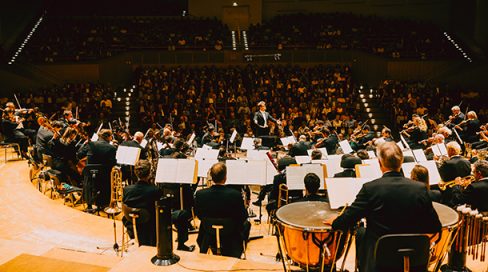
Hrůša & Bamberger Symphoniker: Beethoven 4 & 5
Discover Ludwig van Beethoven through performances of the complete symphonies and get a Beethoven pass featuring a range of experiences. On the second evening, Fate will be performed, paired with the charming Symphony No. 4.
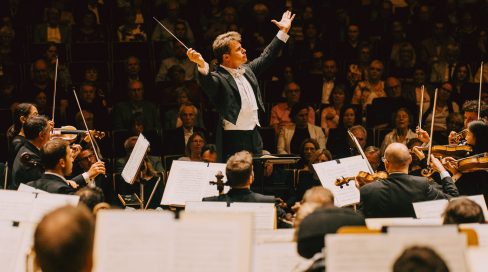
Hrůša & Bamberger Symphoniker: Beethoven 6 & 7
Discover Ludwig van Beethoven through performances of his complete symphonies and get a Beethoven pass offering a range of experiences. On the third evening, you’ll be enchanted by the natural scenery of the Pastoral and the radiant Apotheosis of Dance with its immortal Allegretto!
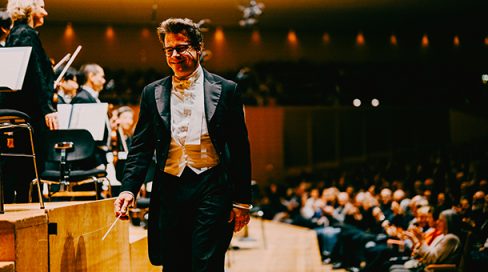
Hrůša & Bamberger Symphoniker: Beethoven 8 & 9
Discover Ludwig van Beethoven through performances of his complete symphonies and get a Beethoven pass offering a range of experiences. We’ll bid farewell to the ticking metronome in Symphony No. 8 and to the Ninth with the Ode to Joy!